Food security and nutrition tracking have entered a new era, powered by innovative mobile technology that puts personalized dietary management directly in your hands. These digital tools are transforming how millions approach meal planning, calorie counting, and overall wellness.

The convergence of artificial intelligence, extensive food databases, and user-friendly interfaces has created a powerful ecosystem of nutrition apps that cater to diverse dietary needs. From managing chronic conditions to optimizing athletic performance, these applications offer unprecedented insights into what we eat and how it affects our bodies.
📱 The Digital Revolution in Nutritional Awareness
Mobile nutrition apps have fundamentally changed our relationship with food. Unlike traditional paper diaries or generic calorie charts, modern applications provide real-time feedback, comprehensive nutritional breakdowns, and personalized recommendations based on individual health goals. This technological advancement addresses a critical global challenge: helping people make informed dietary choices in an environment saturated with processed foods and conflicting nutritional information.
The statistics are compelling. Research indicates that consistent use of nutrition tracking apps can lead to significant improvements in dietary habits, weight management, and overall health outcomes. Users who regularly log their meals show increased awareness of portion sizes, macronutrient distribution, and hidden calories that often sabotage health goals.
🎯 MyFitnessPal: The Comprehensive Nutrition Powerhouse
Standing as one of the most recognized names in nutrition tracking, MyFitnessPal boasts an extensive database containing over 14 million foods. This comprehensive catalog includes restaurant dishes, branded products, and homemade recipes, making it incredibly versatile for diverse eating patterns.
The app’s barcode scanning feature revolutionizes grocery shopping and meal logging. Users can instantly capture nutritional information by simply scanning product barcodes, eliminating tedious manual entry. The platform also connects with numerous fitness trackers and health apps, creating a holistic view of energy intake versus expenditure.
What sets MyFitnessPal apart is its community-driven approach. Users contribute recipes, share success stories, and provide mutual support through forums and friend connections. The premium version unlocks advanced features including macronutrient goals by meal, food analysis reports, and priority customer support.
🥗 Cronometer: Precision Nutrition for the Detail-Oriented
For those seeking exceptional accuracy and micronutrient tracking, Cronometer represents the gold standard. This application goes beyond basic calorie counting to monitor over 82 micronutrients, providing insights into vitamin, mineral, amino acid, and fatty acid intake that most competitors overlook.
Cronometer’s database prioritizes verified, high-quality nutrition data from sources like USDA, NCCDB, and nutrition labels. This commitment to accuracy makes it particularly valuable for individuals managing specific health conditions, athletes fine-tuning performance nutrition, or anyone pursuing optimal nutritional balance.
The app’s biometric tracking capabilities allow users to monitor weight, body measurements, blood pressure, blood glucose, and numerous other health markers. This comprehensive approach creates a complete health profile that reveals correlations between dietary choices and physical outcomes over time.
🌿 Specialized Apps for Dietary Restrictions and Health Conditions
The nutrition app landscape has evolved to serve increasingly specialized needs. Individuals managing diabetes, celiac disease, food allergies, or following specific dietary philosophies now have dedicated tools designed around their unique requirements.
Managing Diabetes with Precision
MySugr transforms diabetes management from a burdensome chore into an engaging, manageable routine. The app features a friendly monster mascot that represents diabetes itself, gamifying the tracking process to improve adherence. Users log blood glucose readings, carbohydrate intake, medication, and physical activity in an intuitive interface.
The application provides estimated HbA1c values, generates comprehensive reports for healthcare providers, and offers personalized insights that help users understand patterns in their glucose management. Integration with continuous glucose monitors and insulin pumps creates a seamless diabetes management ecosystem.
Navigating Food Allergies and Intolerances
For individuals with food allergies or intolerances, scanning ingredient lists becomes a critical safety measure. Apps like Spoonful and Fig specifically address this challenge by quickly identifying problematic ingredients and suggesting safe alternatives.
These applications maintain updated databases of allergens and common irritants, flagging hidden sources that might appear under unfamiliar chemical names. Users can customize their profiles to track multiple allergies simultaneously, creating a personalized safety net for grocery shopping and dining out.
💪 Fitness-Focused Nutrition Apps
Athletes and fitness enthusiasts require specialized nutritional strategies that support training demands and recovery. Several apps have emerged specifically targeting this active demographic with features designed to optimize performance through strategic nutrition.
Lose It! – Balancing Weight Goals with Activity
Lose It! combines comprehensive food tracking with an intuitive interface and motivational features. The app’s Snap It feature uses image recognition technology to log meals from photographs, dramatically reducing the friction of traditional manual logging.
The platform automatically adjusts calorie budgets based on logged exercise, creating a dynamic energy balance equation. Premium subscribers gain access to meal planning tools, macronutrient planning, and pattern recognition that identifies habits contributing to success or setbacks.
Recovery and Nutrition Timing
MyPlate by Livestrong emphasizes the timing of nutrition relative to workouts, helping athletes optimize pre-workout fueling, intra-workout hydration, and post-workout recovery. The app provides specific recommendations based on activity type, intensity, and duration.
Educational content within these apps helps users understand concepts like glycogen replenishment, protein synthesis windows, and hydration strategies. This knowledge empowers informed decision-making rather than blind adherence to generic recommendations.
🌍 Addressing Food Security Through Technology
Beyond individual health optimization, nutrition tracking apps contribute to broader food security initiatives. By highlighting nutritional gaps and dietary patterns, these tools help organizations identify vulnerable populations and design targeted interventions.
Some innovative platforms connect users with local food banks, surplus food programs, and community gardens. This integration between personal nutrition tracking and food access resources creates pathways for individuals facing food insecurity to improve their nutritional status despite economic constraints.
Meal Planning on a Budget
Apps like Mealime focus specifically on making nutritious eating accessible and affordable. The platform generates personalized meal plans based on dietary preferences, household size, and budget constraints, then produces organized shopping lists that minimize food waste.
Users can exclude specific ingredients they already have at home, preventing duplicate purchases. The recipes emphasize simple preparation methods with minimal specialized equipment, removing common barriers to home cooking. This democratization of nutrition knowledge represents a significant step toward food security for economically disadvantaged populations.
🔬 The Science Behind Effective Nutrition Tracking
Research consistently demonstrates that self-monitoring is among the most powerful predictors of successful behavior change. The simple act of recording food intake increases mindfulness around eating decisions, portion sizes, and emotional eating patterns.
Studies published in obesity research journals show that participants who consistently track their meals lose significantly more weight than those who don’t, regardless of the specific dietary approach followed. The accountability and awareness created by logging appears more important than the particular nutritional philosophy guiding food choices.
Behavioral Psychology and App Design
Successful nutrition apps incorporate principles from behavioral psychology to enhance long-term adherence. Features like streak counters, achievement badges, social sharing, and progress visualizations tap into intrinsic motivation and create positive reinforcement loops.
The most effective applications balance comprehensive data collection with user-friendly interfaces that don’t overwhelm. Progressive disclosure strategies reveal advanced features gradually, preventing new users from abandoning the app due to perceived complexity.
🔐 Privacy Considerations in Health Data Management
As nutrition apps collect increasingly detailed personal information, privacy and data security become paramount concerns. Users share sensitive health conditions, body measurements, eating patterns, and sometimes location data when logging restaurant meals.
Reputable applications implement robust encryption, transparent privacy policies, and give users control over data sharing. Before committing to any nutrition tracking platform, individuals should review privacy terms, understand how information might be used or shared, and consider whether premium versions offer enhanced privacy protections.
Recent regulations like GDPR in Europe and CCPA in California provide legal frameworks protecting health data, but users must remain vigilant about permissions granted and information shared within these platforms.
🚀 Emerging Technologies Shaping the Future
The next generation of nutrition apps leverages cutting-edge technologies that promise even greater accuracy and personalization. Artificial intelligence algorithms analyze eating patterns to predict nutritional deficiencies before symptoms appear, while machine learning improves food recognition accuracy with each logged meal.
Integration with Wearable Technology
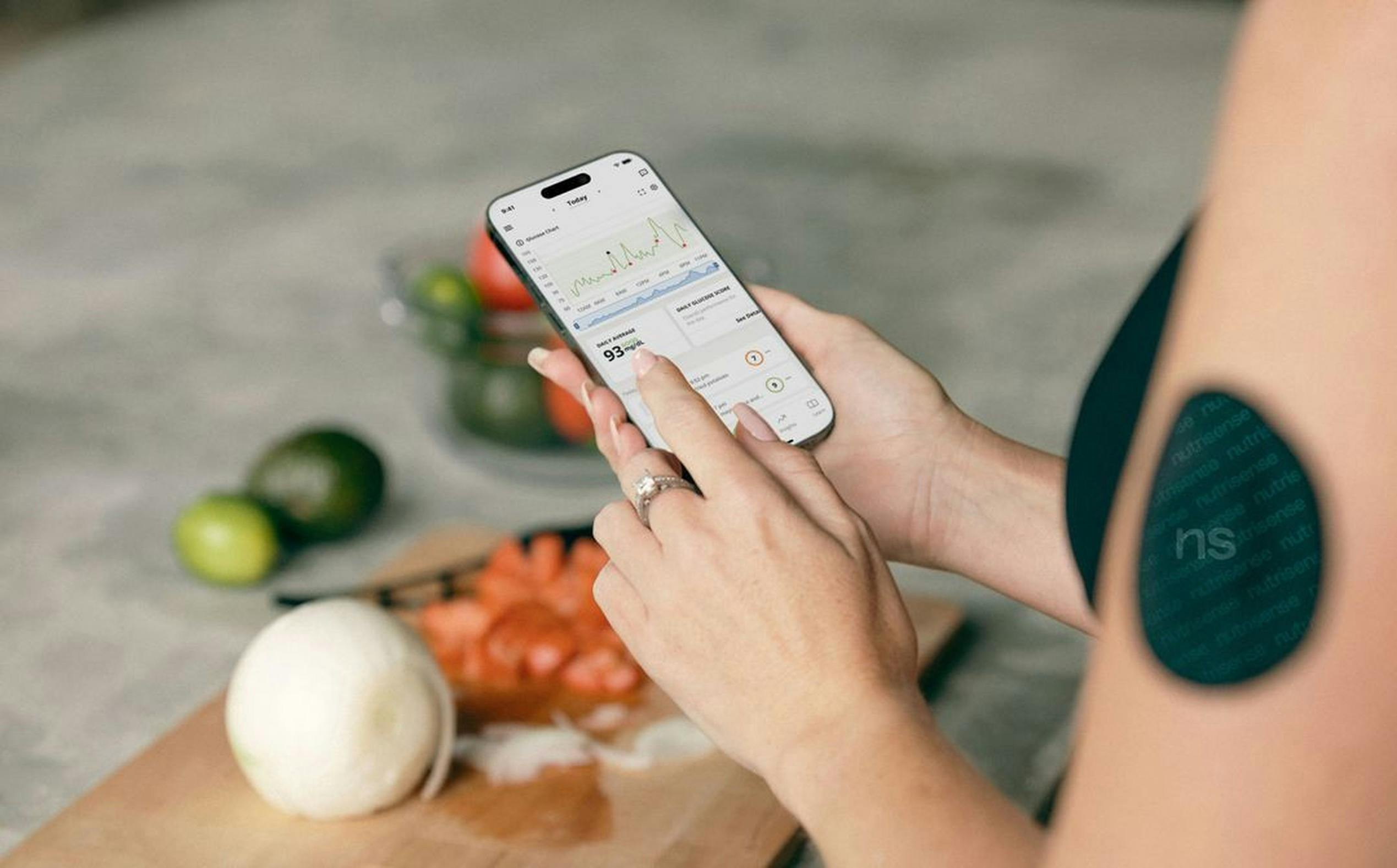
Smartwatches and fitness trackers increasingly incorporate nutritional guidance directly into their ecosystems. Continuous glucose monitors that don’t require finger pricks are becoming more accessible, providing real-time feedback on how specific foods affect individual blood sugar responses.
This personalized nutrition approach, sometimes called nutrigenomics, recognizes that identical meals produce different metabolic responses in different individuals. Future applications will likely incorporate genetic testing results, microbiome analysis, and continuous biomarker monitoring to deliver truly personalized dietary recommendations.
Augmented Reality and Smart Kitchen Integration
Experimental features using augmented reality allow users to point their phone cameras at meals and receive instant portion size estimates and nutritional breakdowns. Smart kitchen appliances that automatically log ingredients used during cooking are beginning to enter consumer markets.
These innovations promise to eliminate the primary barrier to consistent tracking: the time and effort required for manual logging. As friction decreases, adherence rates should improve, translating to better health outcomes across populations.
💡 Maximizing Success with Nutrition Tracking Apps
Technology provides powerful tools, but effective use requires strategy and commitment. Begin by selecting an application aligned with your specific goals, technical comfort level, and dietary approach. Spend time during the initial setup to input accurate baseline data and configure preferences.
Consistency trumps perfection. Tracking every meal with 100% accuracy is less important than maintaining a regular logging habit that provides general awareness of eating patterns. Most experts recommend committing to at least three weeks of consistent tracking to establish the habit and begin seeing meaningful patterns.
Practical Implementation Tips
- Log meals immediately after eating rather than trying to remember details hours later
- Use the app’s meal copying or frequent foods features for items you eat regularly
- Pre-log planned meals to stay accountable and make adjustments before eating
- Review weekly summaries to identify patterns rather than obsessing over daily fluctuations
- Join app communities for motivation, recipe ideas, and practical troubleshooting advice
- Set reminders during typical meal times until logging becomes automatic
- Focus on progress rather than perfection, giving yourself grace during challenging periods
🌟 Transforming Knowledge Into Lasting Change
The ultimate value of nutrition tracking apps lies not in the data collected but in the behavioral insights and habit changes they facilitate. These tools illuminate the often-invisible connection between food choices and how we feel, perform, and progress toward health goals.
For individuals managing chronic conditions, these applications provide unprecedented control and understanding. For those pursuing fitness goals, they offer precision previously available only to elite athletes with dedicated nutritionists. For anyone seeking to improve their relationship with food, they create awareness without judgment.
The revolution in food security and nutrition tracking represents more than technological advancement. It signifies a democratization of nutritional knowledge and personalized health management. As these tools continue evolving, becoming more accurate, accessible, and integrated with other health technologies, they promise to play an increasingly central role in preventive healthcare and wellness optimization.
The journey toward healthier living begins with awareness. Today’s nutrition tracking apps provide that awareness with unprecedented detail, convenience, and actionability. Whether your goal involves weight management, athletic performance, disease management, or simply understanding your body better, there’s likely an application designed specifically for your needs. The question isn’t whether to use these tools, but rather which one will become your partner in the pursuit of optimal health and nutrition.