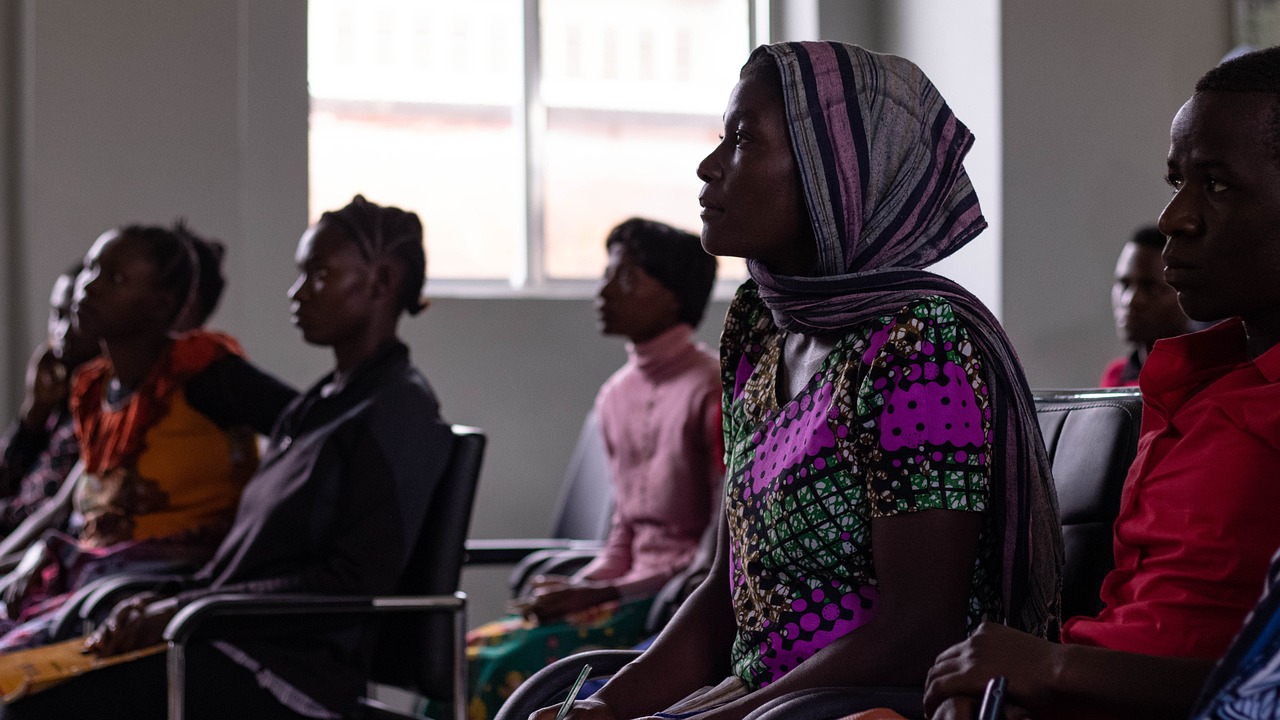
Gender equality is not just a fundamental human right—it is a cornerstone for building sustainable, inclusive communities that thrive economically and socially in our interconnected world.

As we navigate the complexities of the 21st century, the imperative to achieve gender equality and empower all individuals regardless of gender has never been more critical. This transformation requires concerted efforts from governments, businesses, civil society, and individuals to dismantle systemic barriers, challenge outdated norms, and create opportunities that allow everyone to reach their full potential. The journey toward gender equality is intrinsically linked to achieving the United Nations Sustainable Development Goals and ensuring that no one is left behind in our collective progress.
🌍 The Global Landscape of Gender Inequality Today
Despite significant progress over the past decades, gender disparities persist across every region and sector worldwide. Women and girls continue to face discrimination in education, employment, healthcare, and political representation. According to recent global data, women earn approximately 77 cents for every dollar earned by men, and they hold only about 25% of parliamentary seats globally. These statistics reveal deep-rooted inequalities that limit human potential and economic growth.
The COVID-19 pandemic exacerbated existing gender gaps, pushing millions of women out of the workforce due to increased caregiving responsibilities and disproportionate job losses in female-dominated sectors. This setback demonstrated how fragile progress can be without systemic change and robust support structures. The pandemic also highlighted the essential nature of care work, which remains undervalued and predominantly performed by women without adequate recognition or compensation.
In many parts of the world, harmful practices such as child marriage, female genital mutilation, and gender-based violence continue to threaten the lives and well-being of women and girls. Education access remains unequal, with girls in developing countries facing significant barriers to completing their schooling. These challenges are compounded by intersecting forms of discrimination based on race, ethnicity, disability, sexual orientation, and socioeconomic status.
💼 Economic Empowerment as a Catalyst for Change
Economic empowerment stands as one of the most powerful tools for achieving gender equality. When women have equal access to economic opportunities, entire communities benefit through increased household income, improved child nutrition and education, and stronger economic growth. Research consistently shows that closing gender gaps in labor force participation could add trillions of dollars to global GDP.
Creating pathways to economic empowerment requires addressing multiple barriers simultaneously. Women need access to quality education and skills training that prepare them for emerging job markets, including STEM fields where they remain significantly underrepresented. Financial inclusion is equally critical—access to credit, banking services, and entrepreneurship support enables women to start and grow businesses that generate wealth and employment.
Breaking the Glass Ceiling in Corporate Leadership
Corporate boardrooms and executive suites remain stubbornly male-dominated despite evidence that diverse leadership teams outperform homogeneous ones. Companies with greater gender diversity in leadership positions demonstrate better financial performance, more innovation, and improved employee satisfaction. Yet women hold fewer than 30% of senior management positions globally, with even lower representation for women of color.
Progressive organizations are implementing concrete strategies to address this imbalance, including transparent promotion criteria, mentorship programs, flexible work arrangements, and accountability measures tied to diversity goals. Some countries have introduced quotas or targets for women’s representation on corporate boards, yielding measurable increases in female leadership. These interventions demonstrate that intentional policy changes can accelerate progress where voluntary measures have fallen short.
📚 Education: The Foundation of Empowerment
Education serves as the bedrock upon which gender equality is built. Girls who complete secondary education are more likely to delay marriage, have fewer and healthier children, earn higher incomes, and participate in community decision-making. Education empowers individuals with knowledge, critical thinking skills, and confidence to challenge discriminatory practices and pursue their aspirations.
However, approximately 129 million girls worldwide remain out of school, denied their right to education due to poverty, conflict, cultural norms, early marriage, or lack of infrastructure. Addressing these barriers requires multifaceted approaches including eliminating school fees, building safe and accessible facilities, training teachers on gender-sensitive pedagogy, and engaging communities to shift attitudes about girls’ education value.
STEM Education and the Future Workforce
The technology sector’s rapid growth presents unprecedented opportunities, yet women remain dramatically underrepresented in science, technology, engineering, and mathematics fields. This gender gap in STEM education and careers means that women are missing out on some of the highest-paying and fastest-growing job opportunities while the tech industry lacks diverse perspectives essential for inclusive innovation.
Initiatives to increase girls’ participation in STEM include early exposure to science and technology, female role models and mentors, scholarships and targeted recruitment programs, and workplace cultures that support women’s advancement. Educational institutions and employers are recognizing that diversity in STEM is not just about fairness—it’s about creating better products, services, and solutions that serve diverse populations.
🏛️ Political Participation and Decision-Making Power
Meaningful gender equality requires women’s equal participation in political and public decision-making. When women hold leadership positions in government, they bring different priorities, perspectives, and policy approaches that address previously overlooked issues. Research shows that women legislators are more likely to sponsor bills on education, health, children’s rights, and social welfare.
Despite progress in some regions, women remain significantly underrepresented in parliaments, cabinets, and local government positions worldwide. Structural barriers including discriminatory laws, lack of financial resources, gender-based violence in politics, and unequal media coverage continue to limit women’s political participation. Electoral reforms such as gender quotas, campaign finance regulations, and political party commitments have proven effective in increasing women’s representation.
🏥 Health and Reproductive Rights
Gender equality cannot be achieved without ensuring universal access to comprehensive healthcare, including sexual and reproductive health services. Women’s ability to control their own bodies, make informed decisions about childbearing, and access quality healthcare throughout their lives is fundamental to their empowerment and well-being.
Maternal mortality remains unacceptably high in many regions, with most deaths being preventable through access to skilled healthcare providers and emergency obstetric care. Adolescent girls face particular vulnerabilities, including early pregnancy, sexually transmitted infections, and lack of information about their bodies and rights. Comprehensive sexuality education and youth-friendly health services are essential for empowering young people to make informed decisions.
Mental Health and Gender-Specific Challenges
The mental health impacts of gender inequality receive insufficient attention despite their profound effects on individuals and communities. Women experience higher rates of depression and anxiety, often linked to experiences of discrimination, violence, economic insecurity, and caregiving burdens. Gender minorities face elevated mental health challenges due to stigma, discrimination, and violence.
Healthcare systems must integrate gender-responsive mental health services that acknowledge these specific challenges and provide appropriate support. This includes training healthcare providers on gender-sensitive care, addressing the mental health impacts of gender-based violence, and ensuring that mental health services are accessible and affordable for all.
👨👩👧👦 Transforming Masculinities and Engaging Men as Allies
Achieving gender equality requires engaging men and boys as active participants and allies rather than positioning them as adversaries. Traditional masculine norms that emphasize dominance, emotional suppression, and rigid gender roles harm not only women and girls but also men themselves, limiting their emotional expression, relationships, and well-being.
Progressive masculinity programs work with men and boys to question harmful gender stereotypes, develop empathy and emotional intelligence, share caregiving responsibilities equitably, and stand against gender-based violence. When men embrace gender equality, they experience benefits including stronger relationships, better mental health, and more meaningful connections with their children.
🌱 Sustainability and Gender: Interconnected Goals
The climate crisis and environmental degradation disproportionately affect women and girls, particularly in developing countries where they bear primary responsibility for securing water, food, and fuel. Climate change exacerbates existing inequalities, increasing women’s workloads, threatening their livelihoods, and elevating their vulnerability to disasters and displacement.
Conversely, women are powerful agents of environmental sustainability and climate action when given resources and decision-making power. Women farmers adopt sustainable agricultural practices, women leaders champion environmental policies, and women-led grassroots movements drive climate resilience in vulnerable communities. Gender-responsive climate policies that include women’s voices and address their specific needs are more effective and equitable.
The Care Economy and Sustainable Development
Unpaid care and domestic work, valued at trillions of dollars annually, remains largely invisible in economic planning despite being essential for societal functioning. Women perform the vast majority of this unpaid labor, limiting their time for education, employment, political participation, and leisure. Recognizing, reducing, and redistributing care work is essential for both gender equality and sustainable development.
Investments in care infrastructure—including childcare, eldercare, and healthcare services—create jobs, enable women’s labor force participation, and strengthen social cohesion. Countries that prioritize care economy investments demonstrate better outcomes across health, education, and gender equality indicators while building more resilient societies.
⚖️ Legal Frameworks and Policy Reforms
Strong legal frameworks that guarantee gender equality and prohibit discrimination provide essential foundations for change. Many countries have enacted progressive legislation on equal pay, parental leave, violence against women, and property rights. However, implementation gaps, weak enforcement mechanisms, and discriminatory customary laws often undermine these legal protections.
Comprehensive policy reforms must address multiple dimensions of gender inequality simultaneously. This includes eliminating discriminatory laws, strengthening enforcement mechanisms, increasing legal literacy, ensuring access to justice, and collecting gender-disaggregated data to inform evidence-based policymaking. Civil society organizations play crucial roles in advocating for reforms, monitoring implementation, and supporting individuals to claim their rights.
💡 Technology and Innovation for Gender Equality
Digital technologies offer transformative potential for advancing gender equality by expanding access to information, education, financial services, and markets. Mobile technology enables women entrepreneurs in remote areas to connect with customers, access training, and manage finances. Online platforms provide spaces for advocacy, solidarity, and collective action on gender issues.
However, significant gender digital divides persist, with women less likely than men to own smartphones, access the internet, or possess digital literacy skills. Addressing these gaps requires targeted interventions including affordable technology, digital skills training, online safety measures, and content that reflects women’s needs and interests. Technology companies must also address gender biases in algorithms, artificial intelligence, and platform design that can perpetuate discrimination.
🤝 Collective Action and Multi-Stakeholder Partnerships
No single actor can achieve gender equality alone—it requires coordinated efforts across governments, international organizations, civil society, private sector, academia, and grassroots movements. Multi-stakeholder partnerships that bring diverse perspectives and resources can accelerate progress and ensure that interventions are comprehensive and contextually appropriate.
Youth leadership in gender equality movements brings fresh perspectives, innovative approaches, and sustained momentum for change. Young feminists worldwide are challenging patriarchal systems, demanding accountability, and creating inclusive movements that address intersecting forms of discrimination. Supporting youth-led initiatives and ensuring meaningful youth participation in decision-making processes is essential for sustainable progress.
🎯 Measuring Progress and Ensuring Accountability
Tracking progress toward gender equality requires robust data collection, analysis, and reporting systems that disaggregate information by gender and other relevant characteristics. Gender-responsive indicators across education, health, economic participation, political representation, and violence provide evidence of where progress is occurring and where gaps persist.
Accountability mechanisms at all levels—from international frameworks to national policies to organizational practices—ensure that commitments translate into action. Regular reporting, independent monitoring, civil society oversight, and consequences for non-compliance create incentives for sustained attention and resources toward gender equality goals. Transparency in data and decision-making enables stakeholders to hold institutions accountable and demand course corrections when needed.

🚀 Creating Momentum for Transformative Change
The path toward gender equality and empowerment requires both incremental reforms and transformative changes to systems, structures, and norms that perpetuate inequality. While celebrating progress, we must maintain urgency about the work that remains. Every individual has a role to play—examining personal biases, challenging discrimination, supporting gender equality initiatives, and modeling equitable practices in daily life.
Organizations and institutions must move beyond rhetoric to implement concrete policies with dedicated resources and accountability measures. This includes conducting gender audits, setting measurable targets, addressing pay gaps, preventing harassment, ensuring diverse representation, and integrating gender considerations into all strategies and operations. Leadership commitment is essential, but change must permeate organizational cultures and daily practices.
The vision of a gender-equal world is not just aspirational—it is achievable through sustained commitment, strategic investment, and collective action. When all individuals can live free from discrimination, access opportunities based on their talents and interests, and participate fully in shaping their communities and societies, everyone benefits. Gender equality strengthens economies, enriches democracies, improves health outcomes, and creates more peaceful and sustainable societies. The time for transformative action is now, and the responsibility belongs to all of us. 🌟