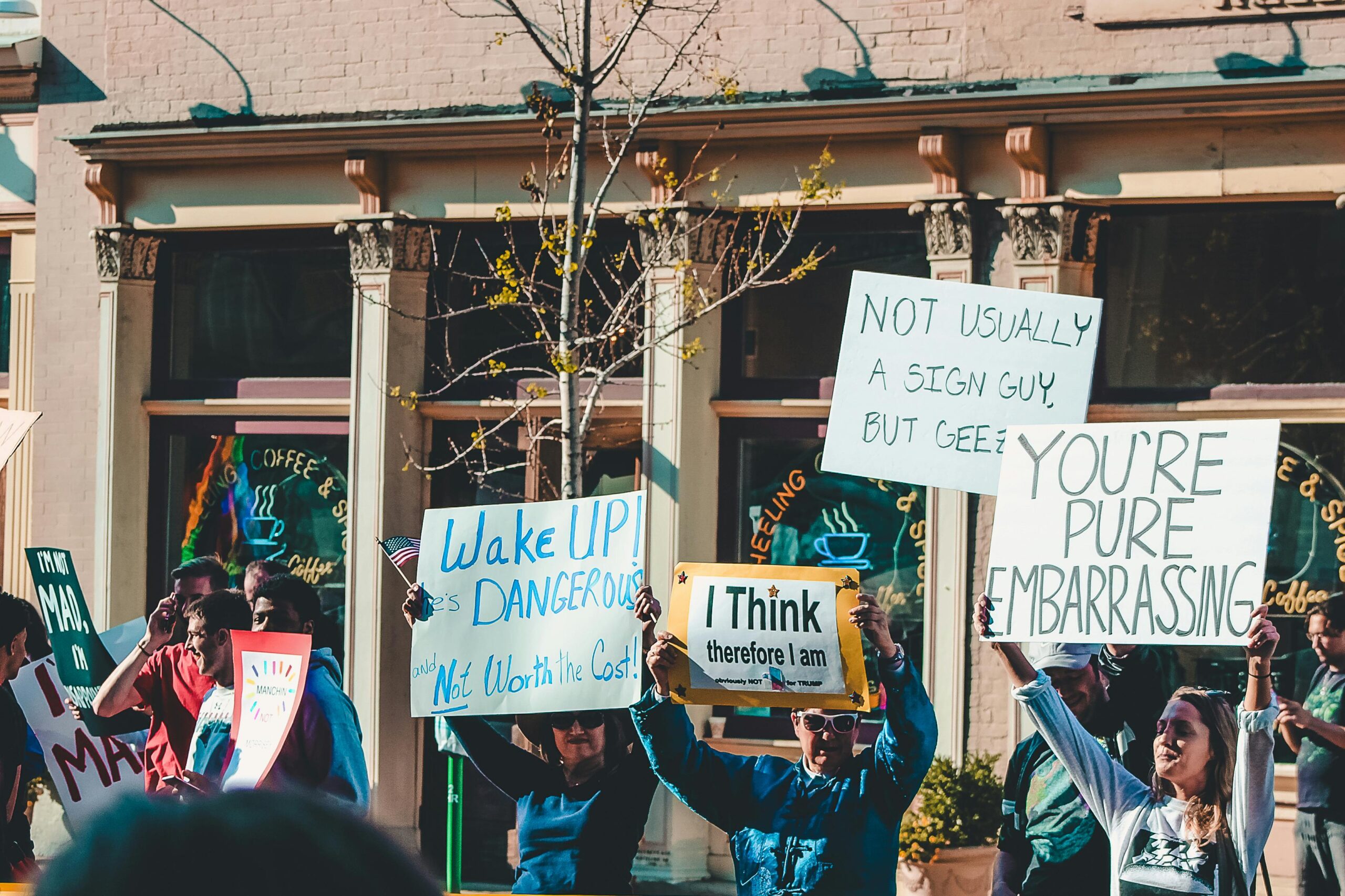
Our planet’s biodiversity is facing unprecedented challenges, and the power to reverse this decline lies within our communities. When local people unite with purpose and passion, they become the frontline defenders of Earth’s precious ecosystems and species.

The connection between thriving communities and healthy ecosystems has never been more apparent. As we witness climate change accelerating and species disappearing at alarming rates, grassroots movements worldwide are proving that collective action creates meaningful environmental impact. From urban neighborhoods to remote villages, people are discovering that protecting biodiversity isn’t just an environmental necessity—it’s essential for human survival and prosperity.
🌍 The Critical State of Global Biodiversity
Understanding the urgency of biodiversity conservation requires acknowledging the sobering reality we face. Scientists estimate that we’re losing species at rates 1,000 times higher than natural background extinction rates. This isn’t just about losing animals and plants; it’s about dismantling the intricate web of life that supports food security, clean water, disease regulation, and climate stability.
The World Wildlife Fund’s Living Planet Report reveals that wildlife populations have declined by an average of 69% since 1970. Forests, wetlands, coral reefs, and grasslands—habitats that countless species call home—are disappearing rapidly. Yet within this crisis lies opportunity: communities armed with knowledge, resources, and determination can reverse these trends through coordinated conservation efforts.
Why Community Involvement Makes the Difference
Top-down conservation approaches have their place, but lasting environmental protection happens when communities take ownership. Local people understand their ecosystems intimately—they know seasonal patterns, species behaviors, and historical changes that scientists might miss. This indigenous and traditional knowledge, combined with scientific expertise, creates powerful conservation strategies.
Community-led conservation also addresses social justice dimensions. Many biodiversity hotspots overlap with areas where indigenous peoples and local communities live. These groups have often served as stewards for generations, yet their rights and knowledge have been marginalized. Empowering these communities means recognizing their role as rightful guardians and decision-makers.
🤝 Building Blocks of Community Empowerment
Effective community empowerment for biodiversity conservation rests on several fundamental pillars that work synergistically to create lasting change. Each element strengthens the others, building resilient networks capable of protecting natural resources for generations.
Education and Environmental Literacy
Knowledge transforms passive observers into active conservation champions. Environmental education programs that reach all age groups create communities where ecological awareness becomes cultural fabric. When children learn about local species, ecosystem services, and conservation techniques, they carry this wisdom throughout their lives and influence their families.
Adult education programs prove equally vital. Workshops on sustainable agriculture, wildlife monitoring, ecotourism management, and environmental law empower community members with practical skills. These programs work best when they blend traditional knowledge with contemporary conservation science, respecting what communities already know while introducing new tools and perspectives.
Economic Incentives and Sustainable Livelihoods
Conservation succeeds when it aligns with economic wellbeing. Communities struggling with poverty cannot prioritize environmental protection if it threatens their survival. Creating sustainable livelihood opportunities that depend on healthy ecosystems makes biodiversity conservation economically rational.
Ecotourism represents one powerful model. When communities benefit directly from wildlife and pristine habitats through tourism revenue, they become motivated protectors. Similarly, sustainable harvesting of forest products, organic agriculture, and green enterprises provide income while preserving natural resources. The key is ensuring that economic benefits flow equitably to community members, not external actors.
Access to Resources and Technology
Modern conservation increasingly relies on technology, and communities deserve access to these tools. Smartphone apps for wildlife monitoring, drone technology for patrol and mapping, and satellite imagery for tracking deforestation democratize conservation capabilities. When community members can document biodiversity, report illegal activities, and share data with global networks, their effectiveness multiplies.
Financial resources matter equally. Microgrants, conservation funds, and payment for ecosystem services programs provide communities with capital to implement projects. Community-managed conservation funds ensure that money supports local priorities rather than externally imposed agendas.
🌱 Proven Strategies for Community-Based Conservation
Across continents, communities are implementing innovative strategies that protect biodiversity while improving quality of life. These approaches offer blueprints that other communities can adapt to their unique contexts.
Community-Managed Protected Areas
Traditional protected areas often excluded local communities, creating resentment and reducing effectiveness. Community-managed protected areas flip this model, giving communities legal rights and responsibilities for conservation zones. These areas often achieve better outcomes because communities have strong incentives to prevent poaching, control invasive species, and maintain habitat quality.
In Namibia, community conservancies covering over 160,000 square kilometers have helped wildlife populations rebound dramatically while providing income to rural communities. Kenya’s community conservancies have similarly revitalized ecosystems while sharing tourism benefits. These models demonstrate that communities can be effective conservation managers when given authority and support.
Citizen Science and Biodiversity Monitoring
Engaging community members as citizen scientists transforms conservation from abstract concept to tangible practice. When people systematically observe and record species, they develop deeper connections to local biodiversity. This data also becomes invaluable for understanding population trends, distribution patterns, and conservation needs.
Bird watching groups, butterfly monitoring programs, and marine species surveys all exemplify citizen science in action. Technology amplifies these efforts—platforms like iNaturalist allow anyone to contribute species observations that scientists worldwide can access and verify. Communities become data contributors to global biodiversity knowledge while building local expertise.
Restoration and Rewilding Projects
Community-led restoration projects heal damaged ecosystems while creating employment and rekindling relationships with nature. Tree planting initiatives, wetland restoration, and coral reef rehabilitation engage community members directly in rebuilding natural systems. These projects work best when they prioritize native species and ecosystem functionality over simple metrics like number of trees planted.
Rewilding—allowing ecosystems to recover naturally with minimal intervention—represents another powerful approach. Communities can protect areas from destructive activities while allowing natural succession to rebuild complexity. Strategic reintroductions of keystone species, when appropriate, can accelerate ecosystem recovery.
🌟 Overcoming Barriers and Challenges
Despite enormous potential, community conservation efforts face significant obstacles that require honest acknowledgment and strategic responses. Recognizing these challenges helps communities and their supporters develop realistic implementation plans.
Addressing Conflicts Between Conservation and Development
Development pressures constantly threaten biodiversity. Mining operations, industrial agriculture, infrastructure projects, and urban expansion all promise economic benefits while degrading ecosystems. Communities often face difficult choices between immediate economic gains and long-term environmental health.
Resolving these tensions requires transparent dialogue about tradeoffs, rigorous environmental impact assessments, and exploring alternative development pathways. Communities need legal support to defend environmental rights and negotiating power with corporations and governments. Regional planning that designates conservation zones, sustainable use zones, and development zones can reduce conflicts.
Securing Land Rights and Tenure
Communities cannot effectively protect biodiversity without secure rights to land and resources. In many regions, unclear tenure arrangements leave communities vulnerable to land grabs and unable to exclude destructive activities. Legal recognition of community land rights provides foundation for long-term conservation investment.
Land titling programs, recognition of customary rights, and co-management agreements between governments and communities all strengthen tenure security. International frameworks increasingly recognize community rights, but implementation at national and local levels often lags.
Ensuring Inclusive Participation
Not all community members benefit equally from conservation initiatives, and some voices dominate decision-making processes. Women, youth, marginalized groups, and minorities may find their perspectives ignored. True empowerment requires intentional efforts to ensure inclusive participation.
Gender-sensitive approaches recognize that women and men often have different relationships with natural resources and different conservation knowledge. Youth engagement ensures intergenerational continuity and brings fresh perspectives. Creating deliberate spaces for marginalized voices strengthens both social equity and conservation outcomes.
🔗 Connecting Communities for Greater Impact
While local action forms conservation’s foundation, connecting communities amplifies impact through shared learning, collective advocacy, and coordinated strategies. Networks transform isolated efforts into movements capable of influencing policy and practice at larger scales.
Regional and International Networks
Community conservation networks facilitate knowledge exchange, allowing communities to learn from each other’s successes and failures. The International Community-Based Conservation Exchange brings together practitioners globally to share strategies and build solidarity. Regional networks address shared challenges like migratory species conservation or transboundary ecosystem management.
These networks also strengthen advocacy power. When communities speak collectively, their voices carry more weight in policy forums. Network coordination helps communities influence national environmental legislation, international agreements, and funding priorities.
Partnerships with NGOs, Government, and Academia
Effective community conservation rarely happens in isolation. Strategic partnerships with environmental NGOs provide technical expertise, funding access, and advocacy support. Academic partnerships contribute scientific knowledge and monitoring capabilities while communities contribute local expertise and implementation capacity.
Government partnerships are particularly crucial. When government agencies work collaboratively with communities rather than imposing top-down mandates, conservation becomes more effective and sustainable. Co-management arrangements, where communities and government share authority and responsibilities, often yield excellent results.
📱 Technology as an Enabler of Community Conservation
Digital tools are revolutionizing how communities engage with conservation, making sophisticated monitoring and communication accessible to people regardless of location or resources. Mobile technology particularly offers transformative potential for biodiversity protection.
Geographic information systems (GIS) allow communities to map their territories, document biodiversity hotspots, and track threats like illegal logging or mining. Camera traps provide non-invasive wildlife monitoring capabilities. Acoustic monitoring captures sounds of elusive species and ecosystem health indicators.
Social media and communication platforms enable rapid information sharing about conservation threats, coordinate patrol activities, and build public awareness. Communities can document environmental crimes with photos and videos that become evidence for prosecution. Online platforms connect communities with funding sources through crowdfunding and grant applications.
💡 Inspiring Success Stories from Around the World
Real-world examples demonstrate that community empowerment for biodiversity conservation works. These stories provide inspiration and practical lessons for communities beginning their conservation journeys.
The Amazon’s Indigenous Guardians
Indigenous territories in the Amazon rainforest consistently show lower deforestation rates than other areas, including government-protected zones. Communities like the Kayapo people in Brazil patrol vast territories, using both traditional knowledge and modern technology to defend forests from illegal logging and land clearing. Their success demonstrates that recognizing indigenous rights is among the most effective conservation strategies.
Community Fishing Management in the Philippines
Coastal communities in the Philippines have established marine protected areas and sustainable fishing zones that have revitalized depleted fish stocks. By enforcing seasonal closures, gear restrictions, and no-take zones, these communities have seen dramatic rebounds in marine biodiversity and fishing yields. Economic benefits from healthier fisheries motivate continued conservation commitment.
Urban Biodiversity Champions
Conservation isn’t only for rural areas. Urban communities worldwide are creating green corridors, protecting urban forests, and restoring waterways. Seoul’s Cheonggyecheon stream restoration transformed a polluted concrete channel into a thriving ecosystem in the city’s heart. Community gardening movements in cities globally create habitat patches while strengthening social bonds and food security.
🎯 Creating Your Community’s Conservation Action Plan
Communities ready to embark on conservation journeys benefit from structured approaches that build momentum while remaining flexible enough to adapt to local contexts and emerging opportunities.
Begin with assessment. What biodiversity exists in your area? What threats does it face? What traditional conservation practices already exist? Engage diverse community members in this assessment process, ensuring various perspectives inform understanding. Scientific surveys combined with community knowledge mapping create comprehensive baselines.
Next, develop a shared vision. What does your community want the environment to look like in 10, 20, or 50 years? Vision statements that reflect community values and aspirations create motivating goals. Ensure this vision-setting process is genuinely participatory, not dominated by a small group.
Identify priority actions based on your assessment and vision. Start with achievable projects that build confidence and demonstrate benefits. Quick wins create momentum for tackling more ambitious challenges. Consider which actions address the most significant threats, protect the most valuable biodiversity, and provide clear community benefits.
Establish governance structures that ensure transparent, accountable decision-making. Community conservation committees, management boards, or cooperatives provide organizational frameworks. Clear rules about membership, leadership selection, financial management, and conflict resolution prevent future problems.
Secure resources through diverse strategies. Seek grants from conservation organizations, government programs, and international funders. Develop income-generating activities that support conservation work. Build partnerships with NGOs, universities, and agencies that can provide technical and financial support.
Implement, monitor, and adapt. Begin your priority activities while establishing monitoring systems to track progress. Regular community meetings to review results, celebrate successes, and adjust strategies keep initiatives responsive and relevant. Documentation of activities, outcomes, and lessons learned creates knowledge that benefits your community and others.
🌈 Toward a Sustainable and Biodiverse Future
The path forward requires reimagining humanity’s relationship with nature. For too long, dominant narratives portrayed environmental protection and human development as competing interests. Community-based conservation reveals this as false dichotomy—thriving ecosystems and thriving communities are inseparable.
As climate change intensifies and biodiversity loss accelerates, community empowerment for conservation becomes not merely important but essential. Communities on the frontlines of environmental change are developing adaptation strategies, building resilience, and protecting the ecosystems that buffer climate impacts. Their efforts benefit not just local areas but the entire planet.
The transition to sustainability requires transforming economic systems, consumption patterns, and value systems. Communities pioneering sustainable livelihoods, circular economies, and nature-based solutions demonstrate viable alternatives to destructive development models. As these examples multiply and connect, they create momentum for systemic change.
Young people will inherit the environmental consequences of today’s decisions. Engaging youth in conservation builds the next generation of environmental stewards while bringing energy, creativity, and technological savvy to current efforts. Youth-led conservation movements worldwide show that young people are ready to lead when given opportunities.
Ultimately, protecting our planet’s incredible biodiversity reflects a choice about what kind of world we want to inhabit. Sterile, simplified ecosystems diminish quality of life in countless ways—aesthetically, spiritually, economically, and practically. Rich, diverse natural communities enhance human wellbeing while maintaining the ecological processes that make life possible.
Every community has unique assets to contribute to global conservation efforts. Whether protecting a local stream, restoring a neighborhood forest, or managing vast wildlife territories, community actions collectively determine our planetary future. The power to protect biodiversity exists within communities—the question is whether we’ll mobilize this power before irreplaceable treasures disappear forever.
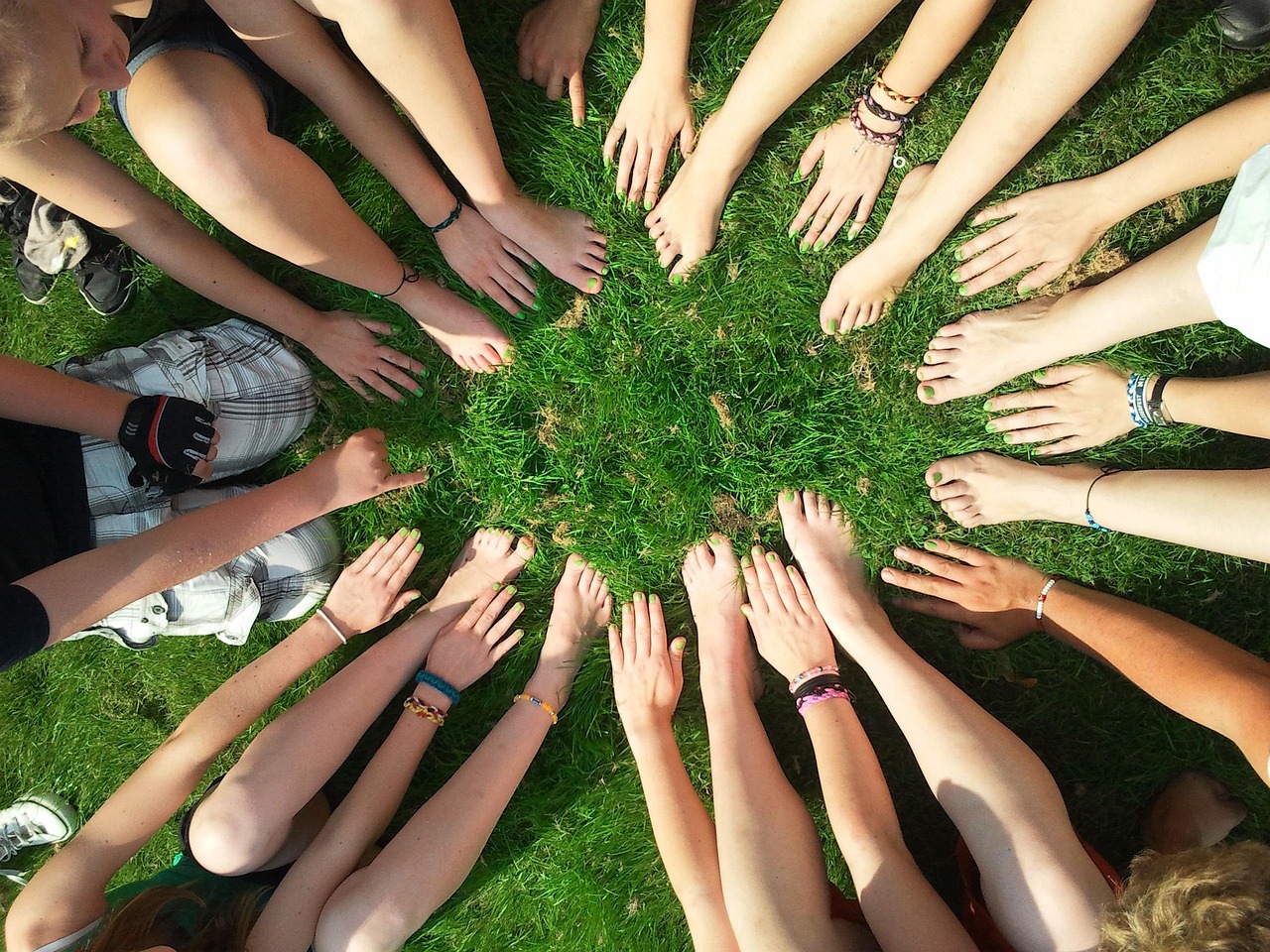
United by shared commitment to conservation, empowered with knowledge and resources, and connected through networks of solidarity, communities worldwide are proving that a sustainable, biodiverse future is possible. This isn’t naive optimism but pragmatic recognition that community-based conservation works. As more communities join this movement, their collective impact grows exponentially, offering genuine hope for our planet’s future. The time for action is now, and the power resides in communities ready to unite for the Earth we all share. 🌍