
The future of food production stands at a critical crossroads. As climate change intensifies and populations grow, the way we cultivate our land must transform fundamentally to ensure planetary health and human survival.

Traditional industrial farming practices have depleted soils, contaminated waterways, and contributed significantly to greenhouse gas emissions. However, a powerful movement is emerging that promises to heal our relationship with the land while feeding the world. Sustainable agriculture and regenerative farming represent more than agricultural techniques—they embody a philosophy of working with nature rather than against it, creating systems that restore ecosystems while producing nutritious food.
🌱 Understanding the Foundations of Sustainable Agriculture
Sustainable agriculture encompasses farming practices designed to meet current food needs without compromising future generations’ ability to do the same. This approach balances three interconnected pillars: environmental health, economic profitability, and social equity. Unlike conventional methods that prioritize short-term yields, sustainable farming views agricultural land as a living ecosystem requiring careful stewardship.
The core principles include minimizing chemical inputs, preserving biodiversity, maintaining soil health, and using water resources efficiently. Farmers implementing these practices often rotate crops strategically, integrate livestock with crop production, and employ biological pest control methods. These techniques reduce dependency on synthetic fertilizers and pesticides while building resilient farming systems capable of withstanding environmental stresses.
Economic sustainability ensures farmers can maintain livelihoods while adopting environmentally friendly practices. This involves developing local markets, receiving fair prices for products, and reducing input costs through natural resource management. Social sustainability addresses fair labor practices, community engagement, and preserving traditional agricultural knowledge for future generations.
The Regenerative Farming Revolution 🌾
Regenerative farming takes sustainability further by actively improving and restoring ecosystems. Rather than simply maintaining resources, regenerative practices enhance soil fertility, increase biodiversity, improve water cycles, and sequester atmospheric carbon. This holistic approach recognizes farms as potential solutions to climate change rather than contributors to environmental degradation.
At the heart of regenerative agriculture lies soil health. Healthy soil teems with microorganisms, fungi, earthworms, and other organisms that create complex networks supporting plant growth. Regenerative farmers use techniques like minimal tillage, cover cropping, and composting to build organic matter in soil, transforming it into a carbon sink that removes CO2 from the atmosphere.
One study found that regenerative practices could sequester enough carbon to offset a significant portion of global emissions if widely adopted. Beyond carbon sequestration, improved soil structure enhances water retention, reducing irrigation needs and protecting against both drought and flooding—increasingly important as weather patterns become more unpredictable.
Key Regenerative Practices Transforming Farming
Cover cropping involves planting specific crops during off-seasons to protect and enrich soil. These plants prevent erosion, suppress weeds, fix nitrogen, and add organic matter when incorporated back into the earth. Legumes, grasses, and brassicas serve different functions, and farmers often use diverse mixtures to maximize benefits.
Crop rotation disrupts pest and disease cycles while balancing soil nutrient demands. By alternating plant families across seasons and years, farmers reduce reliance on chemical interventions and maintain soil fertility naturally. A typical rotation might include nitrogen-fixing legumes, deep-rooted plants that break up compacted soil, and diverse vegetables or grains.
Composting and organic amendments transform waste into valuable resources. Agricultural residues, food scraps, and animal manures become nutrient-rich compost that feeds soil biology and improves structure. This circular approach reduces waste while eliminating needs for synthetic fertilizers that can contaminate waterways and emit greenhouse gases during production.
🐄 Holistic Grazing and Animal Integration
Livestock often receive criticism for environmental impacts, but regenerative systems demonstrate that animals can be powerful tools for ecosystem restoration when managed properly. Holistic planned grazing mimics natural herbivore movements, allowing grasslands to recover between grazing periods while animal impact stimulates plant growth and incorporates organic matter into soil.
Rather than keeping animals in confined areas or allowing continuous grazing that degrades pastures, holistic management uses portable fencing to move livestock frequently. Animals graze intensively in small areas for short periods, then move on, giving plants time to regrow deeply rooted systems. Their hooves break up soil crusts, their manure fertilizes land, and their grazing stimulates plant diversity.
Integrated crop-livestock systems create synergies where animals graze crop residues, provide manure for fertility, and occupy land during fallow periods. These polyculture approaches increase overall farm productivity while building ecological resilience. Chickens might follow cattle to spread manure and control parasites, while sheep can graze cover crops between orchard rows.
Water Management for a Thirsty Planet 💧
Agriculture accounts for approximately 70% of global freshwater use, making water management critical for sustainability. Regenerative approaches focus on capturing, storing, and efficiently using water while restoring natural hydrological cycles. Healthy soil with high organic matter acts like a sponge, absorbing rainfall and slowly releasing it to plants and aquifers.
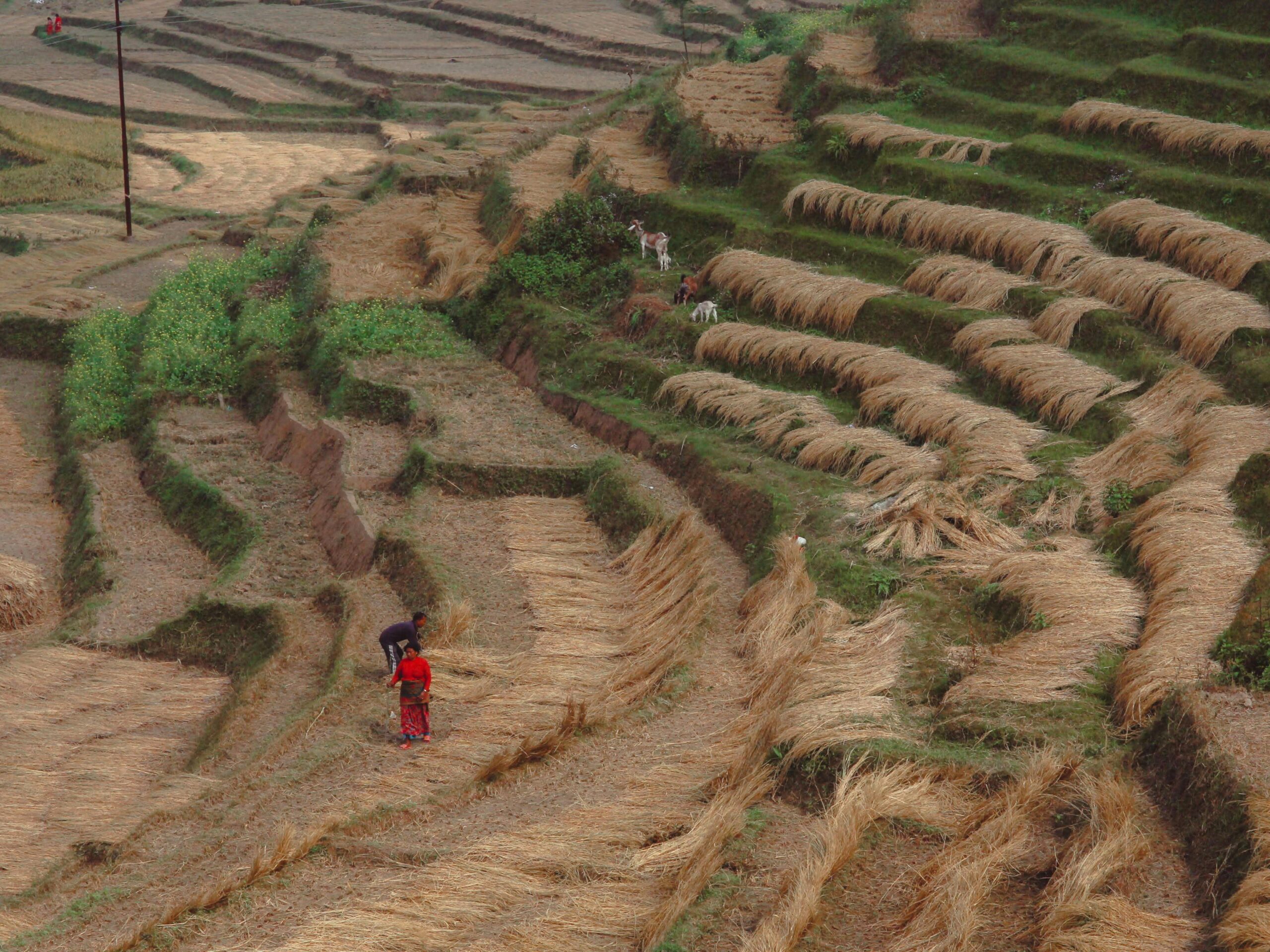
Contour farming, terracing, and swales slow water movement across landscapes, allowing infiltration rather than runoff. These earthworks prevent erosion while recharging groundwater supplies. Rainwater harvesting systems capture precipitation for irrigation during dry periods, reducing reliance on wells or municipal water sources.
Drip irrigation and other precision technologies deliver water directly to plant roots, minimizing evaporation and waste. When combined with mulching—covering soil with organic materials—water requirements decrease substantially. Some regenerative farms report reducing irrigation needs by 50% or more while maintaining or increasing yields.
Reviving Watersheds Through Agricultural Practices
Degraded agricultural lands contribute to flooding, drought, and water pollution. Regenerative farms can reverse these trends by restoring watershed functions. Riparian buffers—vegetated areas along waterways—filter runoff, prevent erosion, and provide wildlife habitat. Strategic tree planting slows wind, moderates temperatures, and pumps water from deep soil layers.
Constructed wetlands treat agricultural wastewater naturally while creating diverse habitats. These systems use plants and microorganisms to remove nutrients and contaminants before water returns to streams or aquifers. Beyond pollution control, wetlands support biodiversity and can provide additional income through fish production or recreational opportunities.
🦋 Biodiversity: Nature’s Insurance Policy
Industrial monocultures create biological deserts vulnerable to pests, diseases, and climate variability. Sustainable and regenerative systems embrace biodiversity as fundamental to resilience and productivity. Diverse farms harbor beneficial insects, pollinators, soil organisms, and wildlife that provide ecosystem services worth billions annually.
Polycultures and agroforestry systems grow multiple species together, mimicking natural ecosystems. Trees provide shade, fix nitrogen, produce fruits or nuts, and create microclimates that protect understory crops. Intercropping—growing complementary plants together—maximizes space use while supporting beneficial interactions. The classic “Three Sisters” combination of corn, beans, and squash exemplifies these synergies.
Hedgerows, insectary plantings, and wildlife corridors integrate conservation into productive landscapes. These features provide habitat for natural pest predators, pollinators, and other beneficial organisms. Studies show farms with greater biodiversity experience fewer pest problems and require fewer chemical interventions while maintaining comparable yields to conventional operations.
Carbon Farming: Agriculture as Climate Solution 🌍
Agriculture currently contributes roughly 25% of global greenhouse gas emissions, but regenerative practices can transform farms from carbon sources to carbon sinks. Carbon farming specifically manages land to maximize atmospheric carbon dioxide removal and storage in soil and biomass. This represents one of the most scalable climate solutions available today.
Photosynthesis captures carbon from air and transfers it to plants. When plants die or shed leaves, this carbon enters soil where it can remain for decades or centuries if properly managed. Practices that increase plant growth and minimize soil disturbance—like no-till farming, cover cropping, and perennial crops—build soil carbon stocks while improving fertility.
Verification protocols and carbon markets now allow farmers to generate income from carbon sequestration. Companies and governments purchase carbon credits from farmers implementing regenerative practices, creating financial incentives for climate-positive agriculture. While these markets continue evolving, they represent promising mechanisms for supporting agricultural transformation.
Measuring and Verifying Soil Carbon
Accurate measurement remains essential for carbon markets and tracking progress. Traditional soil testing involves collecting samples and laboratory analysis—time-consuming and expensive processes. Emerging technologies like spectral analysis, remote sensing, and modeling tools make monitoring more accessible and affordable for farmers.
Long-term commitment proves crucial for carbon sequestration. Soil carbon builds gradually over years and decades, and gains can be lost quickly if regenerative practices cease. Successful programs require ongoing monitoring, farmer education, and economic support to maintain practices through challenging periods like droughts or market downturns.
🚜 Technology Meets Tradition in Modern Sustainable Farming
Sustainable agriculture doesn’t reject technology—it harnesses innovation to work more intelligently with natural systems. Precision agriculture uses GPS, sensors, and data analytics to optimize resource use, applying water, nutrients, and treatments only where and when needed. This reduces waste and environmental impact while improving efficiency.
Drone technology enables farmers to monitor crop health, identify pest problems early, and assess soil conditions across large areas quickly. Multispectral imaging reveals plant stress invisible to the naked eye, allowing targeted interventions before problems escalate. This precision prevents overuse of inputs while catching issues that might otherwise reduce yields.
Biotechnology offers tools for developing crop varieties with enhanced nutrition, pest resistance, or climate adaptation without genetic modification. Marker-assisted selection accelerates traditional breeding by identifying desirable traits at the genetic level. Cover crop blends optimized for specific soil conditions and climate zones exemplify how science enhances regenerative practices.
Mobile applications connect farmers with weather forecasts, pest alerts, market prices, and educational resources. These tools democratize agricultural knowledge, helping smallholder farmers access information previously available only to large operations. Digital platforms also facilitate direct marketing, connecting producers with consumers who value sustainable practices.
Economic Viability and Market Transformation 💰
Transitioning to sustainable and regenerative practices requires investment and involves risk, making economic viability essential for widespread adoption. Initial costs for equipment, education, and certification can challenge farmers, particularly small-scale operations with limited capital. However, long-term benefits often outweigh these initial expenses through reduced input costs, premium prices, and improved resilience.
Organic and regenerative products command price premiums in many markets as consumers increasingly prioritize environmental and health considerations. Direct marketing through farmers’ markets, community-supported agriculture programs, and online platforms allows producers to capture more value from their products while building customer relationships.
Reduced dependency on purchased inputs significantly improves farm profitability over time. Synthetic fertilizers and pesticides represent major expenses for conventional operations, and prices fluctuate with energy markets. Regenerative farms that build soil fertility and manage pests biologically insulate themselves from these cost pressures while avoiding debt cycles.
Policy Support and Financial Mechanisms
Government policies profoundly influence agricultural practices through subsidies, regulations, and research funding. Historically, policies favored industrial agriculture, but momentum builds for supporting sustainable transitions. Payment schemes that reward ecosystem services—carbon sequestration, water quality, biodiversity—can make regenerative farming economically attractive.
Agricultural credit and crop insurance systems need redesigning to support sustainable practices. Traditional lending often favors large-scale monocultures with established markets, while insurance may not recognize how regenerative practices reduce risk. Progressive financial institutions now develop products specifically for sustainable farmers, recognizing their lower vulnerability to climate and market shocks.
🌾 Global Perspectives and Cultural Contexts
Sustainable and regenerative agriculture looks different across cultures and geographies, reflecting local conditions, traditions, and needs. Indigenous agricultural practices worldwide offer time-tested wisdom for working harmoniously with ecosystems. Many contemporary regenerative principles rediscover and validate traditional knowledge that industrial agriculture dismissed.
In tropical regions, agroforestry systems integrate trees with crops and livestock, mimicking rainforest structures while producing diverse foods, medicines, and materials. These multilayered systems maintain forest cover, protect watersheds, and support biodiversity while providing livelihoods. Coffee and cacao grown under forest canopies exemplify how production and conservation can coexist.
Dryland regions employ water harvesting, strategic grazing, and drought-resistant crops to farm productively in challenging conditions. Techniques like zai pits—planting holes that capture water and organic matter—have restored degraded land across Africa’s Sahel region. These low-tech, high-impact methods demonstrate regenerative potential even in seemingly inhospitable environments.
Asian rice systems show how intensive agriculture can sustain populations for millennia through careful nutrient cycling and water management. Integrated rice-fish farming, where fish grow in flooded paddies, provides protein while controlling pests and fertilizing crops naturally. These traditional polycultures inspire contemporary regenerative designs worldwide.
🍎 From Farm to Fork: Rebuilding Food Systems
Sustainable agriculture extends beyond production to encompass processing, distribution, and consumption. Industrial food systems waste approximately one-third of food produced while consuming enormous energy for transportation and refrigeration. Regenerative thinking applied to entire food systems can multiply environmental benefits and improve nutrition.
Local and regional food systems reduce transportation impacts while supporting community economies. Farmers’ markets, food hubs, and farm-to-institution programs reconnect producers with consumers, building understanding about where food comes from and how it’s grown. Shorter supply chains also reduce waste by enabling flexible responses to supply and demand.
Food processing that preserves nutrients and minimizes waste supports sustainable agriculture. Traditional preservation methods like fermentation, drying, and canning extend seasonal bounty throughout the year without extensive energy use. Value-added products help farmers capture more income from their harvests while reducing losses from spoilage.
Consumer Power and Conscious Eating
Consumer choices drive market demand for sustainably produced food. Every purchase represents a vote for particular agricultural systems and practices. Eating seasonally, choosing organic and regenerative products, reducing meat consumption, and minimizing waste all support more sustainable food systems while improving personal health.
Understanding food labels and certifications helps consumers align purchases with values. Organic, Regenerative Organic Certified, Certified Naturally Grown, and similar designations verify farming practices meet specific standards. Direct relationships with farmers through CSAs or markets provide transparency that certifications alone cannot offer.
Education and Knowledge Sharing for Agricultural Transformation 📚
Transitioning global agriculture requires massive knowledge transfer and education at all levels. Agricultural education traditionally emphasized industrial methods, but institutions increasingly incorporate sustainable and regenerative principles into curricula. Farmer-to-farmer learning networks prove especially valuable, sharing practical experience adapted to local conditions.
Demonstration farms provide hands-on learning opportunities where people can observe regenerative practices in action. Workshops, field days, and internships help aspiring farmers develop skills while building confidence in alternative approaches. Online resources, videos, and courses make education accessible to anyone with internet connection, democratizing agricultural knowledge.
Mentorship programs pair experienced regenerative farmers with those beginning transitions. This guidance proves invaluable for navigating challenges, avoiding common mistakes, and maintaining motivation during difficult periods. Farming communities that support experimentation and share both successes and failures accelerate collective learning.
🌟 Building a Regenerative Future Together
The transformation toward sustainable and regenerative agriculture represents one of humanity’s most critical undertakings. The challenges are substantial—entrenched industrial systems, policy inertia, knowledge gaps, and economic pressures all impede change. However, the growing movement of farmers, researchers, consumers, and policymakers demonstrates that another path is possible and increasingly viable.
Success requires action at every level. Farmers need support—financial, technical, and social—to implement regenerative practices. Researchers must continue developing context-appropriate techniques and documenting outcomes. Policymakers should create enabling environments through incentives, regulations, and public investments. Consumers can vote with their purchases and advocate for systemic change.
The vision extends beyond environmental benefits to encompass thriving rural communities, improved public health, climate resilience, and food security for all. Regenerative agriculture offers pathways toward these interconnected goals, healing relationships between people and land while nourishing both. Every step toward regenerative practices—whether on vast acreages or backyard gardens—contributes to planetary restoration and a more hopeful future for generations to come.