
The challenge of achieving zero hunger remains one of humanity’s most pressing concerns, affecting millions worldwide. As populations grow and climate change intensifies, innovative approaches combining social entrepreneurship with sustainable practices are emerging as powerful catalysts for transformation.

Food insecurity continues to plague communities across continents, demanding comprehensive solutions that go beyond traditional aid models. The intersection of social business innovation and sustainable agricultural practices offers a promising pathway toward eradicating hunger while building resilient food systems that benefit both people and planet.
🌍 Understanding the Global Food Security Crisis
The statistics surrounding global hunger paint a sobering picture. Approximately 735 million people faced chronic hunger in 2023, with numbers rising in regions affected by conflict, climate extremes, and economic instability. This crisis isn’t merely about food scarcity; it encompasses access, affordability, nutrition quality, and the sustainability of food production systems.
Traditional approaches to combating hunger have often relied on charitable donations and government aid programs. While these initiatives provide critical short-term relief, they frequently fail to address underlying systemic issues. The need for sustainable, scalable solutions has never been more urgent, pushing innovators toward business models that combine profit with purpose.
The Social Business Revolution in Food Systems
Social businesses represent a paradigm shift in how we approach hunger eradication. Unlike conventional enterprises focused solely on profit maximization or charities dependent on donations, social businesses create self-sustaining models that generate revenue while prioritizing social impact. This dual mandate ensures long-term viability while directly addressing food security challenges.
Key Characteristics of Food-Focused Social Enterprises
Successful social businesses in the food sector share several defining features. They prioritize beneficiary participation, ensuring that communities affected by food insecurity have agency in solution design. These enterprises reinvest profits into expanding their social mission rather than distributing dividends to shareholders. Sustainability guides their operations, from agricultural practices to supply chain management.
Scalability represents another crucial element. The most effective social businesses develop models that can be replicated across different geographic contexts, adapting to local conditions while maintaining core principles. This approach allows proven solutions to reach increasingly larger populations without requiring proportional increases in external funding.
💡 Innovative Business Models Transforming Food Access
Several innovative business models have emerged as game-changers in the fight against hunger. Farm-to-table networks connect smallholder farmers directly with consumers, eliminating intermediaries who often capture disproportionate value. This model increases farmer income while making fresh, nutritious food more affordable for urban populations.
Technology-Enabled Food Distribution Platforms
Digital platforms have revolutionized food distribution in developing regions. Mobile applications connect surplus food from restaurants and retailers with communities in need, reducing waste while addressing hunger. These platforms often incorporate blockchain technology to ensure transparency and build trust among all stakeholders.
Microfranchising represents another powerful model. Social enterprises develop standardized, small-scale business packages that local entrepreneurs can operate with minimal capital investment. In the food sector, this might include mobile food carts offering nutritious meals at affordable prices, small-scale food processing units, or community grocery stores in food deserts.
Cooperative Agricultural Models
Agricultural cooperatives empower smallholder farmers through collective bargaining power, shared resources, and knowledge exchange. Modern cooperatives integrate sustainable farming techniques, financial literacy training, and market access support. By pooling resources, small farmers achieve economies of scale previously available only to large agribusinesses.
These cooperatives often partner with social businesses that provide processing facilities, storage infrastructure, and market connections. This integrated approach addresses multiple barriers that small farmers face simultaneously, creating comprehensive pathways out of poverty while strengthening local food security.
Sustainable Agricultural Innovations Driving Change
Sustainable agriculture forms the foundation of long-term food security. Innovations in this space combine traditional wisdom with cutting-edge technology to increase productivity while protecting environmental resources. Precision agriculture uses sensors, drones, and data analytics to optimize water use, reduce chemical inputs, and maximize yields on existing farmland.
🌱 Regenerative Farming Practices
Regenerative agriculture goes beyond sustainability to actively improve soil health, increase biodiversity, and sequester carbon. Techniques like cover cropping, crop rotation, and integrated livestock management restore degraded land while producing nutritious food. Social businesses promoting regenerative practices often provide training, certification support, and premium market access to incentivize adoption.
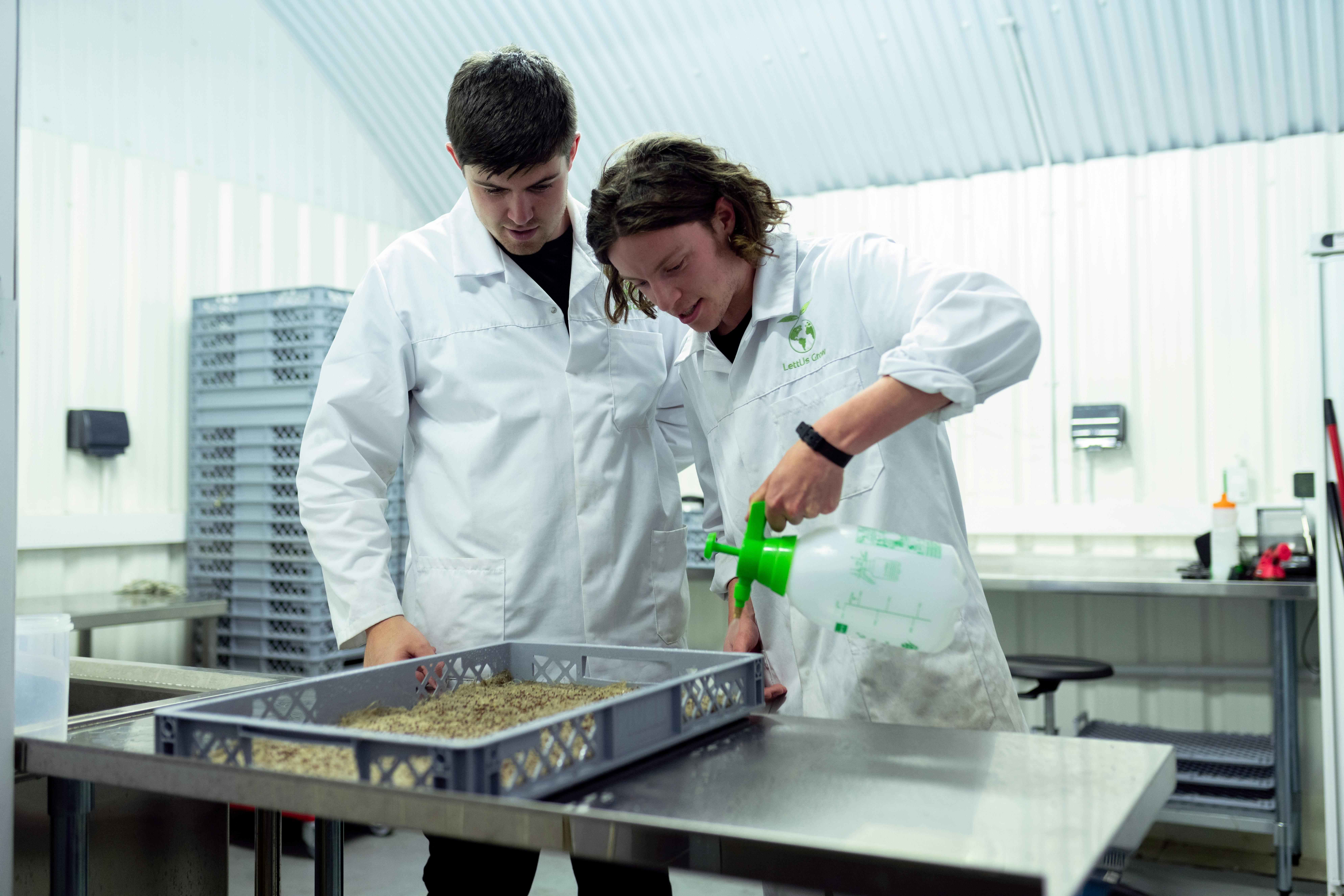
Vertical farming and controlled environment agriculture enable food production in urban areas and regions with limited arable land. These systems use significantly less water than conventional agriculture, eliminate pesticide needs, and produce year-round harvests independent of weather conditions. As costs decline, social enterprises are adapting these technologies for community-scale implementation in food-insecure neighborhoods.
Climate-Resilient Crop Development
Climate change poses existential threats to food security, particularly in vulnerable regions. Developing crop varieties that withstand drought, flooding, extreme temperatures, and emerging pests represents a critical innovation frontier. Social businesses and research institutions collaborate to ensure these improved varieties reach smallholder farmers affordably, often through open-source seed programs that reject restrictive intellectual property claims.
Financial Innovation Supporting Food Security
Access to capital remains a significant barrier for small-scale food producers and social enterprises addressing hunger. Innovative financing mechanisms are emerging to bridge this gap. Impact investing directs capital toward ventures generating measurable social and environmental returns alongside financial returns, channeling billions into food security initiatives.
Microfinance and Agricultural Credit
Microfinance institutions increasingly specialize in agricultural lending, understanding the unique cash flow patterns and risks facing small farmers. Digital financial services enable farmers to receive payments quickly, access credit through mobile phones, and build financial histories that qualify them for larger loans. Insurance products tailored to agricultural risks provide safety nets against climate shocks.
Crowdfunding platforms democratize investment in social food enterprises, allowing individuals worldwide to support specific projects with small contributions. This approach not only raises capital but builds engaged communities of supporters who amplify the social mission through their networks.
🤝 Building Partnerships for Greater Impact
No single organization can solve hunger alone. The most successful initiatives leverage partnerships across sectors, combining the innovation capacity of social businesses, the reach of nonprofits, the resources of corporations, and the enabling environment that governments provide. These multi-stakeholder collaborations address food security comprehensively.
Public-Private Partnerships in Food Systems
Governments increasingly recognize social businesses as valuable partners in achieving food security goals. Public-private partnerships can accelerate innovation adoption, improve infrastructure, and create supportive policy environments. For example, governments might subsidize initial setup costs for food processing cooperatives or provide land access for urban farming initiatives while social enterprises contribute operational expertise and market connections.
Corporate partnerships extend the reach and capabilities of social food enterprises. Large food companies increasingly seek purpose-driven collaborations, providing distribution networks, technical expertise, or purchasing commitments that enable social businesses to scale. When structured thoughtfully, these partnerships maintain the social mission while accessing corporate resources.
Technology as an Enabler of Food Security
Digital technologies are transforming every aspect of food systems, from production to consumption. Mobile connectivity enables farmers in remote areas to access weather forecasts, market prices, and agricultural advice. E-commerce platforms connect producers with consumers across vast distances, opening markets that were previously inaccessible.
📱 Data-Driven Decision Making
Big data analytics help identify food insecurity hotspots in real-time, enabling rapid response. Artificial intelligence optimizes supply chains to reduce waste and improve efficiency. Satellite imagery monitors crop health across large areas, providing early warning systems for potential harvest failures.
Blockchain technology enhances transparency throughout food supply chains, building consumer trust while ensuring fair compensation for producers. Smart contracts automate payments when delivery conditions are met, reducing transaction costs and delays that particularly burden small-scale producers.
Nutrition-Focused Innovation Beyond Calories
Modern food security efforts recognize that eliminating hunger requires more than ensuring caloric sufficiency. Malnutrition, including micronutrient deficiencies, affects billions and impairs human development. Social businesses are innovating to make nutritious food accessible and affordable, particularly for vulnerable populations including children and pregnant women.
Fortification and Biofortification Strategies
Food fortification adds essential vitamins and minerals to commonly consumed staples, addressing widespread deficiencies. Social enterprises develop affordable fortification technologies suitable for small-scale processors, bringing nutritional improvements to rural communities. Biofortification develops crop varieties naturally higher in key nutrients, providing sustainable nutrition solutions without requiring ongoing processing interventions.
Alternative protein sources, including plant-based products and insect farming, offer sustainable nutrition solutions with lower environmental footprints than conventional animal agriculture. Social businesses make these alternatives culturally appropriate and affordable for diverse communities, expanding protein access without accelerating climate change.
🌾 Empowering Women in Food Systems
Women comprise a significant portion of the agricultural workforce globally yet face systematic barriers to land ownership, credit access, and decision-making power. Social businesses prioritizing gender equity unlock tremendous potential for food security improvements. Research consistently shows that when women control resources, families spend more on nutrition, healthcare, and education.
Women-Centered Business Models
Successful social enterprises design programs specifically supporting women farmers and food entrepreneurs. These initiatives provide not only capital and training but also address social barriers through leadership development, collective action, and engagement with male community members to challenge restrictive norms. Women’s agricultural cooperatives create safe spaces for skill development and market access while building political voice.
Measuring Impact and Ensuring Accountability
Rigorous impact measurement distinguishes effective social businesses from those with good intentions but limited results. Leading food security enterprises establish clear metrics tracking not only people fed but nutritional outcomes, income improvements for producers, environmental sustainability indicators, and community resilience measures.
Transparency and Learning
The most mature social businesses publish regular impact reports, openly sharing successes and failures. This transparency builds trust with stakeholders while contributing to sector-wide learning. When an approach doesn’t work as intended, honest assessment and adjustment prevent wasted resources on ineffective strategies.
Third-party verification and certification provide credibility, assuring investors and supporters that social claims are substantiated. Organizations like B Lab offer certification frameworks that hold social businesses accountable to stakeholder interests beyond shareholders.
Scaling Solutions for Global Reach
Promising pilot projects must scale to achieve meaningful impact on global hunger. Scaling requires more than simply expanding operations; it demands adapting models to diverse contexts while maintaining fidelity to core principles. Franchise approaches enable rapid geographic expansion while knowledge platforms disseminate best practices to independent implementers.
Creating Enabling Ecosystems
Individual social businesses thrive within supportive ecosystems. Accelerators and incubators nurture early-stage food security ventures, providing mentorship, funding connections, and operational support. Industry associations facilitate peer learning and collective advocacy for policy improvements. Academic institutions contribute research and talent while validating innovative approaches.
Government policies profoundly influence whether social food businesses can scale effectively. Supportive regulatory environments, tax incentives for social enterprises, public procurement preferences, and infrastructure investments create conditions for success. Advocacy efforts increasingly focus on shaping these policy landscapes to favor sustainable, equitable food systems.
⚡ Addressing Challenges and Barriers
Despite promising innovations, significant challenges remain. Many social food enterprises struggle with profitability, particularly in early stages when serving the most vulnerable populations. Balancing social mission with financial sustainability requires skillful management and often patient capital willing to accept longer return timelines.
Infrastructure Limitations
Poor infrastructure in food-insecure regions complicates operations. Inadequate roads increase transportation costs and spoilage, unreliable electricity hampers food processing and storage, and limited internet connectivity restricts digital solutions. Social businesses must either invest heavily in addressing these infrastructure gaps or design models that function despite constraints.
Climate change accelerates at a pace that threatens to overwhelm adaptation efforts. Extreme weather events increasingly disrupt food production and distribution, while long-term shifts render traditional agricultural areas unviable. Food security innovations must incorporate climate resilience as a fundamental design principle, not an afterthought.
The Path Forward: Collaborative Action for Zero Hunger
Achieving zero hunger requires unprecedented collaboration and innovation. Social business models demonstrate that addressing food insecurity need not depend solely on charity; sustainable enterprises can profitably serve low-income populations while creating lasting positive change. Continued innovation in agriculture, technology, finance, and business models will accelerate progress toward this ambitious goal.
Success demands sustained commitment from all stakeholders. Investors must allocate more capital toward food security social enterprises, accepting appropriate returns for the social value created. Consumers can support these businesses through purchasing decisions that reward sustainability and equity. Policymakers must create regulatory environments where social businesses flourish while holding all food system actors accountable for social and environmental performance.
The vision of zero hunger is achievable within our lifetimes, but only through transformative change in how we produce, distribute, and consume food. Social business models combined with sustainable innovations provide the tools; collective will and coordinated action will determine whether we seize this historic opportunity to end hunger for good. The innovations emerging today offer genuine hope that nutritious, sustainably produced food can become accessible to every person on this planet.