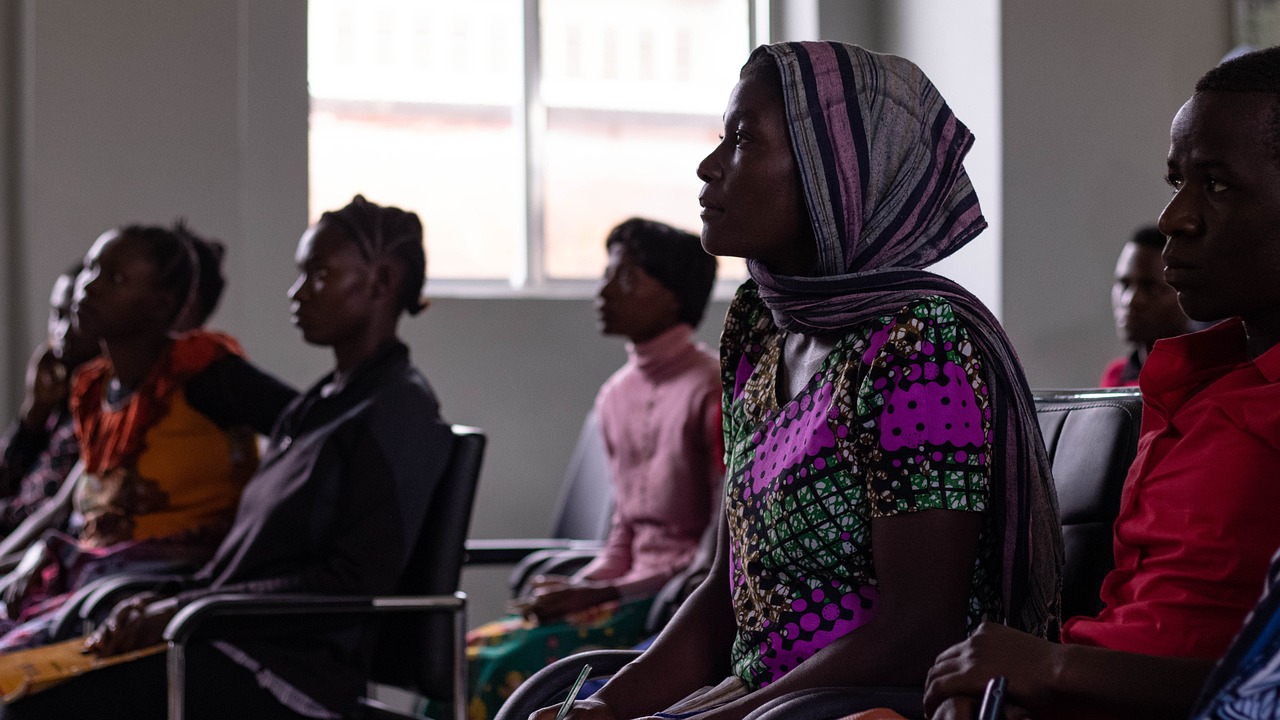
Mental health care remains one of the most pressing challenges facing marginalized communities worldwide. Systemic inequities, cultural stigma, and limited access to resources create formidable obstacles that prevent millions from receiving the support they desperately need.

Addressing these barriers requires a comprehensive understanding of the unique challenges faced by underserved populations, coupled with innovative solutions that prioritize accessibility, cultural competence, and community empowerment. The journey toward equitable mental health care is not just a medical imperative—it’s a social justice issue that demands immediate attention and transformative action.
🌍 Understanding the Mental Health Crisis in Marginalized Communities
Marginalized communities face disproportionately high rates of mental health challenges compared to the general population. These groups include racial and ethnic minorities, LGBTQ+ individuals, people with disabilities, immigrants, refugees, and those living in poverty. The intersection of multiple marginalized identities often compounds these difficulties, creating what researchers call “minority stress.”
Research consistently demonstrates that individuals from marginalized backgrounds experience higher rates of depression, anxiety, post-traumatic stress disorder, and substance use disorders. Yet paradoxically, these same populations have significantly lower rates of accessing mental health services. This treatment gap represents a critical failure of our current healthcare systems and highlights the urgent need for structural reform.
The COVID-19 pandemic has further exacerbated these disparities, with marginalized communities experiencing greater economic hardship, health complications, and social isolation. Mental health professionals have reported increased demand for services among these populations, yet many barriers to access remain firmly in place.
💔 Identifying the Systemic Barriers to Care
Economic and Insurance-Related Obstacles
Financial constraints represent perhaps the most significant barrier to mental health care for marginalized communities. Many individuals lack health insurance or have inadequate coverage that doesn’t include mental health services. Even when insurance is available, high deductibles, copayments, and out-of-pocket expenses make consistent treatment financially unsustainable.
The shortage of mental health providers who accept Medicaid or offer sliding-scale fees further limits options for low-income individuals. Additionally, the hidden costs of seeking treatment—such as transportation, childcare, and lost wages from taking time off work—create additional burdens that many cannot afford.
Geographic and Infrastructure Challenges
Mental health provider shortages are particularly acute in rural areas and underserved urban neighborhoods where marginalized communities often reside. The lack of accessible public transportation compounds this problem, making it difficult or impossible for individuals to attend appointments at distant facilities.
Telehealth has emerged as a potential solution, but the digital divide remains a significant concern. Many marginalized individuals lack reliable internet access, appropriate devices, or the digital literacy necessary to navigate online healthcare platforms effectively.
Cultural and Linguistic Barriers
The mental health field has historically been dominated by Western psychological frameworks that may not resonate with or accurately address the experiences of diverse cultural groups. Many marginalized communities face a shortage of culturally competent providers who understand their unique worldviews, values, and expressions of distress.
Language barriers create additional obstacles for immigrant and refugee populations. The scarcity of mental health professionals who speak languages other than English means that many individuals cannot effectively communicate their symptoms, concerns, or needs. Even when interpreters are available, the nuances of mental health discussions can be lost in translation.
Stigma and Mistrust
Mental health stigma operates at multiple levels within marginalized communities. Cultural beliefs may discourage seeking help outside the family or community, with mental illness viewed as shameful or as evidence of personal weakness. Religious communities may emphasize prayer and spiritual solutions over professional mental health care.
Historical trauma and ongoing discrimination have created deep-seated mistrust of medical and mental health institutions among many marginalized groups. Communities that have experienced medical experimentation, forced institutionalization, or discrimination within healthcare settings understandably approach the mental health system with caution and skepticism.
🚀 Innovative Solutions for Breaking Down Barriers
Community-Based Mental Health Models
Embedding mental health services directly within communities where marginalized populations live and gather has shown tremendous promise. Community health centers, schools, faith-based organizations, and cultural centers can serve as accessible entry points for mental health support, reducing stigma and increasing comfort levels.
Peer support programs that train individuals from within marginalized communities to provide mental health education and support have demonstrated significant effectiveness. These peer specialists bring lived experience, cultural understanding, and relatable perspectives that can bridge gaps between professional services and community needs.
Mobile mental health clinics that travel to underserved areas offer another innovative approach to overcoming geographic barriers. These units can provide screening, counseling, crisis intervention, and medication management directly where people need them most.
Expanding and Diversifying the Mental Health Workforce
Increasing the diversity of mental health professionals represents a critical strategy for improving care quality and accessibility. Scholarship programs, mentorship initiatives, and pipeline development efforts can help recruit and retain providers from underrepresented backgrounds who are more likely to serve marginalized communities and bring cultural competence to their practice.
Training all mental health professionals in cultural humility, implicit bias recognition, and trauma-informed care should become standard practice rather than optional. Continuing education requirements should include competencies specifically addressing the needs of marginalized populations.
Task-shifting approaches that expand the roles of community health workers, social workers, and primary care providers can help address workforce shortages. With appropriate training and supervision, these professionals can provide evidence-based mental health interventions and bridge connections to specialized care when needed.
Leveraging Technology Thoughtfully
When implemented with equity considerations in mind, digital mental health solutions can dramatically expand access for marginalized communities. Teletherapy platforms have made it possible for individuals in remote areas or with mobility limitations to connect with providers they might never have been able to see in person.
Mental health apps offering self-help tools, symptom tracking, and coping strategies can provide valuable support between therapy sessions or for those not yet ready to engage with professional services. However, developers must prioritize creating culturally relevant content, ensuring accessibility for people with disabilities, and addressing privacy concerns that may be particularly acute for marginalized users.
Text-based crisis intervention services have proven especially appealing to younger generations and those who may feel more comfortable with written communication than phone calls. These services can operate 24/7 and reach individuals who might not otherwise seek help during mental health emergencies.
Policy Reforms and Systemic Change
Achieving true equity in mental health care requires policy interventions at local, state, and national levels. Expanding Medicaid in states that have not yet done so would immediately improve access for millions of low-income individuals. Strengthening mental health parity laws to ensure that insurance coverage for mental health matches physical health coverage would reduce financial barriers.
Increased funding for community mental health centers, particularly those serving marginalized populations, is essential for maintaining and expanding services. Loan forgiveness programs for mental health professionals who commit to working in underserved areas can help address provider shortages.
Integrating mental health services into primary care settings through collaborative care models has shown significant promise for reaching marginalized populations who may regularly visit medical providers but not mental health specialists. These integrated approaches normalize mental health care and make it more accessible within existing healthcare relationships.
✊ Centering Community Voice and Empowerment
Sustainable progress in mental health equity cannot happen without the active participation and leadership of marginalized communities themselves. Too often, solutions are developed by outsiders without meaningful input from those most affected. This approach inevitably results in programs and services that miss the mark or fail to address actual community priorities.
Participatory action research models that involve community members as co-researchers and co-designers of interventions lead to more culturally appropriate and effective solutions. Advisory boards composed of individuals from marginalized communities should guide mental health organizations, ensuring that policies and practices reflect lived experiences and community wisdom.
Empowerment-based approaches recognize that many mental health challenges experienced by marginalized communities stem from structural oppression, discrimination, and social determinants of health rather than individual pathology alone. Effective interventions must therefore address both psychological symptoms and the social conditions that contribute to distress.
🌱 Culturally Adapted Evidence-Based Practices
The field of psychology has made significant strides in developing culturally adapted versions of evidence-based treatments. These adaptations maintain the core therapeutic components proven effective while modifying delivery, examples, metaphors, and concepts to align with specific cultural contexts.
For instance, cognitive behavioral therapy has been successfully adapted for Latino, Asian American, African American, and Native American populations, incorporating culturally relevant values, family structures, and communication styles. Trauma-focused interventions have been modified to address historical and collective trauma experienced by marginalized groups, not just individual traumatic events.
Indigenous healing practices, traditional medicine, and spiritual approaches can be integrated with Western mental health treatments when appropriate and desired by clients. This both-and approach respects cultural traditions while offering evidence-based tools, creating a more holistic and acceptable treatment experience.
💪 Addressing Social Determinants of Mental Health
Mental health cannot be separated from the broader social and economic conditions in which people live. Housing instability, food insecurity, unemployment, discrimination, and violence all profoundly impact mental wellbeing. Comprehensive approaches to mental health equity must therefore extend beyond clinical interventions to address these fundamental determinants.
Cross-sector collaborations between mental health providers, housing organizations, employment services, legal aid, and community development initiatives can create wraparound support that addresses multiple needs simultaneously. Screening for social determinants within mental health settings allows providers to connect clients with relevant resources and advocacy support.
Advocacy for policies that reduce poverty, discrimination, and social inequality represents a form of mental health intervention itself. When marginalized communities gain access to quality education, living-wage employment, safe housing, and protection from discrimination, mental health outcomes improve at the population level.
🔮 The Path Forward: Building a More Equitable Future
Creating truly equitable mental health systems requires sustained commitment, adequate resources, and willingness to fundamentally reimagine how care is delivered. Progress will not happen overnight, but each step toward greater accessibility, cultural responsiveness, and community empowerment moves us closer to a future where everyone has the opportunity to achieve mental wellness.
Measurement and accountability mechanisms must be established to track progress toward equity goals. Disaggregated data collection allows identification of disparities and assessment of whether interventions are actually reaching and benefiting marginalized populations. Regular community feedback loops ensure that services remain responsive to evolving needs.
Investment in research focused specifically on mental health in marginalized communities remains critically important. Too many evidence-based practices have been developed and tested primarily with white, middle-class populations. Funding agencies must prioritize studies that include diverse participants and investigate culturally specific interventions.

🤝 Collective Responsibility and Individual Action
While systemic change requires policy reforms and institutional transformation, individuals can also contribute to advancing mental health equity. Mental health professionals can commit to ongoing cultural competence development, seek supervision on work with diverse populations, and advocate within their organizations for more equitable practices.
Community members can challenge stigma, share mental health resources, and support peers experiencing distress. Allies from privileged backgrounds can use their positions to amplify marginalized voices, advocate for policy changes, and work to dismantle discriminatory systems.
Organizations can conduct equity audits of their services, diversify their workforce, establish community advisory boards, and commit resources specifically to serving marginalized populations. Transparency about gaps and honest assessment of progress create accountability and drive continuous improvement.
The journey toward mental health equity is challenging and complex, requiring us to confront uncomfortable truths about inequality, discrimination, and systemic failure. Yet the stakes could not be higher. Mental health is fundamental to human flourishing, and no one should be denied access to support and healing because of their identity, background, or circumstances.
By breaking down barriers through innovative service delivery, workforce development, policy reform, and authentic community partnership, we can create mental health systems that truly serve everyone. The solutions exist—what remains is the collective will to implement them with urgency, compassion, and unwavering commitment to justice. When marginalized communities thrive, we all benefit from a healthier, more equitable society where every person has the opportunity to reach their full potential.
This transformation will require courage, creativity, and collaboration across sectors and communities. It demands that we listen deeply to those whose voices have been historically excluded, trust community expertise, and redistribute resources and power. The barriers to mental health equity are substantial, but they are not insurmountable. Together, we can build a future where mental health support is accessible, culturally responsive, and empowering for all, especially those who have been marginalized for far too long.