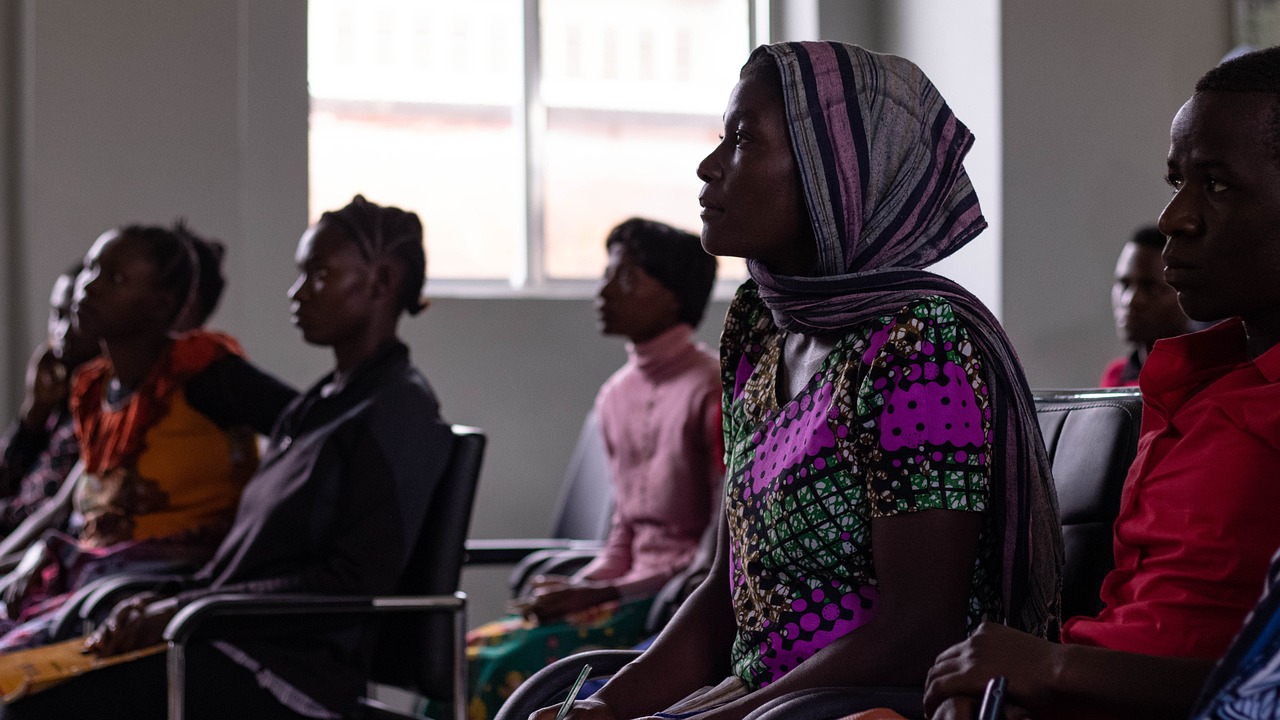
Technology has become a powerful force for change, reshaping how we address inequality and create opportunities for underserved communities worldwide. As digital innovation accelerates, the potential to bridge socioeconomic gaps has never been more promising.

The global landscape of inequality presents both challenges and opportunities. While economic disparities continue to widen in many regions, innovative technological solutions are emerging as catalysts for positive transformation. From mobile banking platforms reaching the unbanked to educational apps democratizing learning, technology is rewriting the narrative of social mobility and economic inclusion.
🌍 Understanding the Digital Divide and Its Real-World Impact
The digital divide represents more than just access to computers and internet connectivity. It encompasses a complex web of barriers including affordability, digital literacy, relevant content, and infrastructure limitations. According to recent data, approximately 2.7 billion people remain offline globally, with the majority living in developing nations and rural areas.
This technological gap translates directly into economic disadvantage. Communities without adequate digital access face reduced employment opportunities, limited educational resources, restricted healthcare services, and diminished civic participation. The COVID-19 pandemic dramatically highlighted these disparities, as remote work, online education, and telemedicine became necessities rather than conveniences.
However, the narrative isn’t entirely bleak. The decreasing cost of mobile devices, expanding internet infrastructure, and innovative software solutions designed specifically for low-resource environments are creating unprecedented opportunities for technological inclusion.
💡 Financial Inclusion Through Mobile Technology
Perhaps nowhere is technology’s equalizing potential more evident than in financial services. Mobile money platforms have revolutionized banking access for millions who previously operated entirely in cash economies. In sub-Saharan Africa, mobile money accounts now outnumber traditional bank accounts, enabling small business transactions, remittances, and savings in regions where brick-and-mortar banks are impractical.
M-Pesa, launched in Kenya in 2007, pioneered this revolution and now serves over 50 million users across multiple African countries. The platform allows users to deposit, withdraw, transfer money, and pay for goods using only a mobile phone, no smartphone required. This basic technology has lifted countless individuals out of the informal economy and into documented financial systems.
Microfinance and Digital Lending Platforms
Building on mobile money success, digital microfinance platforms are extending credit to populations traditionally excluded from formal banking. Using alternative data points—such as mobile phone usage patterns, utility payments, and social connections—these platforms assess creditworthiness without requiring traditional collateral or credit histories.
Tala, operating across Kenya, Philippines, Mexico, and India, has disbursed over $2 billion in loans to underserved populations. Branch International follows a similar model, using smartphone data to create credit profiles for first-time borrowers. These platforms charge transparent fees, build credit histories for users, and gradually increase borrowing limits as repayment patterns prove reliable.
📚 Educational Technology Breaking Down Barriers
Education remains the most reliable pathway out of poverty, and technology is dramatically expanding access to quality learning resources. Massive Open Online Courses (MOOCs), educational apps, and digital libraries are bringing world-class instruction to anyone with internet connectivity.
Khan Academy has provided free, comprehensive educational content to over 120 million learners globally, covering subjects from basic arithmetic to advanced calculus, programming, and humanities. The platform’s adaptive learning technology personalizes instruction, allowing students to progress at their own pace—a crucial feature for learners juggling education with work or family responsibilities.
Localized Learning Solutions for Maximum Impact
While global platforms offer tremendous value, locally-developed educational technologies often achieve deeper impact by addressing specific linguistic, cultural, and infrastructural realities. Eneza Education in Kenya delivers curriculum-aligned content via basic mobile phones using SMS and USSD technology, reaching students in areas with limited smartphone penetration and unreliable internet.
In India, BYJU’S has become the world’s most valuable edtech company by creating engaging, vernacular-language content tailored to the Indian curriculum. The platform combines video lessons, interactive simulations, and personalized assessments, serving over 100 million registered students.
🏥 Healthcare Access Through Digital Innovation
Healthcare disparities represent some of the starkest manifestations of socioeconomic inequality. Technology is addressing these gaps through telemedicine platforms, diagnostic tools, and health information systems that extend medical expertise beyond urban centers and expensive facilities.
Telemedicine applications connect patients in remote or underserved areas with qualified healthcare providers via video consultation, chat, or phone. During the pandemic, these platforms experienced explosive growth, but their lasting value lies in providing ongoing access to specialist care for populations that would otherwise face prohibitive travel costs and time barriers.
AI-Powered Diagnostics and Health Monitoring
Artificial intelligence is democratizing diagnostic capabilities previously available only in well-equipped medical facilities. AI algorithms can now analyze medical images for signs of diseases like tuberculosis, diabetic retinopathy, and various cancers with accuracy comparable to specialist physicians. These tools are particularly transformative in regions with severe shortages of trained medical professionals.
Portable diagnostic devices paired with smartphone apps enable community health workers to conduct sophisticated medical assessments in village settings. Devices measuring vital signs, performing blood analysis, and conducting ultrasounds now fit in backpacks and connect wirelessly to mobile phones, bringing laboratory-quality diagnostics to patients’ doorsteps.
🌾 Agricultural Technology Empowering Rural Communities
Agriculture employs over 25% of the global workforce, predominantly in developing nations where small-holder farmers operate on thin margins with limited access to information, markets, and resources. Agricultural technology—or agtech—is transforming this landscape through data-driven insights, market connectivity, and precision farming techniques.
Weather forecasting apps help farmers optimize planting and harvesting schedules, reducing crop losses from unexpected weather events. Market price information platforms eliminate exploitative middlemen by connecting farmers directly with buyers and providing real-time commodity pricing. Digital extension services deliver best-practice farming techniques via video and audio content in local languages.
Digital Marketplaces Connecting Producers and Consumers
Platforms like Twiga Foods in Kenya have created efficient supply chains connecting smallholder farmers directly with urban retailers, ensuring fair prices for producers while reducing costs for vendors. The platform handles logistics, quality control, and payments digitally, bringing transparency and efficiency to traditionally fragmented markets.
Similarly, eFishery in Indonesia provides automated feeding systems for fish farmers paired with a digital platform offering financing, market access, and aquaculture guidance. These integrated solutions address multiple pain points simultaneously, maximizing impact for participating farmers.
💼 Skills Development and Employment Platforms
The transition to digital economies creates both disruption and opportunity. While automation threatens certain traditional jobs, new employment categories emerge constantly. Technology platforms are bridging this transition by providing skills training, job matching, and gig economy access to populations previously locked out of formal employment.
Andela, originally focused on Africa, trains software developers in emerging markets and connects them with global tech companies seeking talent. The platform has demonstrated that with proper training and opportunity, developers from any background can compete in the global technology marketplace.
Gig Economy Platforms Creating Flexible Income Opportunities
While gig economy platforms face legitimate criticism regarding worker protections and benefits, they undeniably provide income opportunities for individuals facing barriers to traditional employment. Platforms connecting freelancers with short-term projects, delivery services, or ride-sharing enable flexible earning that accommodates caregiving responsibilities, education, or supplemental income needs.
In developing economies, these platforms often represent formalization of work previously conducted entirely informally, bringing workers into documented economic systems with potential for skill development and income growth.
🏘️ Smart Cities and Inclusive Urban Development
As urbanization accelerates globally, smart city technologies offer opportunities to create more equitable urban environments. Digital systems managing transportation, utilities, public services, and governance can be designed to prioritize accessibility and affordability for all residents, not just wealthy neighborhoods.
Intelligent transportation systems can optimize bus routes to serve underserved communities efficiently. Digital identity systems can streamline access to government services, reducing bureaucratic barriers that disproportionately affect poor and marginalized populations. Public WiFi initiatives can expand internet access in low-income neighborhoods.
Participatory Technology for Civic Engagement
Digital platforms are enabling more inclusive governance by facilitating citizen participation in planning and decision-making processes. Mobile apps allow residents to report infrastructure problems, provide feedback on public services, and participate in budget allocation discussions. These tools can amplify voices traditionally excluded from policy conversations.
🔐 Addressing Privacy, Security, and Digital Rights
As technology becomes increasingly central to accessing opportunities and services, digital rights and protections become equity issues. Data privacy, algorithmic bias, and cybersecurity disproportionately affect vulnerable populations who may lack resources to protect themselves or seek recourse when harmed.
Responsible tech solutions must incorporate privacy-by-design principles, transparent algorithms, and accessible security features. Regulatory frameworks should protect users without stifling innovation, ensuring that technological progress serves rather than exploits underserved communities.
🤝 Multi-Stakeholder Collaboration for Sustainable Impact
Achieving technological equity requires coordinated effort across governments, private sector, civil society, and communities themselves. Successful initiatives typically involve public-private partnerships that leverage commercial innovation while ensuring public interest priorities.
Governments must create enabling policy environments including spectrum allocation for connectivity, regulatory frameworks encouraging innovation, and public investment in digital infrastructure. Private companies contribute technical expertise, scalable platforms, and sustainable business models. Civil society organizations provide crucial intermediation, ensuring solutions address actual community needs rather than imagined ones.
The Critical Role of Community Participation
Technology solutions imposed from outside rarely achieve lasting impact. Meaningful community participation in design, implementation, and governance ensures solutions address real needs, respect local contexts, and build rather than undermine existing social structures. Co-creation approaches that treat community members as partners rather than beneficiaries consistently outperform top-down interventions.
🚀 Emerging Technologies and Future Possibilities
Looking forward, several emerging technologies hold particular promise for advancing equity. Blockchain technologies could create transparent, tamper-proof land registries protecting property rights in countries with weak legal systems. Virtual and augmented reality could provide immersive training experiences for vocational skills. Internet of Things sensors could monitor environmental conditions, infrastructure quality, and public health indicators in real-time, enabling rapid responses to emerging problems.
However, these technologies will only advance equity if deliberately designed and deployed with that objective. Without intentional focus on inclusion, technological progress risks widening rather than narrowing existing divides.

🌟 Building a Truly Inclusive Digital Future
Technology alone cannot solve deeply rooted socioeconomic inequality, but it represents a powerful tool when wielded intentionally toward that goal. The innovations already deployed demonstrate technology’s capacity to extend opportunities, amplify voices, and create pathways out of poverty for millions.
Realizing technology’s full equity potential requires sustained commitment to universal connectivity, digital literacy, locally-relevant solutions, and protection of digital rights. It demands business models that balance profitability with social impact, and governance frameworks that ensure benefits reach those most in need.
The digital revolution will define our collective future. Whether that future is more or less equitable depends on choices we make today about how technology is developed, deployed, and regulated. By centering equity in technological innovation, we can build digital ecosystems that truly empower all people regardless of geography, income, education, or background.
The path forward requires optimism tempered with realism, innovation guided by ethics, and progress measured not by technological sophistication but by human flourishing. With intentional effort and sustained commitment, technology can indeed bridge socioeconomic divides and create the inclusive future we collectively envision.