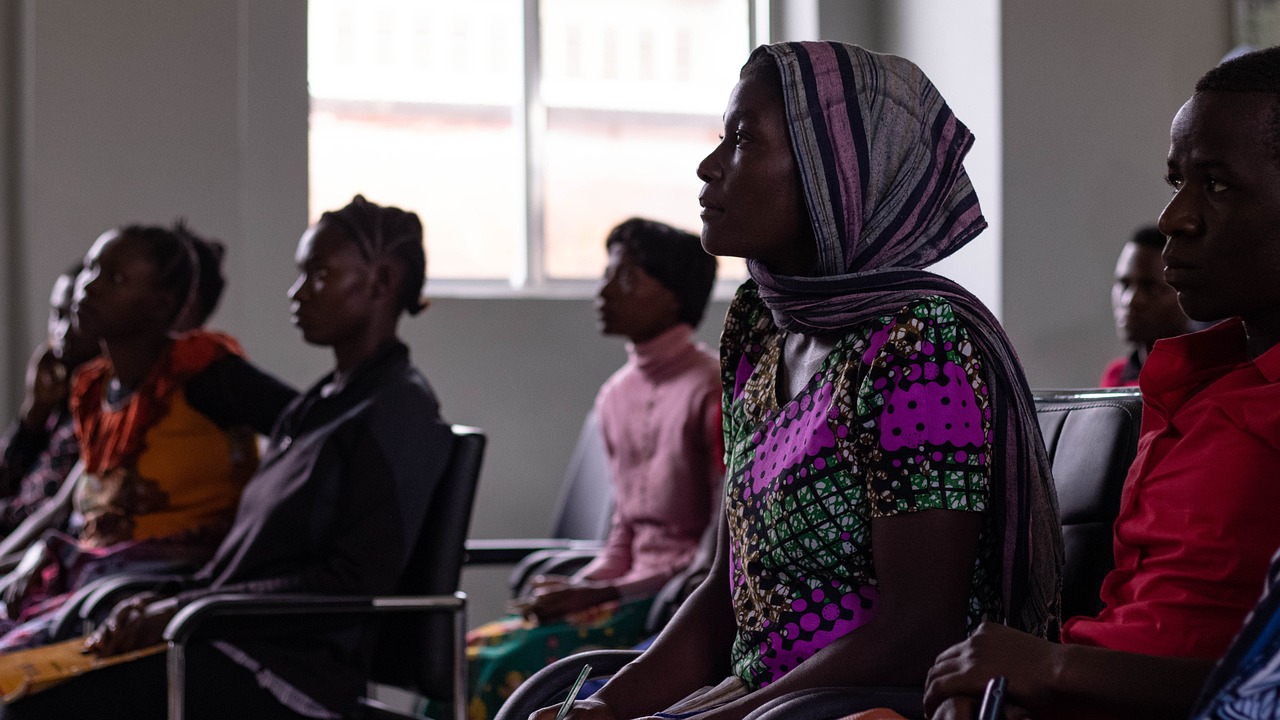
In an era where digital connections often overshadow face-to-face interactions, communities are rediscovering the transformative power of local skill-sharing and mutual aid networks.

These grassroots movements are reshaping how neighbors support one another, creating resilient networks that strengthen social bonds while addressing practical needs. By pooling knowledge, talents, and resources, communities worldwide are proving that collaboration isn’t just beneficial—it’s essential for thriving neighborhoods. This approach to community building offers a refreshing alternative to transactional relationships, fostering genuine connections that enhance quality of life for everyone involved.
🤝 Understanding the Foundation of Mutual Aid Networks
Mutual aid represents a fundamental shift from charity-based models to reciprocal support systems where everyone contributes according to their abilities and receives according to their needs. Unlike traditional charitable organizations with hierarchical structures, mutual aid networks operate on principles of solidarity, voluntary participation, and horizontal organization.
These networks recognize that every community member possesses valuable skills, knowledge, or resources worth sharing. A retired teacher might offer tutoring services, while a younger neighbor provides tech support. A gardener shares surplus produce, and someone with carpentry skills helps with home repairs. This exchange creates a web of interdependence that strengthens community resilience.
The beauty of mutual aid lies in its flexibility and accessibility. There are no formal barriers to entry, no means testing, and no stigma attached to asking for or receiving help. This approach acknowledges that everyone experiences vulnerability at different times and that supporting one another is both practical and dignifying.
Historical Roots and Modern Applications
Mutual aid isn’t a new concept—it has deep historical roots in immigrant communities, labor movements, and Indigenous societies. These groups understood survival often depended on collective effort rather than individual achievement. From rotating credit associations to barn-raising traditions, humans have always recognized the power of pooling resources.
Today’s mutual aid networks adapt these time-tested principles to contemporary challenges. Whether responding to natural disasters, economic hardship, or social isolation, communities are revitalizing these practices with modern communication tools and organizational strategies.
🎯 The Tangible Benefits of Local Skill-Sharing
Local skill-sharing initiatives create measurable impacts that extend far beyond the immediate exchange of services. These programs address multiple community needs simultaneously, creating a ripple effect of positive outcomes.
Economic benefits are among the most visible advantages. When neighbors exchange skills rather than purchasing services, household expenses decrease while valuable knowledge circulates within the community. A single skill-sharing session might save someone hundreds of dollars while empowering them with new capabilities they can use repeatedly.
Social isolation, particularly among elderly populations and new residents, diminishes significantly when regular skill-sharing interactions occur. These exchanges provide natural opportunities for conversation, relationship-building, and integration into community life. Loneliness decreases as people develop genuine friendships rooted in shared experiences and mutual support.
Building Individual Confidence and Collective Capacity
Skill-sharing cultivates individual confidence by validating people’s knowledge and abilities. When someone teaches a skill, they experience recognition for their expertise, boosting self-esteem and sense of purpose. Learners gain practical abilities that increase their self-sufficiency and problem-solving capacity.
Communities that embrace skill-sharing develop deeper reservoirs of collective knowledge. This distributed expertise means neighborhoods become less dependent on external services for routine tasks and minor issues. When emergencies arise, community members can draw upon this shared knowledge base to respond effectively.
🛠️ Practical Strategies for Launching Skill-Sharing Initiatives
Starting a skill-sharing network requires thoughtful planning but doesn’t demand extensive resources or complicated infrastructure. Begin by identifying community members willing to participate and conducting an informal skills inventory to understand what knowledge exists within your neighborhood.
Create accessible communication channels that match your community’s preferences and technological comfort levels. This might include physical bulletin boards in community centers, social media groups, messaging apps, or dedicated platforms designed for skill-sharing coordination.
Structuring Effective Exchanges
Successful skill-sharing networks establish clear but flexible guidelines that maintain safety while encouraging participation. Consider implementing these foundational practices:
- Develop a simple registration process that helps match skills with needs while respecting privacy
- Create optional skill verification methods for sensitive areas like childcare or health-related services
- Establish community agreements about expectations, boundaries, and communication
- Design feedback mechanisms that build trust and accountability within the network
- Organize regular gatherings where participants can connect beyond individual exchanges
Time banking systems offer one structured approach where participants earn credits for services provided and spend credits receiving services from others. This formalized exchange helps some communities track contributions and maintain balance, though many networks prefer more informal arrangements based purely on reciprocity and goodwill.
📱 Leveraging Technology for Community Connection
Digital tools can significantly enhance local skill-sharing and mutual aid networks when implemented thoughtfully. The key is selecting technologies that reduce barriers rather than create them, ensuring all community members can participate regardless of technical expertise.
Messaging platforms facilitate quick coordination and real-time responses to urgent needs. Community groups on these platforms allow members to post requests, offer assistance, and share updates about collective projects. However, it’s essential to maintain alternative communication methods for those without smartphones or reliable internet access.
Dedicated mutual aid apps provide features specifically designed for community support networks. These platforms often include skills directories, scheduling tools, request tracking, and privacy protections that general social media platforms lack.
Neighborhood-specific apps like Nextdoor can serve as starting points for skill-sharing initiatives, though it’s important to establish dedicated spaces within these platforms focused specifically on mutual aid to prevent requests from getting lost among other neighborhood discussions.
Balancing Digital and In-Person Engagement
While technology facilitates coordination, the heart of skill-sharing remains face-to-face interaction. Organize regular in-person gatherings such as repair cafes, skill swap events, or community workshops where people can meet, learn, and build relationships beyond screens.
These physical gatherings create opportunities for spontaneous knowledge exchange that digital platforms cannot replicate. Someone might attend a gardening workshop and discover a neighbor with plumbing expertise, leading to a beneficial exchange that wouldn’t have occurred through online matching alone.
🌱 Creating Inclusive and Accessible Networks
The most effective mutual aid networks actively work to include all community members, particularly those historically marginalized or underserved. Accessibility should be intentionally designed into every aspect of the network rather than added as an afterthought.
Language accessibility is crucial in multicultural communities. Provide materials and communication in multiple languages, and facilitate skill exchanges that transcend language barriers through demonstration-based learning and visual aids. Multilingual community members can serve as bridges, helping coordinate exchanges across language groups.
Physical accessibility ensures people with disabilities can fully participate. Hold gatherings in wheelchair-accessible locations, offer transportation assistance, and recognize that some skills can be shared virtually for those with mobility limitations. Consider how different disabilities might affect participation and proactively address these barriers.
Addressing Economic and Cultural Barriers
Economic diversity within skill-sharing networks strengthens communities but requires sensitivity to different circumstances. Avoid assumptions about what people can contribute, recognizing that valuable skills exist across all income levels. Someone experiencing homelessness might possess extensive mechanical knowledge, while a wealthy professional might need basic cooking instruction.
Cultural competence matters significantly in diverse communities. Different cultures have varying norms around asking for help, reciprocity, and appropriate interactions between genders or age groups. Engage community cultural leaders in designing network structures that respect these differences while building bridges across cultural boundaries.
💪 Sustaining Momentum and Preventing Burnout
Long-term success of skill-sharing networks depends on distributing responsibility and preventing coordinator burnout. Rotating leadership roles ensures fresh perspectives while preventing exhaustion among founding members. Establish core teams rather than relying on single individuals to manage all coordination.
Celebrate successes publicly and frequently. Share stories of successful skill exchanges, highlight community members who make significant contributions, and document the collective impact of the network. These celebrations reinforce the value of participation and inspire continued engagement.
Build redundancy into organizational structures so the network can continue functioning if key volunteers become unavailable. Document processes, maintain updated contact lists, and cross-train multiple people on essential coordination tasks.
Recognizing and Addressing Challenges
Every mutual aid network encounters challenges ranging from mismatched expectations to interpersonal conflicts. Establish clear conflict resolution processes before problems arise, designating neutral community members who can mediate disputes when necessary.
Manage expectations about reciprocity carefully. While the ideal is balanced exchange, some community members will consistently give more than they receive, while others need more support than they can currently provide. Frame this as natural and acceptable rather than problematic, emphasizing that circumstances change and balance occurs over time and across the entire network rather than in individual relationships.
🏘️ Scaling Impact Through Network Connections
Individual neighborhood skill-sharing networks gain strength by connecting with similar initiatives in other communities. These connections enable resource sharing, knowledge exchange about effective practices, and coordinated responses to challenges affecting multiple neighborhoods.
Regional gatherings of mutual aid organizers create opportunities to learn from one another’s successes and failures. These convenings help prevent duplication of effort while spreading innovative approaches across communities. Documentation and open sharing of organizational templates, communication strategies, and lessons learned accelerate the growth of the broader movement.
Partner with established community organizations, libraries, schools, and faith communities to expand reach and resources. These institutions often have physical spaces, communication channels, and trust within specific demographic groups that skill-sharing networks can leverage while offering these partners new ways to fulfill their missions.
🌍 Environmental and Economic Resilience Through Sharing
Skill-sharing contributes significantly to environmental sustainability by reducing consumption and extending the lifespan of goods. When community members can repair rather than replace broken items, share tools instead of each buying their own, and exchange services locally rather than driving to distant businesses, the environmental impact multiplies across numerous daily decisions.
Repair cafes and tool libraries exemplify this environmental benefit while building community. These initiatives gather people with repair skills alongside those needing assistance, creating social events around extending product lifespans. Participants leave with functional items, new knowledge, and relationships with neighbors.
Economic resilience grows as communities develop greater self-sufficiency. Neighborhoods where residents possess diverse skills and willingness to share them weather economic downturns more successfully because they depend less on external services requiring cash payment. This local economic circulation keeps resources within communities while building wealth through skill development rather than pure financial accumulation.
🎓 Intergenerational Knowledge Transfer
Skill-sharing networks create natural opportunities for intergenerational connection, addressing the isolation many elderly people experience while preserving valuable traditional knowledge. Older adults often possess skills increasingly rare among younger generations—from traditional crafts and food preservation to mechanical repair techniques predating planned obsolescence.
Younger community members bring different but equally valuable knowledge, particularly around digital technologies, contemporary communication strategies, and emerging sustainable practices. Creating structured opportunities for bidirectional learning honors all participants as both teachers and students.
Youth engagement in skill-sharing builds confidence, practical abilities, and community connection during formative years. Young people who grow up participating in mutual aid networks internalize collaborative values and develop extensive practical skills alongside formal education. These experiences shape their understanding of community responsibility and interdependence.
🔄 Expanding Beyond Skills to Comprehensive Mutual Aid
While skill-sharing forms the foundation, many networks naturally expand into broader mutual aid addressing diverse community needs. This might include food sharing programs, emergency response coordination, collective childcare arrangements, transportation assistance, or emotional support networks.
This expansion should occur organically based on community needs and available capacity rather than forced growth. Each new dimension of mutual aid requires additional coordination and should be undertaken deliberately with community input about priorities and sustainable implementation.
Comprehensive mutual aid networks become crucial during crises—whether natural disasters, pandemics, or economic collapses. Communities with established support systems and coordination mechanisms can mobilize rapidly to address emergency needs because relationships, communication channels, and collaborative practices already exist.
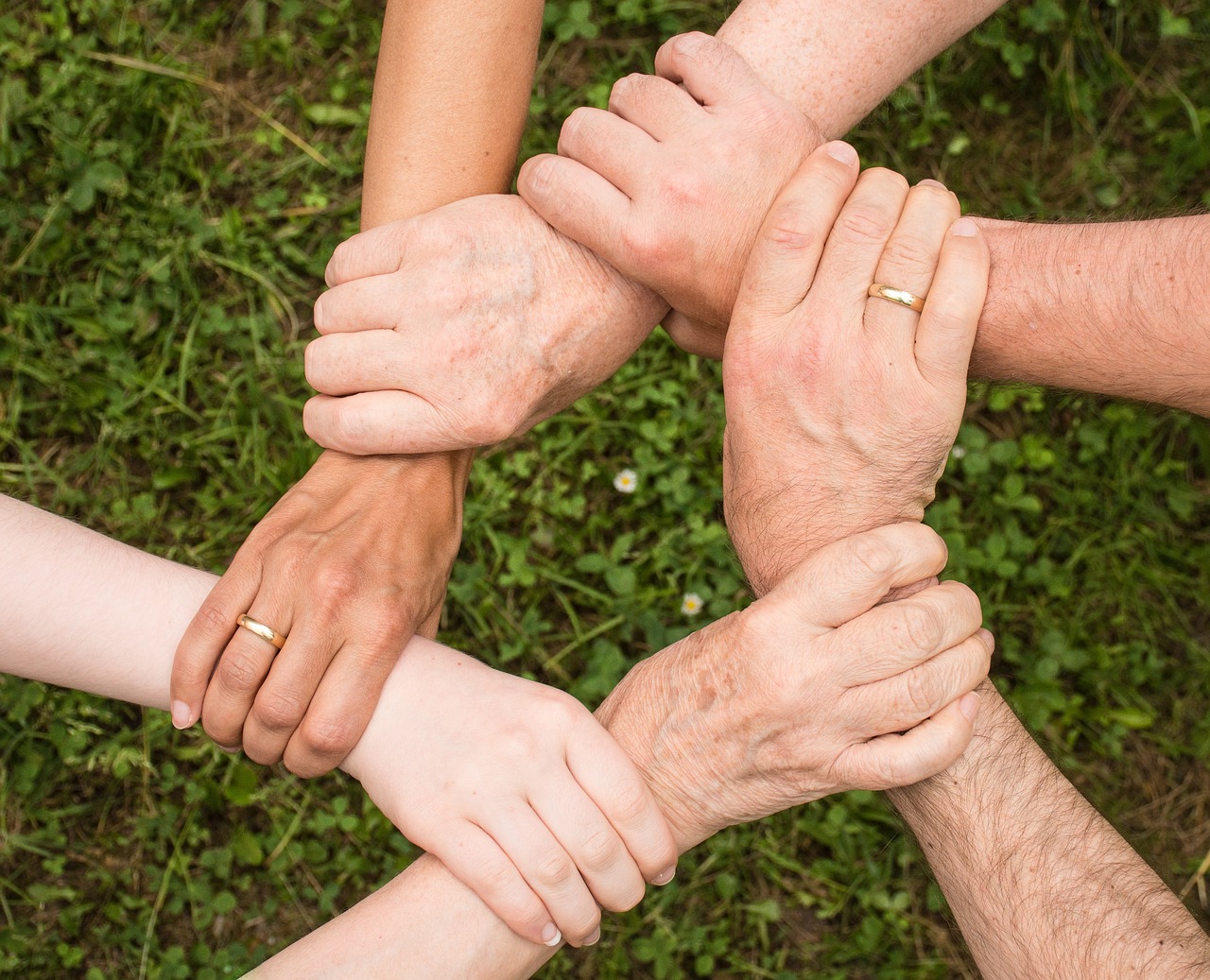
🚀 Transforming Communities One Exchange at a Time
The transformation that skill-sharing and mutual aid brings to communities extends far beyond practical service exchanges. These networks fundamentally reshape how people understand their relationship to neighbors and their role within community life. Participants shift from passive consumers of services to active contributors within collaborative systems.
This shift cultivates agency and empowerment. People discover they possess valuable knowledge others need and can contribute meaningfully to community wellbeing regardless of their economic circumstances. This recognition transforms self-perception and community engagement.
Communities with vibrant skill-sharing networks report increased civic participation, greater social cohesion, and stronger collective efficacy. When people experience the power of collaboration on immediate practical matters, they develop confidence in their ability to address larger community challenges collectively. This foundation of trust and cooperation enables ambitious collective projects that isolated individuals could never achieve.
The ultimate impact of local skill-sharing and mutual aid extends beyond any single community. As these networks proliferate and connect, they model alternative economic and social arrangements based on cooperation rather than competition, sufficiency rather than endless growth, and human connection rather than isolated consumption. In neighborhoods worldwide, people are rediscovering ancient wisdom: we are stronger together, and everyone has something valuable to contribute to collective flourishing.