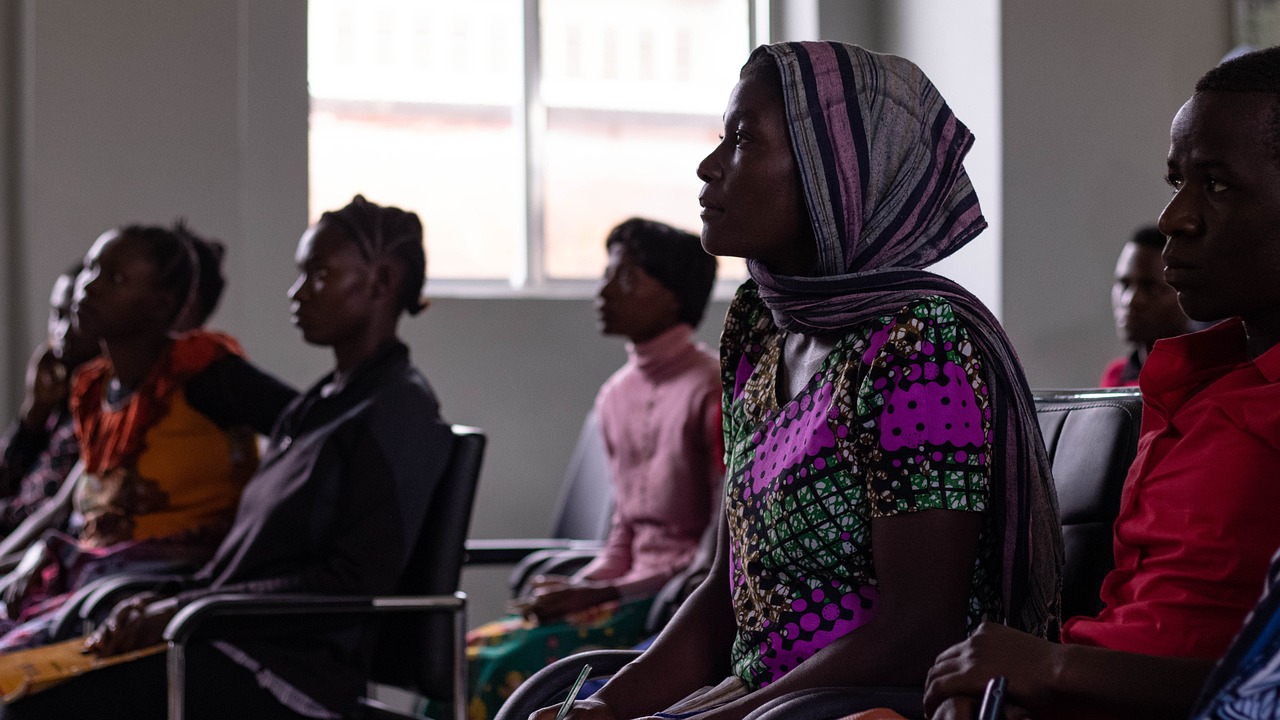
Public health challenges demand innovative solutions that reach beyond traditional medical settings. Peer-education programs powered by trained community ambassadors have emerged as transformative forces in health promotion, creating ripple effects that strengthen entire communities from within.

These grassroots initiatives leverage the power of shared experiences, cultural understanding, and trusted relationships to deliver health information where it matters most. By training community members to become health ambassadors, public health organizations are building sustainable networks of change-makers who speak the language, understand the challenges, and embody the values of the populations they serve.
🌟 The Foundation of Peer-Education in Public Health
Peer-education represents a paradigm shift in how we approach health promotion and disease prevention. Unlike traditional top-down models where healthcare professionals deliver information to passive recipients, peer-education creates horizontal communication channels where community members actively engage with and learn from their equals.
The concept rests on a simple yet powerful premise: people are more likely to trust, understand, and act upon health information when it comes from someone who shares their background, speaks their language, and understands their lived experiences. This relatability factor breaks down barriers that often prevent critical health messages from reaching vulnerable populations.
Research consistently demonstrates that peer-led interventions achieve higher engagement rates, better information retention, and more sustained behavior change compared to conventional approaches. The authenticity and credibility that peer educators bring to their work cannot be replicated through professional credentials alone.
Building Trust Through Shared Identity
Trust forms the cornerstone of effective health communication. Public health ambassadors naturally possess what healthcare institutions spend years trying to build: genuine community trust. When a neighbor, colleague, or fellow community member shares health information, it carries implicit endorsement and removes the skepticism that sometimes accompanies messages from external authorities.
This trust becomes particularly crucial when addressing sensitive health topics such as sexual health, mental wellness, substance use, or chronic disease management. Peer educators create safe spaces for honest conversations that might never occur in clinical settings.
💪 Training Community Champions: The Ambassador Development Process
Creating effective public health ambassadors requires comprehensive training programs that balance technical knowledge with communication skills and cultural competency. Successful programs invest significant resources in preparing ambassadors for their roles as health advocates and change agents.
The training curriculum typically encompasses several core components designed to equip ambassadors with both knowledge and practical skills. This preparation ensures that volunteers can confidently and accurately communicate health information while adapting their approach to diverse audiences and situations.
Essential Components of Ambassador Training
- Health content expertise: Detailed education on specific health topics including disease prevention, health promotion strategies, and available community resources
- Communication techniques: Skills in active listening, motivational interviewing, public speaking, and facilitating difficult conversations
- Cultural competency: Understanding how to navigate cultural sensitivities, language barriers, and diverse belief systems regarding health
- Ethical boundaries: Clear guidelines on scope of practice, confidentiality, referral protocols, and recognizing situations requiring professional intervention
- Educational methodologies: Training in interactive teaching methods, demonstration techniques, and using visual aids effectively
- Self-care strategies: Tools for managing emotional impacts of community work and preventing burnout
Quality training programs also incorporate supervised practice opportunities where trainees can develop confidence and receive constructive feedback before engaging with the broader community. This scaffolded approach ensures ambassadors feel prepared and supported as they begin their outreach work.
📱 Leveraging Technology to Amplify Peer Education Impact
Digital tools have revolutionized how peer educators connect with communities, track their impact, and access up-to-date health information. Mobile applications, social media platforms, and virtual communication channels extend the reach of peer-education programs far beyond face-to-face interactions.
Many public health initiatives now equip ambassadors with digital resources that streamline their work. These tools help track outreach activities, provide instant access to evidence-based health information, and facilitate connections between ambassadors and program coordinators. Technology bridges geographical gaps and enables peer educators to maintain ongoing relationships with community members through multiple touchpoints.
Social media platforms have become particularly powerful channels for health ambassadors to share information, answer questions, and build supportive online communities. These digital spaces complement in-person education by providing continuous access to health resources and peer support networks.
🎯 Targeted Approaches: Addressing Specific Health Challenges
Effective peer-education programs tailor their approaches to address the unique health challenges facing specific populations. This targeted strategy ensures that resources are deployed efficiently and messages resonate with intended audiences.
Chronic Disease Management and Prevention
Peer educators play vital roles in supporting communities disproportionately affected by chronic conditions like diabetes, hypertension, and heart disease. Ambassadors who themselves live with these conditions bring invaluable insights about daily management challenges, medication adherence strategies, and navigating healthcare systems.
These programs often include components like cooking demonstrations, exercise groups, and medication management workshops. Peer educators help demystify complex medical information and translate clinical recommendations into practical, culturally appropriate lifestyle modifications.
Mental Health Awareness and Stigma Reduction
Mental health peer ambassadors courageously share their recovery journeys to normalize help-seeking behaviors and reduce pervasive stigma. Their lived experiences create powerful narratives that challenge misconceptions and demonstrate that recovery is possible.
These advocates educate communities about recognizing mental health warning signs, accessing treatment resources, and supporting loved ones experiencing mental health challenges. Their authenticity opens conversations that clinical professionals often struggle to initiate.
Maternal and Child Health
Community health workers and peer educators supporting maternal and child health address critical gaps in prenatal care, breastfeeding support, immunization education, and early childhood development. Mother-to-mother programs leverage the wisdom of experienced parents to support first-time mothers navigating the overwhelming postpartum period.
These programs prove particularly effective in reaching populations with limited healthcare access or cultural barriers that prevent engagement with traditional medical systems.
🌐 Measuring Impact: Evaluating Peer-Education Success
Demonstrating the effectiveness of peer-education programs requires robust evaluation frameworks that capture both quantitative outcomes and qualitative transformations. Comprehensive assessment strategies track multiple indicators of program success.
| Metric Category | Key Indicators | Measurement Methods |
|---|---|---|
| Reach | Number of individuals contacted, diversity of populations served, geographic coverage | Activity logs, demographic surveys, mapping tools |
| Knowledge Change | Pre/post education assessments, health literacy improvements | Questionnaires, interviews, focus groups |
| Behavior Change | Adoption of healthy practices, healthcare utilization patterns, screening participation | Self-reports, healthcare data, observation |
| Health Outcomes | Disease incidence, clinical measures, quality of life indicators | Medical records, clinical assessments, validated instruments |
| Community Capacity | Network development, resource sharing, collective efficacy | Social network analysis, community surveys |
Beyond these structured metrics, successful programs document compelling personal stories and testimonials that illustrate human impact. These narratives capture transformations that statistics alone cannot convey and prove invaluable for advocacy and program sustainability.
🚀 Overcoming Implementation Challenges
While peer-education programs offer tremendous potential, implementing them successfully requires navigating several common obstacles. Recognizing and proactively addressing these challenges strengthens program design and improves long-term sustainability.
Recruitment and Retention of Ambassadors
Finding committed volunteers who represent diverse community segments requires intentional recruitment strategies. Programs must offer meaningful incentives—whether financial stipends, continuing education opportunities, career development, or social recognition—to acknowledge the valuable contributions ambassadors make.
Retention depends on creating supportive environments where ambassadors feel valued, connected to a larger mission, and equipped with ongoing training and resources. Regular check-ins, peer support networks, and recognition ceremonies help maintain engagement and prevent burnout.
Ensuring Quality and Consistency
Maintaining consistent message quality across numerous peer educators presents inherent challenges. Programs address this through standardized training curricula, regular refresher sessions, quality assurance mechanisms, and ongoing supervision. Providing ambassadors with approved educational materials and communication tools helps ensure accuracy while allowing flexibility for personalization.
Navigating Scope of Practice Boundaries
Clearly defining what peer educators can and cannot do protects both ambassadors and community members. Effective programs establish explicit protocols for referring individuals to professional services when situations exceed peer education scope. This boundary-setting ensures safety while maximizing the unique value peer educators bring.
🌈 Fostering Sustainable Community Change
The most impactful peer-education programs transcend individual behavior change to catalyze broader community transformation. This systems-level impact occurs when peer education becomes embedded in community infrastructure and culture.
Sustainable programs build strong partnerships with schools, faith-based organizations, workplaces, and local government agencies. These collaborations amplify reach, diversify funding sources, and integrate health promotion into existing community structures. When multiple organizations coordinate their efforts, peer educators benefit from shared resources and communities receive consistent, reinforcing messages.
Creating pathways for ambassadors to assume leadership roles within program governance ensures that community voice shapes program direction. This participatory approach strengthens community ownership and responsiveness to emerging needs.
Policy Advocacy and Systems Change
Experienced peer educators often become powerful advocates for policy changes that address root causes of health inequities. Their grassroots credibility and firsthand knowledge of community needs make them compelling voices in policy discussions. Supporting ambassadors to engage in advocacy work extends their impact beyond individual education to systems-level transformation.
✨ The Multiplier Effect: How One Ambassador Influences Many
The true power of peer-education programs lies in their multiplier effect. Each trained ambassador doesn’t just directly educate individuals—they catalyze cascading change throughout their social networks. Research on social contagion demonstrates that behaviors, attitudes, and knowledge spread through social connections in predictable patterns.
When a community member receives health information from a trusted peer, they’re likely to share that information with family members, friends, and colleagues. These secondary and tertiary contacts create exponential reach that far exceeds direct program interactions. One ambassador might directly educate 50 people annually, but those 50 individuals might collectively influence hundreds more.
This ripple effect explains why peer-education programs often demonstrate impact that seems disproportionate to their resource investment. By strategically positioning ambassadors within diverse social networks, programs can efficiently reach populations that traditional health systems struggle to engage.
🔮 Future Directions: Innovation in Peer-Led Health Promotion
As public health challenges evolve, so too must peer-education approaches. Emerging trends point toward increasingly sophisticated, technology-enhanced, and integrated models that maximize community leadership while maintaining the authentic relationships at the heart of peer education.
Artificial intelligence and machine learning offer exciting possibilities for supporting peer educators with real-time information access, personalized educational content, and predictive analytics identifying high-risk populations. However, technology must enhance rather than replace the human connection that makes peer education effective.
Integration with healthcare delivery systems represents another frontier. Progressive health systems increasingly recognize peer educators as valuable members of care teams, compensating them fairly and incorporating their insights into clinical decision-making. This integration validates peer education’s contribution while improving healthcare cultural competency.
💡 Creating Your Own Community Ambassador Program
Organizations interested in launching peer-education initiatives should begin with thorough community assessment to identify priority health needs and existing assets. Engaging community members from the outset ensures programs address genuine priorities and build on community strengths rather than imposing external agendas.
Start small with pilot programs that allow testing and refinement before scaling. Document everything—successes, challenges, and lessons learned—to build an evidence base that informs expansion. Seek partnerships with established programs to learn from their experiences and avoid reinventing the wheel.
Most importantly, trust community members as experts in their own lives and equal partners in designing solutions. The most successful peer-education programs recognize that communities possess inherent wisdom and capacity for self-determination. External organizations serve best when they provide resources, training, and support while allowing community leadership to guide program direction.

🎓 Empowerment Through Knowledge Sharing
Public health ambassadors driving peer-education programs represent democracy in action—ordinary citizens taking responsibility for collective wellbeing and supporting neighbors to live healthier lives. These initiatives demonstrate that transformative change doesn’t always require massive budgets or sophisticated technology, but rather invested individuals armed with knowledge, empathy, and commitment to their communities.
As health systems worldwide grapple with escalating costs, workforce shortages, and persistent disparities, peer-education programs offer scalable, cost-effective, and culturally responsive solutions. They distribute health literacy throughout communities, reduce dependence on overstretched clinical services, and build resilient populations capable of managing their own health.
The future of public health lies not solely in medical breakthroughs or policy reforms, but equally in the relationships, trust, and collective action that peer educators cultivate daily. By empowering communities to become their own health champions, we create sustainable change that outlasts any single program or intervention. Every community possesses the raw materials for transformation—peer-education programs simply help organize, train, and support those natural change agents to fulfill their potential.
When we invest in public health ambassadors, we invest in community capacity, social capital, and collective efficacy. These investments yield dividends that compound across generations, creating healthier, more connected, and more empowered communities where everyone can thrive. The peer-education model proves that sometimes the most sophisticated solution is simply helping neighbors help neighbors—and trusting in the profound change that simple act can catalyze.