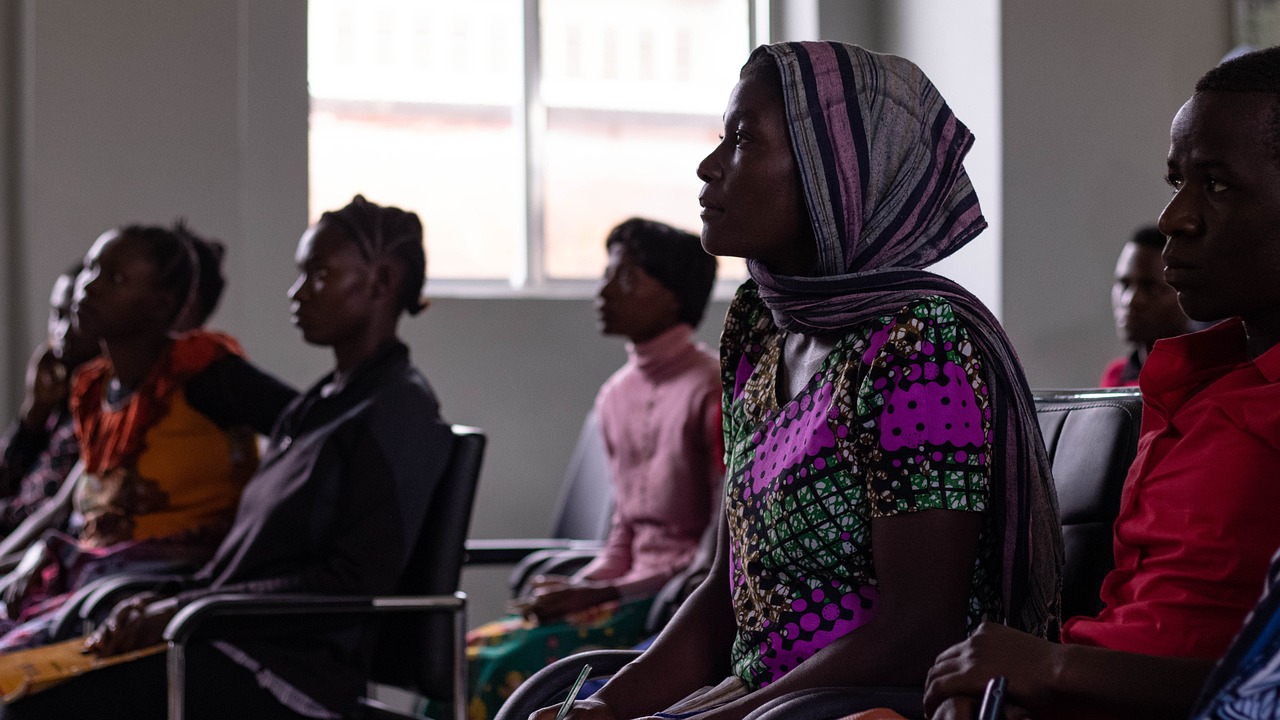
Natural disasters and emergencies strike without warning, leaving communities vulnerable and unprepared. Building resilient neighborhoods through empowered networks has become essential for survival, recovery, and long-term sustainability in our increasingly unpredictable world.

When disaster strikes, the strength of a community often determines who survives and who struggles. Resilient communities don’t emerge by accident—they’re built through intentional planning, strong relationships, and coordinated preparedness efforts. Neighborhood networks serve as the frontline defense against emergencies, creating a safety net that government agencies and first responders alone cannot provide. These grassroots connections transform isolated households into cohesive units capable of weathering any storm, whether natural or human-made.
🏘️ Understanding Community Resilience in the Face of Disasters
Community resilience represents the collective ability of neighborhoods to withstand, adapt to, and recover from adverse situations. This concept extends beyond individual preparedness to encompass the social fabric that binds neighbors together during crises. Resilient communities demonstrate characteristics such as strong social connections, diverse resources, effective communication channels, and adaptive capacity.
The foundation of resilient communities rests on trust and familiarity among residents. When neighbors know each other’s names, skills, and needs, they can respond more effectively during emergencies. This social capital becomes invaluable when traditional infrastructure fails or becomes overwhelmed. Research consistently shows that communities with robust social networks experience lower mortality rates during disasters and recover more quickly afterward.
Natural disasters including hurricanes, floods, earthquakes, wildfires, and tornadoes pose significant threats to communities worldwide. Additionally, technological failures, public health emergencies, and civil disturbances require coordinated neighborhood responses. Understanding these diverse threats helps communities prepare comprehensively rather than focusing on single scenarios.
The Power of Neighborhood Networks During Emergencies
Neighborhood networks operate as informal yet highly effective organizational structures that activate during crises. These networks leverage local knowledge, resources, and relationships to fill gaps in official emergency response systems. Unlike centralized emergency services that may take hours or days to reach affected areas, neighborhood networks respond immediately because they’re already in place.
Historical examples demonstrate the life-saving potential of strong neighborhood connections. During Hurricane Katrina, communities with established networks coordinated rescue efforts, shared supplies, and provided shelter when official channels failed. Similarly, during the 2011 Japan earthquake and tsunami, neighborhood associations played crucial roles in evacuation coordination and immediate disaster response.
These networks prove particularly valuable for vulnerable populations including elderly residents, people with disabilities, children, and those with language barriers. Neighbors who understand these special needs can ensure no one gets left behind during evacuations or recovery efforts.
Mapping Your Neighborhood’s Assets and Vulnerabilities
Effective disaster preparedness begins with thorough neighborhood assessment. Communities should conduct systematic surveys identifying local resources, skills, and potential hazards. This mapping process reveals hidden assets such as residents with medical training, construction expertise, multilingual capabilities, or access to emergency equipment.
Asset mapping should include physical resources like generators, water purification systems, communications equipment, and medical supplies. Equally important are human resources—the skills, knowledge, and capacities that residents can contribute during emergencies. Creating a confidential registry of these assets ensures quick mobilization when disaster strikes.
Vulnerability assessments complement asset mapping by identifying residents who may need additional assistance during emergencies. This includes documenting households with mobility challenges, medical dependencies, or communication barriers. Privacy considerations must be carefully balanced with preparedness needs, ensuring sensitive information remains secure while accessible to designated emergency coordinators.
📱 Building Communication Systems That Work When Everything Else Fails
Reliable communication represents the nervous system of resilient communities. During disasters, traditional communication infrastructure often fails due to power outages, network congestion, or physical damage. Successful neighborhood networks establish redundant communication pathways that function independently of vulnerable systems.
Multi-layered communication strategies combine modern technology with traditional methods. While smartphone apps and social media platforms provide convenience during normal times, communities must also develop low-tech alternatives including radio communication, written message boards, door-to-door check-ins, and visual signal systems.
Push-to-talk applications like Zello enable instant voice communication over internet connections, functioning similarly to walkie-talkies but with extended range. These tools prove invaluable for coordinating neighborhood response teams when cellular networks become overwhelmed. However, communities should never rely exclusively on internet-dependent technologies.
Amateur radio operators provide critical communication backbone during major disasters. Neighborhoods benefit tremendously from recruiting and training HAM radio operators who can maintain contact with emergency services and other communities when conventional systems fail. These operators form part of established emergency communication networks recognized by disaster response agencies.
Establishing Clear Emergency Communication Protocols
Communication systems only work when everyone understands how to use them. Neighborhoods should develop simple, clear protocols for emergency communication including designated communication hubs, check-in schedules, message relay systems, and priority communication hierarchies.
Regular drills test these communication systems under realistic conditions. Communities should practice scenarios where smartphones don’t work, where some residents cannot be reached electronically, and where information must spread through multiple relay points. These exercises reveal weaknesses and allow refinement before real emergencies occur.
Creating Inclusive Preparedness Training Programs
Knowledge represents the most portable and valuable resource during disasters. Comprehensive training programs equip neighborhood residents with skills that transform them from victims into responders. Effective training addresses diverse emergency scenarios while accommodating different learning styles, abilities, and schedules.
Core training topics should include first aid and CPR, fire suppression techniques, search and rescue basics, emergency shelter construction, water purification methods, and psychological first aid. Additionally, communities benefit from specialized training in hazards specific to their region such as earthquake response, flood mitigation, or wildfire defense.
Training programs succeed when they’re accessible and engaging. Offering sessions at various times, in multiple languages, and with childcare options ensures broader participation. Hands-on practice proves more effective than lectures alone—participants remember skills they’ve physically performed rather than merely heard described.
Building Youth Engagement in Disaster Preparedness
Young people represent untapped resources in many community preparedness initiatives. Youth possess energy, technological proficiency, and idealism that strengthen neighborhood resilience efforts. Programs that engage children and teenagers in age-appropriate preparedness activities create lifelong habits while expanding community capacity.
School-based disaster preparedness clubs, youth emergency response teams, and family preparedness challenges make resilience education relevant to younger generations. These initiatives also establish valuable connections between schools and neighborhoods, creating additional communication pathways during emergencies.
🤝 Organizing Neighborhood Emergency Response Teams
Formal neighborhood emergency response teams (NERTs) provide organizational structure for community resilience efforts. These volunteer teams receive standardized training in disaster response, enabling them to assist professional first responders or operate independently when professional help cannot reach their area.
Effective NERTs establish clear organizational structures with designated leaders, specific role assignments, and regular meeting schedules. Team structure typically includes coordinators for communication, medical response, search and rescue, logistics, and vulnerable population assistance. Redundancy in leadership ensures teams continue functioning if key members become unavailable.
Many municipalities offer free CERT (Community Emergency Response Team) training that provides standardized education in disaster response. These programs cover light search and rescue, fire suppression, medical operations, and team organization. Neighborhoods with multiple CERT-trained residents possess significantly enhanced disaster response capabilities.
Conducting Regular Drills and Exercises
Training without practice provides false confidence. Regular drills transform theoretical knowledge into practical capability while revealing gaps in preparedness plans. Effective exercises simulate realistic disaster conditions including communication failures, resource shortages, and time pressure.
Drill scenarios should vary to prepare teams for diverse emergencies. Tabletop exercises allow teams to discuss response strategies in low-stress environments, while full-scale simulations test actual mobilization and coordination. After-action reviews following each exercise identify strengths, weaknesses, and opportunities for improvement.
Developing Mutual Aid Networks and Resource Sharing Systems
Disasters consume resources rapidly. Communities that establish mutual aid networks before emergencies occur can pool resources, share expertise, and support each other during extended crises. These networks operate on principles of reciprocity and solidarity rather than monetary exchange.
Resource inventory systems help neighborhoods understand what supplies exist within their boundaries. Residents might agree to share generators, water storage, tools, medical supplies, or shelter space during emergencies. Written agreements clarify expectations while preserving neighborly relationships.
Time banking systems formalize skill and service exchanges within communities. Residents contribute their capabilities—whether childcare, medical knowledge, construction skills, or cooking—earning credits they can use to access others’ services. These systems strengthen community bonds while creating resilience infrastructure.
Creating Community Supply Caches
Centralized supply caches ensure critical resources remain accessible during disasters. Neighborhoods can collectively purchase or fundraise for emergency equipment including first aid supplies, water purification systems, portable radios, tools, and temporary shelter materials. Secure, distributed storage prevents single-point failures while keeping supplies accessible to response teams.
Rotating inventory management ensures supplies remain usable. Designated volunteers regularly inspect caches, replace expired items, and maintain equipment functionality. This ongoing stewardship also keeps preparedness visible in community consciousness during non-emergency periods.
🌍 Integrating with Official Emergency Management Systems
Strong neighborhood networks complement rather than replace professional emergency services. Effective integration with municipal emergency management creates force multiplication where community efforts enhance official response capabilities. This partnership requires understanding official systems, establishing formal relationships, and maintaining regular communication.
Local emergency management agencies typically welcome organized neighborhood groups. Communities should reach out to municipal emergency managers, introducing their networks and asking how they can best support official response efforts. Many jurisdictions provide guidance, training, and sometimes equipment to organized neighborhood groups.
Understanding the Incident Command System (ICS) helps neighborhood teams coordinate with professional responders. ICS provides standardized organizational structure and terminology that enables diverse groups to work together seamlessly. When neighborhood teams use ICS principles, they can integrate quickly into larger response operations.
Participating in Community Emergency Response Planning
Many municipalities develop comprehensive emergency operations plans that benefit from neighborhood input. Community representatives should participate in planning processes, ensuring plans reflect ground-level realities and neighborhood capabilities. This participation also helps neighborhoods understand official response priorities and timelines.
Local emergency planning committees often include seats for neighborhood representatives. Serving on these committees provides valuable networking opportunities, access to planning resources, and influence over policies affecting community resilience.
Addressing Special Needs and Vulnerable Populations
Truly resilient communities ensure no one gets left behind. Elderly residents, people with disabilities, those with chronic medical conditions, and socially isolated individuals require special consideration in disaster planning. Neighborhoods must develop inclusive strategies that protect these vulnerable populations.
Buddy systems pair vulnerable residents with nearby neighbors who commit to checking on them during emergencies. These relationships benefit from regular non-emergency contact, building trust and familiarity that proves invaluable during crises. Multiple buddies provide redundancy if primary contacts become unavailable.
Accessible communication and evacuation planning accommodates diverse needs. Information should be available in multiple languages and formats including large print, audio, and simplified language versions. Evacuation plans must account for mobility equipment, service animals, and medical devices requiring power.
Planning for Pets and Service Animals
Many households consider pets family members and refuse to evacuate without them. Disaster plans that ignore animal needs endanger both pets and their owners. Neighborhood preparedness should include identifying pet-friendly shelter options, organizing animal rescue capabilities, and storing emergency pet supplies.
Service animals receive special protections under law and must accompany their handlers to emergency shelters. Understanding these requirements prevents discrimination while ensuring proper accommodation planning.
💪 Sustaining Momentum Beyond the Initial Crisis
Community resilience requires long-term commitment rather than crisis-driven bursts of activity. Many neighborhood initiatives fade after initial enthusiasm wanes or when disasters don’t materialize as expected. Sustained resilience demands ongoing engagement, visible progress, and regular reinforcement.
Celebrating small victories maintains momentum. Neighborhoods should recognize preparedness milestones—completing training programs, conducting successful drills, recruiting new members, or securing equipment. Public acknowledgment of contributions encourages continued participation.
Integrating preparedness into regular community activities normalizes resilience building. Combining preparedness workshops with neighborhood social events, incorporating disaster themes into community festivals, or organizing preparedness competitions makes resilience fun rather than frightening.
Developing Youth Leadership Pipeline
Ensuring long-term sustainability requires cultivating next-generation leaders. Mentorship programs that pair experienced preparedness advocates with emerging leaders transfer knowledge while distributing responsibilities. Gradual leadership transition prevents organizational collapse when founding members move away or become inactive.
Youth leadership development programs create pathways for young community members to assume meaningful roles. As younger participants gain skills and experience, they refresh organizational energy while providing continuity.
Learning from Each Emergency to Strengthen Future Response
Every emergency provides learning opportunities. Resilient communities conduct thorough after-action reviews following disasters, near-misses, and drills. These assessments identify what worked well, what failed, and what improvements would enhance future response.
Honest evaluation requires psychologically safe environments where participants can acknowledge mistakes without fear of blame. Focus should remain on systemic improvements rather than individual criticism. Documenting lessons learned creates institutional memory that persists despite membership changes.
Implementing identified improvements demonstrates commitment to continuous enhancement. Communities should prioritize corrective actions, assign responsibility for implementation, and establish timelines for completion. Follow-up verification ensures improvements actually occur rather than remaining aspirational.
Leveraging Technology While Maintaining Low-Tech Backups
Modern technology offers powerful tools for disaster preparedness and response. Geographic information systems (GIS) enable sophisticated resource mapping. Social media platforms facilitate rapid information sharing. Cloud-based systems preserve critical data despite local infrastructure damage. However, technology dependency creates vulnerabilities that low-tech backups mitigate.
Balanced approaches combine technological advantages with resilient alternatives. Digital resource databases should have printed backups. Electronic communication systems should be supplemented with analog alternatives. GPS navigation should be paired with traditional map-reading skills.
Regular technology audits assess dependencies and identify single points of failure. Communities should question what happens when power fails, when internet connectivity disappears, when smartphone batteries die, and when servers become inaccessible. Answers reveal necessary backup systems.
Transforming Preparedness Into Community Identity
The most resilient communities integrate preparedness into their cultural identity. Rather than viewing disaster preparation as occasional projects, these neighborhoods embrace resilience as defining characteristics. Preparedness becomes part of what it means to belong to the community.
Visible symbols reinforce cultural identity. Neighborhood signs announcing “Disaster Ready Community,” yard signs indicating trained response team members, or community logos incorporating preparedness themes create shared identity. These symbols generate pride while signaling community values to newcomers.
Storytelling preserves community history and values. Sharing experiences from past emergencies, celebrating response successes, and honoring community heroes reinforces preparedness culture. These narratives provide inspiration during challenging times while instructing future generations.
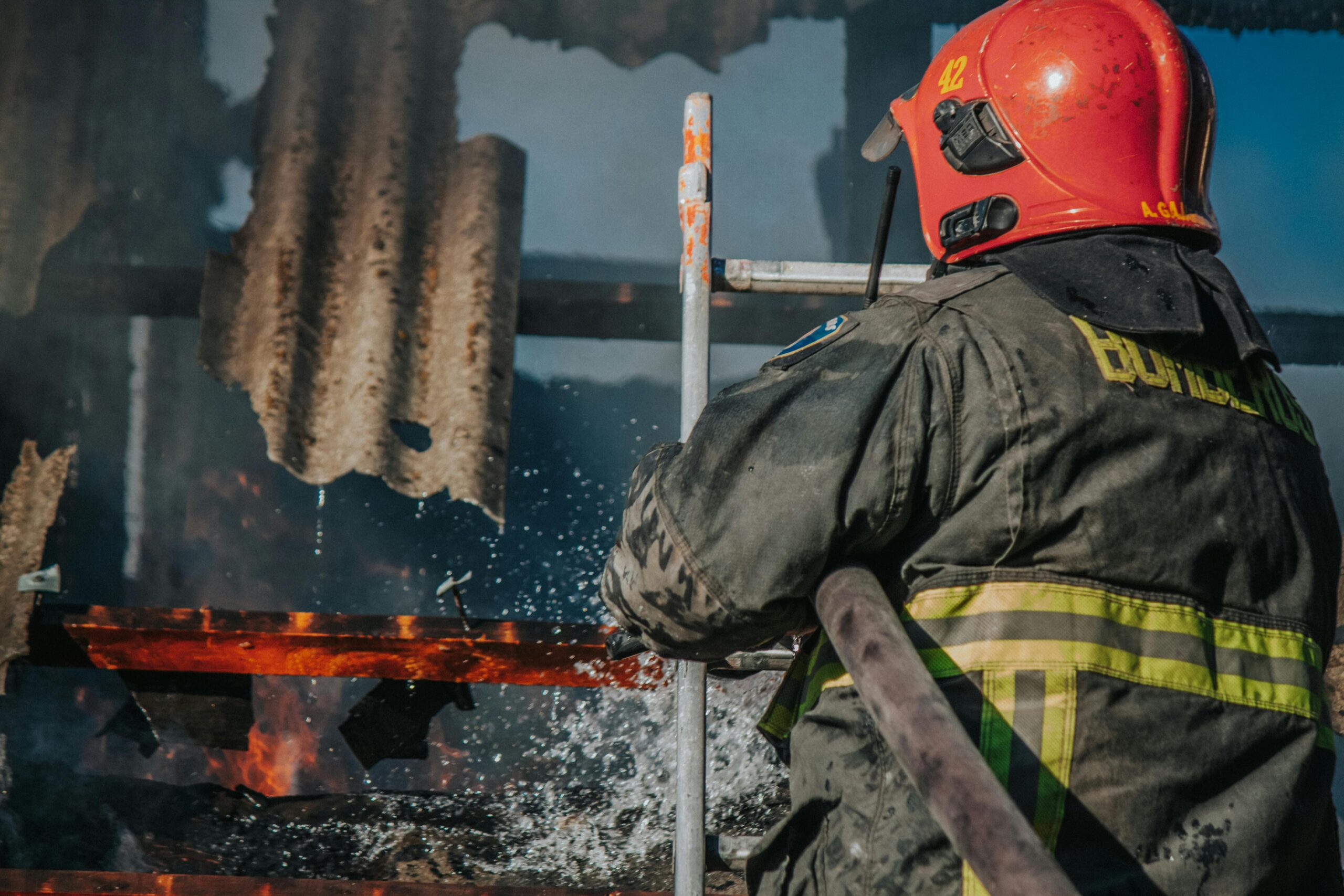
Building Bridges: Connecting Isolated Residents Into Resilient Networks
Modern society’s increasing isolation undermines community resilience. Many people don’t know their neighbors, creating dangerous vulnerability during disasters. Intentional bridge-building activities reconnect isolated residents into protective networks.
Low-stakes social events provide entry points for relationship building. Block parties, potluck dinners, community gardening projects, or neighborhood clean-up days bring residents together around positive activities. These gatherings create familiarity that enables cooperation during emergencies.
Door-to-door outreach reaches residents who won’t attend public events. Personal invitations demonstrate that participation matters while addressing individual concerns. Persistent, friendly outreach gradually expands network membership even among initially reluctant residents.
Creating Year-Round Engagement Opportunities
Disaster preparedness shouldn’t be the only reason neighbors interact. Communities with diverse engagement opportunities maintain stronger networks than single-purpose organizations. Book clubs, walking groups, skill-sharing workshops, and volunteer projects provide multiple connection points that strengthen overall resilience.
Successful communities recognize that building relationships during calm times creates the trust necessary for cooperation during chaos. Investment in social connection pays dividends far beyond emergency response, enhancing quality of life while building disaster resilience.
Building resilient communities through empowered neighborhood networks represents one of the most effective strategies for disaster preparedness and emergency response. These grassroots systems complement professional emergency services while providing immediate, locally-informed assistance when disasters strike. Through intentional relationship building, comprehensive training, redundant communication systems, and ongoing commitment, neighborhoods transform from collections of individual households into cohesive, capable units ready to face whatever challenges emerge. The investment in community resilience yields benefits far beyond disaster response, creating more connected, supportive, and vibrant neighborhoods where people genuinely care for each other’s wellbeing every single day.