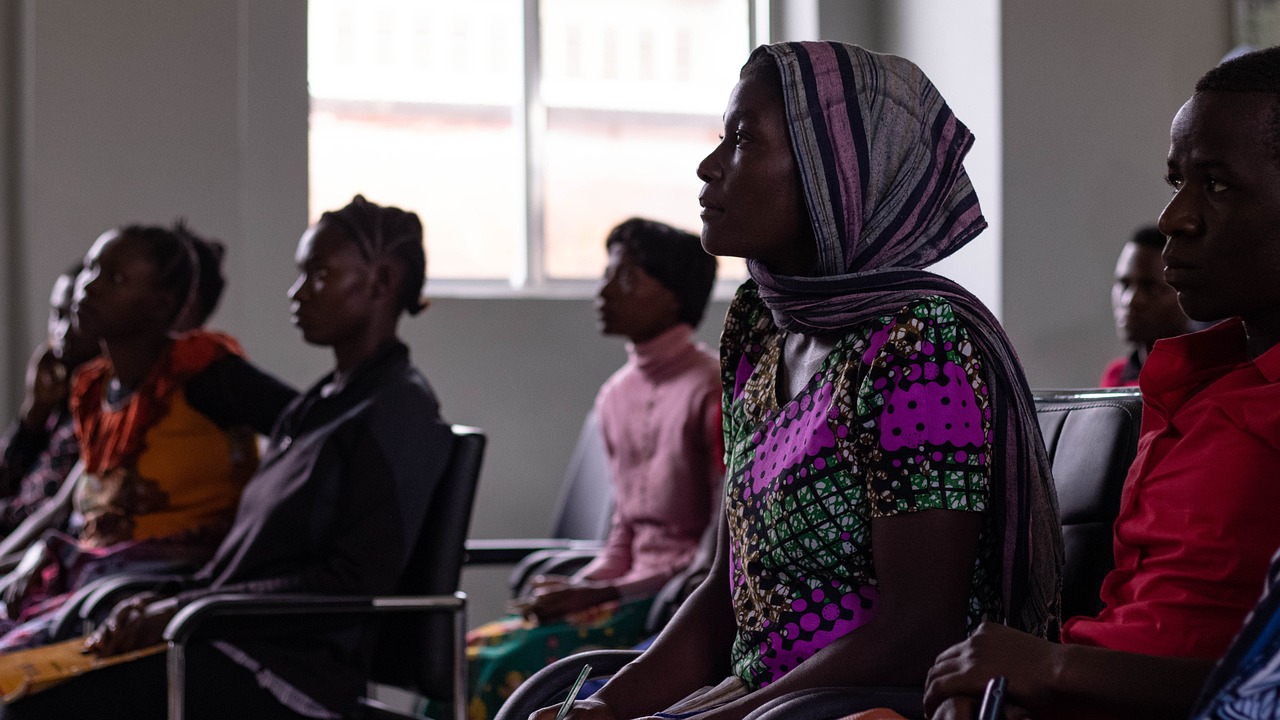
Women-led community collectives are reshaping societies worldwide, creating sustainable solutions and fostering meaningful change through collaboration, innovation, and shared vision.

These grassroots movements represent more than just organized groups—they embody the power of collective action driven by women who recognize that transformation begins within communities. From addressing social inequalities to environmental challenges, these collectives demonstrate how women’s leadership creates ripples of positive impact that extend far beyond immediate circles. The rise of women-led initiatives reflects a fundamental shift in how communities approach problem-solving, prioritizing inclusivity, empathy, and long-term sustainability over short-term gains.
🌟 The Foundation of Women-Led Community Collectives
Women-led community collectives emerge from the understanding that systemic change requires coordinated effort and shared responsibility. These organizations typically form around specific causes—whether economic empowerment, education access, healthcare equity, or environmental conservation. What distinguishes them is their leadership structure, which often embraces collaborative decision-making rather than hierarchical models.
The strength of these collectives lies in their ability to mobilize resources, knowledge, and talent within communities that have historically been marginalized or overlooked. Women leading these initiatives bring unique perspectives shaped by lived experiences, creating solutions that address root causes rather than symptoms. Their approach prioritizes sustainable development, community ownership, and intergenerational impact.
Research consistently shows that when women lead community initiatives, outcomes improve across multiple dimensions. Projects demonstrate higher success rates, better resource management, and greater community participation. This effectiveness stems from leadership styles that emphasize communication, relationship-building, and consensus-forming—skills that create strong foundations for collective action.
Breaking Barriers Through Collective Action
Women-led collectives actively dismantle barriers that prevent communities from reaching their full potential. These obstacles often include limited access to education, economic opportunities, healthcare services, and political representation. By organizing collectively, women create alternative pathways to resources and opportunities that traditional systems fail to provide.
Economic empowerment initiatives represent one powerful example. Women’s savings groups, cooperative businesses, and microfinance collectives enable members to pool resources, access credit, and build financial independence. These economic collectives often extend beyond pure financial transactions, providing business training, mentorship, and markets for products and services. The ripple effects are substantial—as women gain economic power, entire families and communities benefit through improved nutrition, education, and living standards.
Education as a Catalyst for Change
Education-focused collectives recognize that knowledge creates pathways out of poverty and oppression. Women-led educational initiatives range from literacy programs for adults to scholarship funds for girls, coding bootcamps for young women, and leadership training for community organizers. These programs don’t simply transfer information—they transform mindsets, build confidence, and cultivate critical thinking skills.
What makes these educational collectives particularly effective is their culturally responsive approach. Rather than imposing external curricula, they develop programs that honor local knowledge while introducing new perspectives and skills. This balance ensures relevance and sustainability, increasing participation rates and long-term impact.
💪 Creating Economic Opportunities Through Solidarity
The economic dimension of women-led collectives extends well beyond traditional employment models. Social enterprises, cooperative businesses, and artisan collectives create alternative economic structures that prioritize fair wages, sustainable practices, and community reinvestment over profit maximization.
These economic models demonstrate that business success and social responsibility aren’t mutually exclusive. Women entrepreneurs leading collectives often reinvest profits into community development projects, creating virtuous cycles of growth and improvement. They establish supply chains that support other women-owned businesses, mentor emerging entrepreneurs, and advocate for policies that level economic playing fields.
Agricultural cooperatives led by women exemplify this approach. By collectively managing land, sharing equipment, and coordinating marketing efforts, women farmers increase productivity while maintaining sustainable farming practices. These cooperatives often incorporate traditional ecological knowledge with modern agricultural techniques, creating food systems that nourish communities without depleting resources.
Healthcare Access and Wellness Initiatives
Women-led health collectives address critical gaps in healthcare systems, particularly in underserved communities. These initiatives range from maternal health programs to mental health support networks, mobile health clinics, and health education campaigns. Their community-centered approach ensures services are accessible, culturally appropriate, and responsive to actual needs.
Peer support networks represent a particularly powerful model. Women with shared health experiences—whether managing chronic conditions, navigating pregnancy, or recovering from trauma—create safe spaces for information sharing, emotional support, and collective advocacy. These networks reduce isolation, improve health outcomes, and empower women to become advocates for systemic healthcare improvements.
Addressing Mental Health Stigma
Mental health collectives led by women are breaking down cultural stigmas surrounding psychological wellbeing. Through support groups, awareness campaigns, and advocacy efforts, these organizations normalize conversations about mental health, making services more accessible and acceptable. Their work recognizes that mental health is inseparable from overall community wellness and deserves equal attention to physical health needs.
🌍 Environmental Stewardship and Climate Action
Women-led environmental collectives are at the forefront of climate action and conservation efforts. Recognizing the disproportionate impact environmental degradation has on women and children, these groups develop solutions that address both ecological and social dimensions of sustainability.
Community gardens, reforestation projects, waste management initiatives, and renewable energy cooperatives demonstrate how women’s leadership in environmental issues creates multifaceted benefits. These projects not only address environmental challenges but also create green jobs, improve food security, and build climate resilience within vulnerable communities.
Indigenous women’s collectives bring particular wisdom to environmental stewardship, integrating traditional ecological knowledge with contemporary conservation practices. Their holistic understanding of ecosystems and long-term thinking offers crucial perspectives for addressing complex environmental challenges. These collectives often serve as bridges between indigenous communities and broader conservation movements, ensuring indigenous voices shape environmental policies and practices.
Technology and Digital Inclusion
Digital literacy collectives recognize that technology access represents a modern frontier of inequality. Women-led initiatives teaching coding, digital marketing, social media management, and other tech skills open doors to remote work opportunities, entrepreneurship, and civic participation in increasingly digital societies.
These technology-focused collectives don’t simply provide technical training—they create communities where women support each other through learning journeys, share opportunities, and collectively navigate tech industries that often present barriers to women’s advancement. By building confidence alongside skills, these programs empower women to claim space in tech sectors and challenge gender disparities within these fields.
🎨 Cultural Preservation and Creative Expression
Arts and culture collectives led by women serve vital roles in preserving heritage, fostering creative expression, and generating income through cultural production. These groups range from traditional craft cooperatives to performance ensembles, literary circles, and multimedia art collectives.
Cultural collectives create spaces where women can express experiences, challenge narratives, and document histories that mainstream cultural institutions often overlook. Through storytelling, visual arts, music, and performance, these collectives contribute to cultural vitality while providing platforms for women’s voices and perspectives.
The economic potential of cultural collectives shouldn’t be underestimated. Artisan cooperatives create sustainable livelihoods while preserving traditional crafts. Cultural tourism initiatives generate income while educating broader audiences about heritage and traditions. These economic benefits flow directly to artists and communities rather than external intermediaries.
Advocacy and Political Empowerment
Women-led advocacy collectives transform individual concerns into collective political power. These organizations mobilize around issues ranging from gender-based violence to land rights, labor protections, and electoral representation. Through coordinated campaigns, these collectives amplify marginalized voices and demand accountability from institutions and powerholders.
Grassroots organizing by women’s collectives has achieved remarkable policy victories—from domestic violence legislation to maternal leave policies, gender quotas in government, and legal protections against discrimination. These achievements demonstrate that sustained, organized advocacy creates systemic change even when confronting entrenched opposition.
Building Future Leaders
Leadership development represents a core function of advocacy-focused collectives. By creating pathways for women to develop organizing skills, public speaking abilities, and political knowledge, these groups cultivate new generations of leaders. This investment in leadership capacity ensures movements remain vibrant and continue advancing toward equity and justice.
📱 Leveraging Technology for Greater Impact
Modern women-led collectives increasingly harness digital tools to expand reach, coordinate activities, and amplify impact. Social media platforms enable rapid information sharing and community building across geographic boundaries. Project management applications help collectives coordinate complex initiatives with distributed teams.
Communication platforms facilitate connection among collective members, enabling real-time collaboration regardless of location. These digital tools prove particularly valuable for collectives working across rural areas or connecting diaspora communities with homeland initiatives. Technology doesn’t replace face-to-face relationship building but complements and extends it.
Crowdfunding platforms have revolutionized how collectives access resources. Women-led initiatives can now pitch projects directly to global audiences, bypassing traditional gatekeepers who historically limited funding access. This democratization of fundraising enables innovative projects that might not fit conventional funding criteria to secure necessary resources.
Measuring Impact and Celebrating Success
Women-led collectives increasingly employ rigorous evaluation methods to document impact and refine approaches. These assessments go beyond simple metrics, examining qualitative dimensions of change—shifts in attitudes, strengthened relationships, increased confidence, and expanded possibilities.
Impact documentation serves multiple purposes. It provides accountability to communities and supporters, generates evidence for advocacy efforts, attracts additional resources, and offers learning opportunities. Collectives that systematically reflect on outcomes can identify what works, adapt strategies, and share lessons with other organizations facing similar challenges.
Celebrating successes, both large and small, maintains momentum and honors contributions. Recognition events, storytelling projects, and public acknowledgments validate the hard work of collective members while inspiring others to engage in community-building efforts. These celebrations reinforce the reality that change is possible and that collective action produces tangible results.
🤝 Building Bridges Across Movements
The most effective women-led collectives recognize that issues are interconnected and that collaboration amplifies impact. Cross-movement partnerships enable collectives to address root causes of inequality and build broader coalitions for change. Environmental justice groups partner with economic empowerment collectives, education initiatives connect with health programs, and cultural preservation efforts align with political advocacy.
These intersectional approaches acknowledge that women’s experiences are shaped by multiple, overlapping identities and circumstances. A collective addressing economic inequality must consider how race, ethnicity, disability, sexuality, and other factors shape women’s economic opportunities. This complexity requires collaborative approaches that draw on diverse expertise and perspectives.
International networks of women-led collectives facilitate knowledge exchange, resource sharing, and solidarity across borders. These global connections enable local organizations to learn from distant counterparts, access international advocacy platforms, and build collective power that transcends national boundaries. In an interconnected world, local and global struggles increasingly intertwine.
Overcoming Challenges and Building Resilience
Women-led collectives face significant obstacles—limited funding, institutional resistance, cultural barriers, and sometimes outright hostility. Resource constraints require creativity and efficiency. Opposition demands courage and strategic thinking. Sustainability challenges necessitate long-term planning and diverse income streams.
Despite these difficulties, women-led collectives demonstrate remarkable resilience. They adapt to changing circumstances, learn from setbacks, and persist through challenges that would dissolve less committed organizations. This resilience stems from strong relationships, clear purpose, and communities that depend on collective success.
Building financial sustainability represents an ongoing challenge for many collectives. Diversifying revenue through social enterprises, fee-for-service programs, membership contributions, and varied funding sources reduces dependence on any single resource stream. This financial resilience enables collectives to maintain operations during funding fluctuations and preserve independence from funders whose priorities might shift.
🌈 Inspiring the Next Generation
Perhaps the most profound impact of women-led collectives is their inspiration of future generations. Young people who witness women organizing, leading, and creating change develop expanded notions of possibility. They see leadership modeled in accessible, relatable ways rather than as distant, unattainable positions.
Youth engagement programs within collectives provide hands-on experience in community organizing, leadership development, and social change work. These opportunities cultivate skills and values that young people carry throughout their lives, creating pipelines of engaged citizens committed to equity and justice.
Intergenerational knowledge transfer ensures that wisdom accumulated through decades of organizing isn’t lost. Elder women share experiences, strategies, and lessons learned with younger members who bring fresh perspectives, technological fluency, and contemporary insights. This exchange strengthens collectives and honors the contributions of all generations.
Creating Lasting Change Through Collective Power
Women-led community collectives prove that transformative change doesn’t require vast resources or institutional power—it requires vision, commitment, and collaboration. These organizations demonstrate daily that ordinary people organizing together accomplish extraordinary things. They build infrastructure for change that persists beyond individual leaders or specific campaigns.
The collective model itself represents a powerful alternative to individualistic approaches that dominate many societies. By prioritizing collaboration over competition, shared leadership over hierarchy, and community benefit over personal gain, these collectives model ways of organizing that could reshape broader social, economic, and political systems.
As challenges facing communities and the planet intensify—from climate change to inequality, from displacement to technological disruption—women-led collectives offer proven approaches for building resilience, fostering innovation, and creating inclusive solutions. Their success stories provide hope and roadmaps for others seeking to drive positive change within their own communities.

The Path Forward: Strengthening the Movement ✨
Supporting women-led collectives requires multifaceted action. Funders must recognize the value these organizations create and provide flexible, long-term support that respects their autonomy and community knowledge. Policymakers should consult collectives when developing programs affecting their communities and remove regulatory barriers that impede their work.
Individuals can support women-led collectives through financial contributions, volunteering, amplifying their messages, purchasing products and services, and advocating for policies that strengthen their capacity. Building bridges between collectives and institutional resources—whether educational institutions, businesses, or government agencies—creates partnerships that benefit all parties.
Media representation matters significantly. Telling stories of women-led collectives, highlighting their achievements, and exploring their strategies educates broader publics while validating the work collective members undertake. Increased visibility attracts resources, inspires replication, and shifts narratives about who drives change and how transformation occurs.
The future belongs to collaborative approaches that harness collective intelligence, honor diverse perspectives, and prioritize sustainable, equitable outcomes. Women-led community collectives are charting this path, demonstrating that empowering change together isn’t just idealistic rhetoric—it’s a practical strategy for building the brighter future communities everywhere deserve. Their work reminds us that transformation begins not with distant authorities or abstract policies but with neighbors organizing together to create the world they want to inhabit.