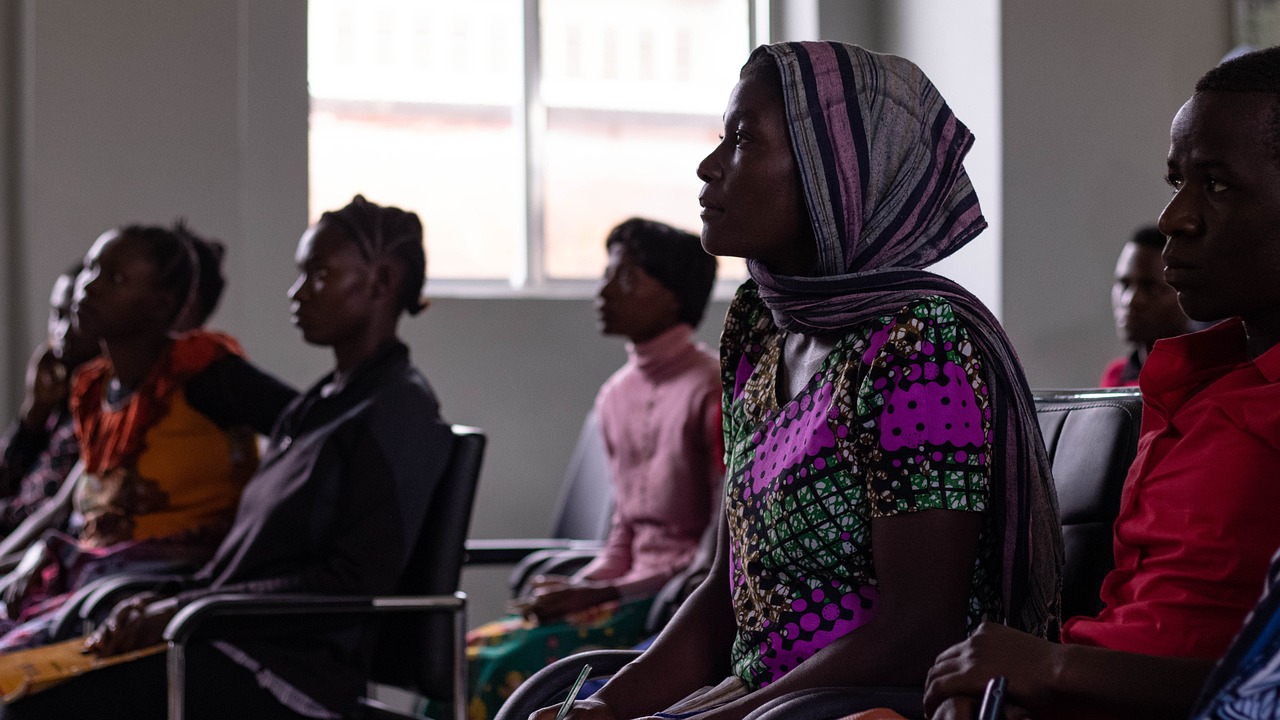
Telemedicine is revolutionizing healthcare delivery by connecting patients in remote and underserved areas with medical professionals through digital platforms and technology.

For millions of people living in rural communities, indigenous territories, and economically disadvantaged regions, accessing quality healthcare has long been a persistent challenge. Geographic isolation, shortage of medical professionals, limited infrastructure, and financial constraints create formidable barriers that prevent individuals from receiving timely medical attention. The emergence of telemedicine as a viable solution has begun to address these disparities, offering hope for communities that have historically been left behind by traditional healthcare systems.
🌍 The Healthcare Access Crisis in Underserved Communities
The stark reality of healthcare inequality affects billions worldwide. In the United States alone, approximately 20% of the population resides in rural areas, yet only 10% of physicians practice in these regions. This imbalance creates situations where patients must travel hours to reach the nearest medical facility, often delaying critical care and worsening health outcomes.
Low-income urban neighborhoods face similar challenges despite proximity to medical centers. Financial barriers, lack of transportation, language barriers, and limited health literacy create invisible walls that separate vulnerable populations from essential healthcare services. These communities often experience higher rates of chronic diseases, maternal mortality, and preventable conditions that could be managed with regular medical oversight.
Indigenous communities face compounded challenges, including cultural disconnection from Western medical practices, historical mistrust of healthcare systems, and geographic remoteness that makes traditional healthcare delivery models nearly impossible to implement effectively. The COVID-19 pandemic starkly highlighted these vulnerabilities, with underserved communities experiencing disproportionately higher infection and mortality rates.
📱 Understanding Telemedicine: More Than Just Video Calls
Telemedicine encompasses a broad spectrum of technologies and services designed to deliver healthcare remotely. While video consultations represent the most recognizable form, the field includes store-and-forward imaging, remote patient monitoring, mobile health applications, and asynchronous communication between patients and providers.
Synchronous telemedicine involves real-time interactions between patients and healthcare providers through video conferencing or phone calls. This approach is particularly effective for routine consultations, mental health services, follow-up appointments, and urgent care situations that don’t require physical examination.
Asynchronous telemedicine allows patients to submit medical information, images, or questions that providers review and respond to within a specified timeframe. This model works exceptionally well for dermatology, radiology interpretation, and specialist consultations where immediate interaction isn’t necessary.
Remote patient monitoring utilizes wearable devices and home-based equipment to track vital signs, glucose levels, blood pressure, and other health metrics. This continuous data stream enables providers to identify concerning trends early and intervene before conditions deteriorate, particularly beneficial for managing chronic diseases in remote locations.
🏥 Breaking Down Geographic Barriers
The most immediate impact of telemedicine is its ability to transcend distance. A patient living in a remote village can now consult with a specialist located hundreds or thousands of miles away without the burden of travel costs, time away from work, or arranging childcare. This accessibility is transforming healthcare delivery models in profound ways.
Rural hospitals and clinics can now maintain connections with urban medical centers, enabling local healthcare workers to consult with specialists in real-time during emergency situations. This “tele-consultation” model has proven particularly valuable in stroke care, where rapid diagnosis and treatment decisions are critical for patient outcomes.
Mobile health clinics equipped with telemedicine capabilities are bringing healthcare directly to isolated communities. These units can perform basic examinations and diagnostic tests while connecting patients with remote physicians for comprehensive assessment and treatment planning. This hybrid approach combines the benefits of in-person care with the expertise available through digital connectivity.
Success Stories from the Field
In Alaska, the Alaska Federal Health Care Access Network has been using telemedicine since the 1990s to serve indigenous communities scattered across vast, often inaccessible terrain. The program has demonstrated significant improvements in diabetes management, behavioral health outcomes, and emergency response times.
India’s eSanjeevani platform has facilitated over 100 million teleconsultations since its launch, connecting patients in rural areas with doctors across the country. The program has been particularly effective in providing specialist consultations that would otherwise require patients to travel to major cities, often involving considerable expense and hardship.
In Sub-Saharan Africa, organizations are leveraging mobile phone technology to deliver healthcare information and connect patients with providers. Given the widespread adoption of mobile phones even in areas lacking traditional infrastructure, SMS-based health programs and basic telemedicine services are reaching populations previously isolated from formal healthcare systems.
💰 Economic Advantages for Patients and Systems
The financial implications of telemedicine extend beyond reducing travel costs. Virtual consultations typically cost less than in-person visits, making healthcare more affordable for low-income families. This price differential can determine whether someone seeks medical attention or delays care until conditions become severe and more expensive to treat.
For healthcare systems, telemedicine reduces overhead costs associated with maintaining physical facilities, enables more efficient use of specialist time, and can prevent expensive emergency department visits through better management of chronic conditions. These savings can be redirected toward expanding services and improving infrastructure in underserved areas.
Patients save money not just on consultation fees but also on transportation, time away from work, and related expenses. For families living paycheck to paycheck, these savings can mean the difference between accessing healthcare and going without. A study found that telemedicine patients saved an average of two hours and $120 per visit when accounting for travel, time off work, and associated costs.
🔧 Overcoming Implementation Challenges
Despite its promise, telemedicine implementation in underserved communities faces significant obstacles that must be addressed for successful adoption. Internet connectivity remains the most fundamental barrier, with many remote and low-income areas lacking reliable broadband access necessary for video consultations.
Infrastructure and Technology Access
Bridging the digital divide requires coordinated efforts from government agencies, telecommunications companies, and healthcare organizations. Initiatives to expand broadband access to rural areas, subsidize internet costs for low-income families, and establish community telehealth hubs in libraries and community centers are helping address connectivity challenges.
Device access presents another hurdle. While smartphone ownership has increased globally, many elderly patients and extremely low-income individuals lack the devices necessary for telemedicine access. Programs that provide tablets or smartphones to eligible patients, along with training on their use, are proving essential for equitable telemedicine adoption.
Digital Literacy and Cultural Competence
Technology is only useful if people know how to use it. Many elderly patients and individuals with limited education struggle with the technical aspects of joining video calls, navigating health portals, or using remote monitoring devices. Comprehensive training programs, simplified interfaces, and telephone support lines help bridge this literacy gap.
Cultural competence in telemedicine delivery is equally critical. Healthcare providers must understand the cultural contexts, languages, and health beliefs of the communities they serve. Translation services, culturally appropriate health education materials, and involving community health workers in telemedicine programs increase trust and engagement.
🩺 Specialized Applications Making Real Impact
Certain medical specialties have embraced telemedicine particularly effectively, demonstrating measurable improvements in care delivery to underserved populations. Mental health services have experienced perhaps the most dramatic transformation, with telepsychiatry and online counseling reducing the stigma associated with seeking help while increasing access to limited psychiatric resources.
Mental Health and Behavioral Services
The shortage of mental health professionals disproportionately affects rural and low-income communities. Telepsychiatry connects patients with psychiatrists, psychologists, and counselors regardless of geographic location, addressing an urgent need. Studies show that patient satisfaction with telemental health services equals or exceeds traditional in-person care, and treatment outcomes are comparable.
For communities where mental health stigma is particularly strong, the privacy of receiving care from home can encourage individuals to seek help who might otherwise avoid treatment. This is particularly significant for adolescents, veterans, and individuals in small communities where anonymity is difficult to maintain.
Chronic Disease Management
Diabetes, hypertension, heart disease, and other chronic conditions require regular monitoring and management. Remote patient monitoring enables healthcare providers to track patients’ vital signs, medication adherence, and symptoms without requiring frequent clinic visits. This continuous oversight allows for early intervention when problems arise, preventing hospitalizations and complications.
Patients with diabetes can transmit blood glucose readings directly to their care teams, who can adjust insulin dosages and provide dietary counseling remotely. Similarly, heart failure patients can be monitored for weight changes and other warning signs, triggering interventions before conditions deteriorate to the point of requiring emergency care.
Maternal and Child Health
Pregnant women in remote areas often have limited access to obstetric specialists and prenatal care. Telemedicine enables regular prenatal monitoring, ultrasound transmission for specialist review, and postpartum follow-up without requiring mothers to make long journeys, particularly important during high-risk pregnancies.
Pediatric subspecialists are especially scarce in rural areas. Telemedicine consultations allow children to access cardiology, neurology, endocrinology, and other specialist services that would otherwise require travel to distant urban centers, reducing disruption to families and ensuring timely care.
📊 Evidence of Impact: Measurable Outcomes
The effectiveness of telemedicine in improving health outcomes for underserved populations is increasingly supported by research and real-world data. Studies consistently demonstrate that telemedicine can deliver care quality equivalent to in-person consultations for many conditions while improving access and reducing costs.
| Health Indicator | Traditional Care | Telemedicine-Enhanced Care |
|---|---|---|
| Specialist Access Wait Time | 4-8 weeks | 1-2 weeks |
| Chronic Disease Hospital Readmissions | 20-25% | 12-15% |
| Mental Health Service Utilization | 35% of those needing care | 52% of those needing care |
| Patient Satisfaction Rates | 75-80% | 85-92% |
Emergency department visits for non-urgent conditions have decreased in communities with robust telemedicine access, indicating that patients can receive appropriate care through virtual consultations rather than resorting to emergency services. This shift reduces burden on emergency departments while providing more convenient, cost-effective care for patients.
Medication adherence rates improve when patients have regular virtual check-ins with healthcare providers. The convenience of brief video calls or asynchronous messaging encourages patients to maintain communication with their care teams, addressing questions or concerns that might otherwise go unresolved, leading to treatment discontinuation.
🚀 Policy and Regulatory Evolution
The rapid expansion of telemedicine, particularly during the COVID-19 pandemic, has prompted significant policy changes aimed at supporting and regulating virtual care delivery. Reimbursement policies have evolved substantially, with many insurance providers and government programs now covering telemedicine services at rates comparable to in-person visits.
Licensing requirements have traditionally restricted physicians to practicing only in states where they hold licenses, creating barriers for telemedicine across state lines. Interstate medical licensure compacts are emerging to streamline this process, allowing providers to practice telemedicine across multiple states more easily, thereby increasing access for patients in underserved areas.
Privacy and security regulations ensure that telemedicine platforms protect patient information according to healthcare privacy standards. While these protections are essential, they also require telemedicine providers to implement robust security measures, potentially increasing costs and complexity, particularly for smaller healthcare organizations serving vulnerable populations.
🌟 The Future Landscape: Emerging Technologies
Artificial intelligence is beginning to enhance telemedicine capabilities, with diagnostic algorithms assisting providers in interpreting symptoms, medical images, and test results. For underserved communities with limited specialist access, AI-assisted diagnosis can help general practitioners identify conditions that might otherwise go unrecognized or misdiagnosed.
Virtual reality and augmented reality technologies are emerging as tools for medical education, physical therapy guidance, and even pain management. While currently limited by cost and technical requirements, these technologies may eventually provide sophisticated healthcare interventions in remote settings.
5G networks promise to dramatically improve telemedicine capabilities with faster, more reliable connections that can support high-quality video, real-time data transmission from multiple devices, and more sophisticated remote monitoring. As 5G infrastructure expands to rural areas, telemedicine functionality will significantly improve.
🤝 Community Partnerships Driving Success
The most successful telemedicine programs in underserved communities involve partnerships between healthcare organizations, community groups, local governments, and technology providers. These collaborative approaches ensure that services are designed with community input, addressing actual needs rather than imposing solutions from outside.
Community health workers serve as vital bridges between telemedicine technologies and the populations they serve. These trusted community members help patients navigate technology, attend virtual appointments, understand medical instructions, and follow through with treatment plans. Their cultural competence and established relationships enhance telemedicine effectiveness significantly.
Faith-based organizations, schools, and community centers can host telehealth hubs where community members without home internet access can attend virtual appointments in private, equipped spaces. These partnerships leverage existing community infrastructure and trust to expand telemedicine reach.
💡 Sustaining Progress Beyond the Pandemic
The COVID-19 pandemic accelerated telemedicine adoption by necessity, temporarily removing regulatory barriers and increasing reimbursement. As the immediate crisis recedes, maintaining momentum requires intentional policy decisions, continued investment, and commitment to addressing healthcare inequity.
Permanent expansion of telemedicine reimbursement policies is essential for ensuring that virtual care remains financially viable for providers serving underserved populations. Without adequate payment, providers may reduce or eliminate telemedicine services, particularly in low-income areas where patient populations may be less profitable.
Continued investment in broadband infrastructure, particularly in rural and low-income areas, represents a critical social determinant of health. Internet access is no longer a luxury but a necessity for accessing modern healthcare, education, and economic opportunities. Public policy must treat broadband expansion as essential infrastructure development.
Training healthcare providers in effective telemedicine delivery should be integrated into medical education at all levels. Developing strong communication skills for virtual care, understanding technology limitations, and adapting clinical approaches for remote consultation require specific competencies that traditional medical training hasn’t always emphasized.

🎯 Building an Equitable Healthcare Future
Telemedicine represents a powerful tool for addressing healthcare disparities, but technology alone cannot solve systemic inequities rooted in poverty, discrimination, and historical neglect. Effective telemedicine programs must be embedded within broader efforts to address social determinants of health, including housing, nutrition, education, and economic opportunity.
Ensuring that telemedicine genuinely serves underserved communities rather than primarily benefiting already-advantaged populations requires intentional design choices, targeted resource allocation, and ongoing evaluation of equity impacts. Programs should track not just overall utilization but specifically measure access and outcomes among the most vulnerable populations.
The transformation of healthcare delivery through telemedicine is not inevitable but requires sustained commitment from healthcare organizations, policymakers, technology companies, and communities themselves. By keeping equity at the center of telemedicine development and deployment, we can bridge healthcare gaps that have persisted for generations, creating a more just and effective healthcare system that serves everyone, regardless of where they live or their economic circumstances. The technology exists; the question is whether we have the collective will to deploy it in service of those who need it most.