
The global energy landscape is undergoing a profound transformation as innovative CleanTech solutions reshape how we generate, distribute, and consume power. This revolution promises not only environmental sustainability but also unprecedented access to reliable energy for communities worldwide.

As climate change accelerates and energy demands surge, the intersection of technology and sustainability has never been more critical. CleanTech innovations are emerging as the cornerstone of a future where energy access is universal, affordable, and environmentally responsible, bridging the gap between developed and developing nations.
🌍 The Global Energy Access Challenge
Approximately 733 million people worldwide still lack access to electricity, with the majority residing in sub-Saharan Africa and parts of Asia. This energy poverty perpetuates cycles of economic disadvantage, limiting educational opportunities, healthcare access, and economic development. Traditional grid infrastructure expansion remains prohibitively expensive in remote regions, creating an urgent need for innovative solutions.
The conventional approach to energy distribution through centralized power plants and extensive transmission networks faces significant challenges in reaching isolated communities. Construction costs, geographical barriers, and maintenance requirements make traditional electrification economically unviable in many areas. This reality has catalyzed the development of decentralized CleanTech solutions that bypass traditional infrastructure limitations.
Climate considerations add another layer of urgency to the energy access equation. Fossil fuel-based solutions that powered industrialization in developed nations are no longer viable options for emerging economies. The global community faces the dual challenge of expanding energy access while simultaneously reducing carbon emissions—a paradox that CleanTech innovations are uniquely positioned to resolve.
☀️ Solar Revolution: Democratizing Energy Production
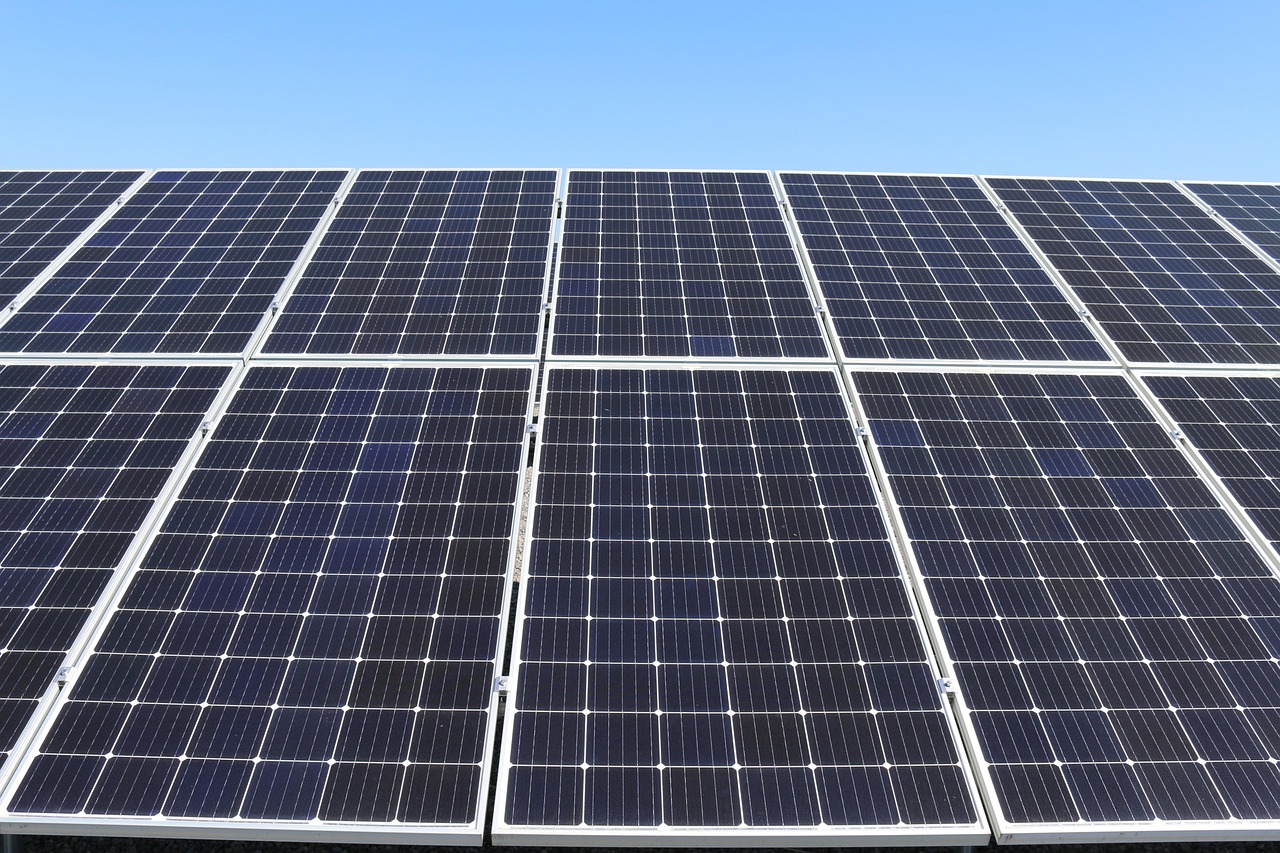
Solar technology has emerged as the frontrunner in the CleanTech revolution, with photovoltaic costs plummeting by over 90% in the past decade. This dramatic price reduction has transformed solar from an expensive alternative into the most economically competitive energy source in many regions. Solar panels are now accessible to households, businesses, and communities that could never afford conventional electrification.
Distributed solar systems, particularly solar home systems and mini-grids, are proving transformative in off-grid communities. These systems range from basic units providing lighting and phone charging to comprehensive installations powering entire villages. Companies operating in developing markets have pioneered pay-as-you-go models, allowing customers to access solar technology through affordable mobile payments rather than prohibitive upfront costs.
Innovative Solar Applications Expanding Access
Beyond residential applications, solar technology is powering critical infrastructure in underserved areas. Solar-powered water pumps provide irrigation and clean drinking water, eliminating dependence on diesel generators. Healthcare facilities in remote regions now operate reliable refrigeration for vaccines and medications, directly saving lives. Educational institutions utilize solar electricity to extend learning hours and provide digital resources previously unavailable.
Agrivoltaics—the integration of solar panels with agricultural activities—represents another frontier in solar innovation. This approach maximizes land use efficiency by generating electricity while maintaining crop production underneath panels. Early implementations show promise for increasing farm resilience, providing shade for heat-sensitive crops, and creating additional income streams for agricultural communities.
💨 Wind Energy: Harnessing Nature’s Power at Scale
Wind energy technology has matured into a reliable, cost-effective clean energy source capable of generating electricity at utility scale. Modern wind turbines capture kinetic energy with unprecedented efficiency, with offshore installations accessing stronger, more consistent wind resources. The levelized cost of wind energy has declined substantially, making it competitive with fossil fuels in many markets without subsidies.
Small-scale wind solutions are increasingly viable for rural electrification, particularly in regions with favorable wind profiles but limited solar resources. Community-scale wind projects empower local ownership and provide sustainable income sources while meeting energy needs. Hybrid systems combining wind and solar technologies maximize generation reliability by leveraging complementary generation patterns.
Technological Advances Driving Wind Adoption
Turbine design innovations continue expanding wind energy viability. Taller towers access stronger wind resources at higher altitudes, while longer blades capture more energy per rotation. Advanced materials reduce manufacturing costs and extend operational lifespans. Floating offshore platforms unlock deep-water locations with exceptional wind resources previously inaccessible to fixed-bottom installations.
Digital technologies enhance wind farm performance through predictive maintenance and optimized operations. Machine learning algorithms analyze performance data to identify potential failures before they occur, minimizing downtime. Real-time adjustments optimize individual turbine performance based on wind conditions, maximizing overall farm output.
🔋 Energy Storage: Solving the Intermittency Challenge
Energy storage represents perhaps the most critical enabler of renewable energy expansion. Solar and wind resources generate electricity intermittently, creating mismatches between production and demand. Advanced battery systems store excess generation for use during periods of low renewable output, ensuring consistent electricity supply regardless of weather conditions.
Lithium-ion battery costs have fallen dramatically, driven primarily by electric vehicle market growth. This cost reduction has spillover benefits for stationary storage applications, making battery systems economically viable for grid stabilization, backup power, and renewable integration. Grid-scale battery installations now provide multiple services simultaneously, enhancing both reliability and economics.
Beyond Lithium: Diverse Storage Technologies
While lithium-ion dominates current markets, diverse storage technologies address different use cases and resource constraints. Flow batteries offer scalable long-duration storage ideal for renewable energy smoothing. Compressed air energy storage utilizes geological formations to store energy mechanically. Thermal storage systems retain heat or cold for later use, providing efficient solutions for climate control applications.
Innovative approaches like gravity-based storage use excess electricity to elevate heavy masses, later recovering energy during descent. Hydrogen production through electrolysis converts surplus renewable electricity into storable chemical energy, creating versatile fuel for transportation, industry, and power generation. These diverse technologies ensure energy storage solutions adaptable to varied geographical, economic, and technical contexts.
⚡ Smart Grids and Microgrids: Intelligent Distribution
Smart grid technology transforms electricity distribution through digital communication, automation, and advanced controls. These systems optimize power flow, detect and isolate faults, and integrate distributed generation sources seamlessly. Real-time monitoring enables rapid response to changing conditions, enhancing reliability while reducing operational costs.
Microgrids represent a paradigm shift in energy system architecture, particularly for communities beyond traditional grid reach. These localized networks integrate generation, storage, and consumption within defined boundaries, operating independently or in coordination with larger grids. Microgrid configurations provide resilience against broader grid failures while enabling renewable integration and local energy autonomy.
Digital Technologies Enabling Grid Intelligence
Artificial intelligence and machine learning algorithms optimize grid operations in real-time, balancing supply and demand with unprecedented precision. Predictive analytics forecast consumption patterns and generation output, enabling proactive management. Blockchain technology facilitates peer-to-peer energy trading, allowing prosumers to sell excess generation directly to neighbors, creating localized energy markets.
Internet of Things sensors deployed throughout distribution networks provide granular visibility into system performance. Advanced metering infrastructure enables dynamic pricing that incentivizes consumption during periods of abundant renewable generation. These digital foundations transform passive distribution systems into active, responsive networks maximizing renewable utilization.
🌊 Hydroelectric and Ocean Energy: Tapping Water Resources
Hydroelectric power remains the largest renewable electricity source globally, providing reliable baseload generation and grid stability services. Modern small-scale hydroelectric systems bring electricity to remote mountain communities with minimal environmental impact. Run-of-river installations generate power without large reservoirs, preserving river ecosystems while providing clean energy.
Ocean energy technologies harness immense power in waves, tides, and thermal gradients. Wave energy converters capture kinetic energy from ocean surface movements, while tidal turbines function as underwater wind farms. Ocean thermal energy conversion exploits temperature differences between surface and deep waters, providing baseload generation potential in tropical regions. Though less mature than solar and wind, these technologies offer enormous untapped potential.
🌱 Biomass and Biogas: Converting Waste to Energy
Biomass energy systems transform organic materials into useful energy, addressing waste management while generating electricity and heat. Agricultural residues, forestry waste, and dedicated energy crops provide sustainable feedstocks when managed responsibly. Modern biomass facilities achieve high efficiency with minimal emissions through advanced combustion and gasification technologies.
Biogas production through anaerobic digestion converts organic waste into methane-rich fuel suitable for electricity generation, cooking, or vehicle fuel. Small-scale digesters provide clean cooking fuel in rural households, eliminating indoor air pollution from traditional biomass burning. Community-scale facilities process agricultural waste, animal manure, and organic municipal waste, simultaneously solving waste disposal challenges while generating valuable energy.
Sustainable Feedstock Management
Responsible biomass energy development requires careful feedstock sourcing to avoid competition with food production and prevent deforestation. Agricultural residues and waste streams provide sustainable options without land-use conflicts. Integrated systems combining food production with energy crops optimize land productivity. Proper management ensures biomass energy contributes to carbon reduction rather than exacerbating emissions through unsustainable harvesting.
📱 Mobile Technology Accelerating Energy Access
Mobile technology has emerged as an unexpected catalyst for energy access expansion, particularly in developing regions. Mobile payment platforms enable pay-as-you-go solar systems, eliminating upfront cost barriers that prevented adoption. Customers make small, affordable payments via mobile money, gradually building ownership while immediately accessing clean electricity.
Mobile applications provide remote monitoring and management of distributed energy systems. Service providers diagnose technical issues remotely, reducing maintenance costs and response times. Customers monitor their energy consumption and payment status through smartphone interfaces. This digital infrastructure transforms energy from a centralized commodity into a distributed service accessible through mobile devices.
💡 Energy Efficiency: The Hidden CleanTech Resource
Energy efficiency improvements represent the most cost-effective “source” of clean energy. LED lighting consumes 75% less energy than incandescent bulbs while providing superior illumination. Efficient appliances, improved building insulation, and optimized industrial processes reduce energy demand, decreasing generation requirements and associated emissions.
Smart building systems integrate sensors, controls, and automation to minimize energy waste. Occupancy detection ensures lighting and climate control activate only when needed. Predictive algorithms optimize heating and cooling based on weather forecasts and occupancy patterns. These technologies deliver substantial energy savings while improving comfort and functionality.
Behavioral and Systemic Efficiency Gains
Technology alone cannot maximize efficiency potential—behavioral changes and systemic improvements amplify technological gains. Real-time energy feedback encourages conservation through increased awareness. Time-of-use pricing incentivizes consumption shifts to periods of abundant renewable generation. Circular economy principles minimize industrial energy requirements through materials reuse and process optimization.
🚀 Emerging Technologies Shaping Tomorrow’s Energy
Advanced nuclear designs promise safer, more flexible nuclear energy with reduced waste production. Small modular reactors offer scalable nuclear options suitable for distributed applications. Fusion energy research progresses toward commercial viability, potentially providing virtually limitless clean baseload power.
Perovskite solar cells represent the next generation of photovoltaic technology, offering higher efficiencies and lower manufacturing costs than conventional silicon cells. Transparent solar panels could transform windows into power generators. Space-based solar power proposes collecting solar energy in orbit and beaming it to Earth, eliminating weather-related intermittency.
🤝 Policy and Finance: Enabling the Transition
Supportive policy frameworks accelerate CleanTech deployment through renewable energy targets, carbon pricing, and streamlined permitting processes. Feed-in tariffs and power purchase agreements provide revenue certainty that attracts investment. Net metering policies compensate distributed generation owners for excess electricity fed into grids, incentivizing residential and commercial solar adoption.
Innovative financing mechanisms overcome capital barriers preventing clean energy access. Green bonds mobilize capital for sustainable projects at scale. Microfinance institutions provide small loans for household solar systems. Results-based financing links payments to verified outcomes, ensuring accountability while expanding access. Blended finance structures combine public and philanthropic capital with private investment, de-risking projects in challenging markets.
🌟 Building a Sustainable Energy Future Together
The transformation toward universal clean energy access represents one of humanity’s most critical challenges and opportunities. CleanTech innovations provide the technological foundation, but realizing this vision requires coordinated effort across governments, businesses, communities, and individuals. Each stakeholder plays essential roles in accelerating adoption, removing barriers, and ensuring equitable access.
Success requires moving beyond viewing energy access and climate action as competing priorities. CleanTech solutions demonstrate these goals are complementary—expanded energy access through renewable technologies simultaneously addresses poverty and climate change. Communities gaining electricity access through solar microgrids leapfrog fossil fuel dependence, enjoying modern energy services without contributing to emissions growth.
The momentum behind clean energy is now irreversible. Economics increasingly favor renewables over fossil fuels even without considering environmental benefits. Technology continues advancing rapidly, with each innovation building upon previous breakthroughs. The question is no longer whether clean energy will dominate but how quickly we can accelerate the transition to maximize benefits and minimize climate impacts.
Investment in CleanTech creates employment opportunities, stimulates economic development, and builds resilient communities prepared for future challenges. Skills training programs prepare workforces for renewable energy installation and maintenance careers. Local manufacturing of clean energy components creates industrial opportunities while reducing costs. Energy independence enhances national security and economic stability.
The path forward demands continued innovation addressing remaining technical challenges and cost barriers. Enhanced storage technologies with longer duration and lower costs will further improve renewable reliability. Advanced materials will increase efficiency while reducing manufacturing impacts. Digital integration will optimize system performance and enable new business models that democratize energy access.
Collaboration across borders and sectors accelerates progress beyond what any single entity could achieve. Knowledge sharing ensures innovations developed in one context benefit communities worldwide. International financing mechanisms channel resources toward regions with greatest need. Technology transfer programs build local capacity while respecting intellectual property, creating sustainable deployment models rather than dependency relationships.
As we power the future through CleanTech innovations, we’re not simply changing how we generate electricity—we’re transforming the fundamental relationship between humanity and energy. We’re creating systems that work with natural cycles rather than against them, that empower individuals and communities rather than concentrate control, and that provide for current needs without compromising future generations. This is the sustainable world that CleanTech innovations are making possible, one solar panel, wind turbine, and battery at a time.