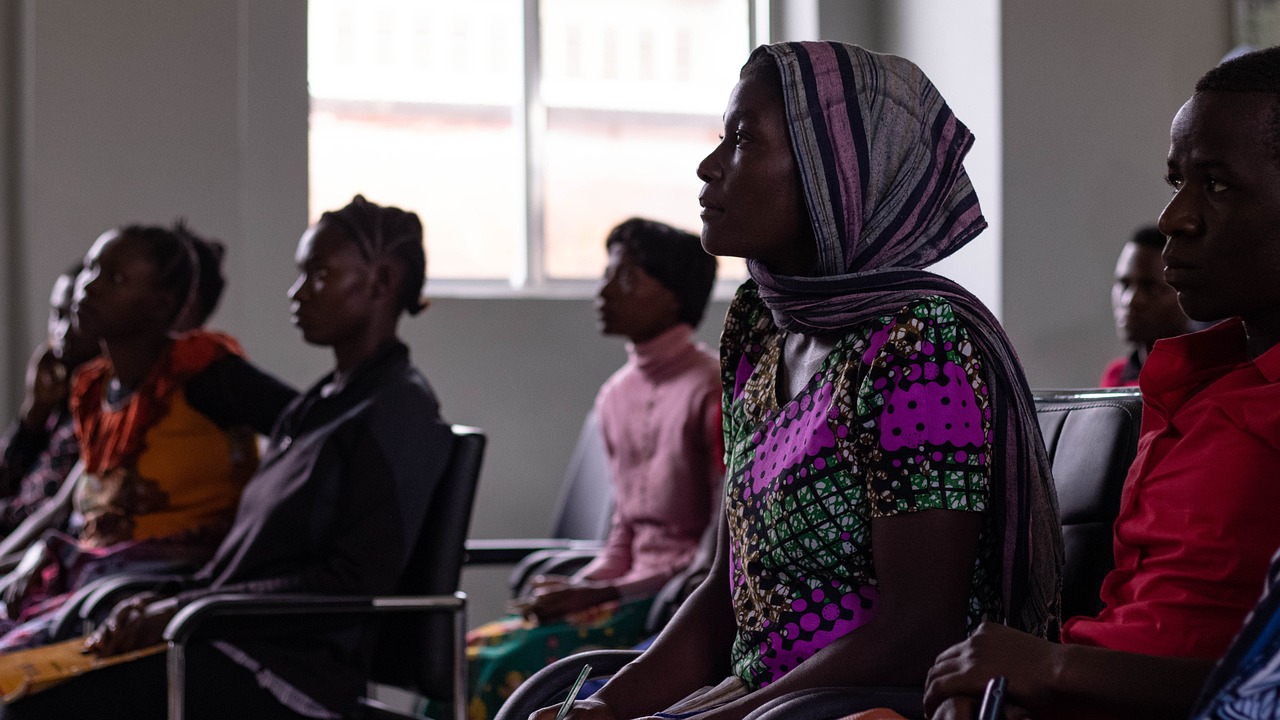
Natural disasters and human-induced hazards pose unprecedented threats to communities worldwide, demanding innovative engineering approaches to protect lives and infrastructure. The convergence of climate change, rapid urbanization, and technological advancement creates both challenges and opportunities for disaster risk reduction. Through strategic engineering solutions and resilience-focused design, we can transform vulnerable communities into safer, more adaptive environments.

The urgency of building disaster-resilient societies has never been more apparent, as extreme weather events intensify and infrastructure systems face increasing stress. Engineering innovation stands at the forefront of this global challenge, offering practical pathways to mitigate risks and strengthen community resilience against future catastrophes.
🌍 The Evolving Landscape of Disaster Risk
Today’s disaster landscape differs dramatically from past decades, with interconnected risks creating cascading effects across social, economic, and environmental systems. Climate change amplifies natural hazards, increasing the frequency and severity of floods, hurricanes, wildfires, and droughts. Simultaneously, population growth concentrates more people in high-risk areas, particularly coastal zones and seismic regions.
Engineering professionals now recognize that traditional reactive approaches prove insufficient for modern disaster challenges. The shift toward proactive risk reduction requires integrating multiple disciplines, technologies, and stakeholder perspectives. This paradigm emphasizes prevention, preparedness, and adaptive capacity rather than solely focusing on post-disaster response and recovery.
Economic losses from disasters exceed hundreds of billions of dollars annually, with developing nations disproportionately affected. Beyond financial impacts, disasters disrupt essential services, displace populations, and set back development progress by years or decades. Engineering solutions that reduce vulnerability and enhance resilience deliver substantial returns on investment while saving lives and preserving livelihoods.
🏗️ Structural Engineering Innovations for Hazard Resistance
Advanced structural engineering techniques provide fundamental protection against natural hazards through resilient building design and construction. Seismic-resistant structures incorporate base isolation systems, damping devices, and flexible materials that absorb earthquake energy while maintaining structural integrity. These technologies have proven effective in high-risk zones, reducing collapse risks and enabling rapid post-event recovery.
Hurricane-resistant design employs aerodynamic building shapes, reinforced connections, and impact-resistant materials to withstand extreme winds and flying debris. Continuous load path engineering ensures forces transfer efficiently from roof to foundation, preventing catastrophic failures during tropical storms. Coastal structures increasingly incorporate elevated foundations and flood-resistant materials to address storm surge and sea-level rise.
Innovative materials science contributes significantly to disaster-resistant construction. Self-healing concrete contains bacteria or capsules that repair cracks autonomously, extending infrastructure lifespan and reducing maintenance costs. Fiber-reinforced polymers provide lightweight strength for retrofitting vulnerable buildings, while shape-memory alloys return to original configurations after deformation, enhancing structural resilience.
Retrofitting Existing Infrastructure
Much of the world’s built environment predates modern building codes, creating enormous vulnerability to natural hazards. Strategic retrofitting programs systematically upgrade existing structures to meet contemporary safety standards. Engineers employ various techniques including foundation strengthening, wall bracing, and connection reinforcement to improve hazard resistance without complete reconstruction.
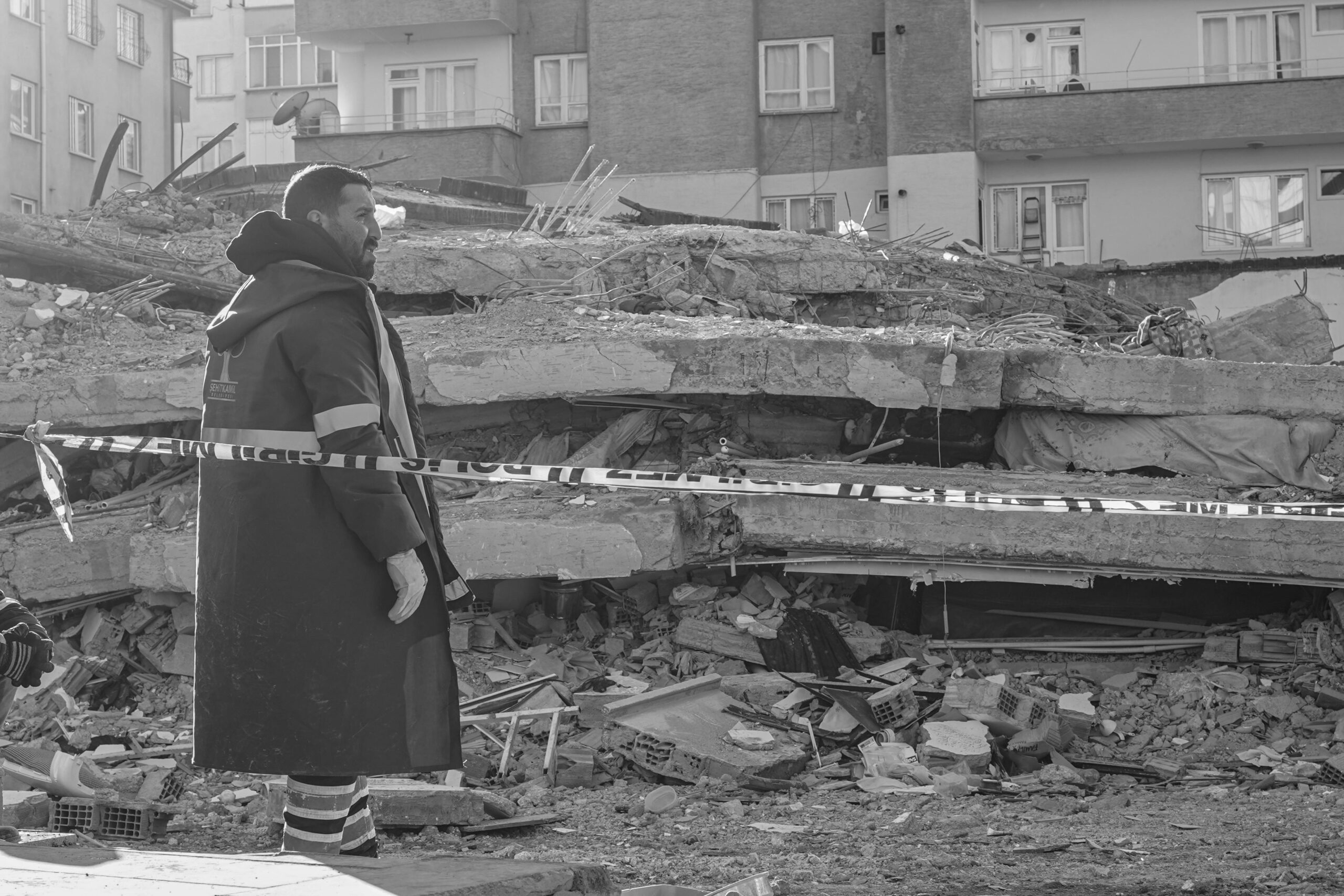
Cost-effective retrofitting prioritizes critical infrastructure including hospitals, schools, emergency facilities, and lifeline systems. Seismic retrofitting of unreinforced masonry buildings prevents collapse through steel bracing, fiber wraps, and improved anchoring systems. These interventions dramatically reduce casualty risks and maintain essential services during and after disasters.
💧 Water Management and Flood Mitigation Engineering
Flooding represents the most frequent and widespread natural disaster globally, affecting millions annually and causing extensive property damage. Engineering solutions for flood risk reduction combine structural measures with nature-based approaches, creating integrated water management systems. Modern flood control transcends traditional levees and dams, incorporating comprehensive watershed management and urban drainage optimization.
Green infrastructure provides sustainable flood mitigation while delivering multiple co-benefits for communities. Permeable pavements, bioswales, rain gardens, and constructed wetlands absorb stormwater runoff, reducing peak flows and filtering pollutants. These systems prove particularly valuable in urban environments where impervious surfaces concentrate runoff and overwhelm drainage systems.
Smart drainage systems utilize sensors, real-time monitoring, and automated controls to optimize stormwater management dynamically. Predictive analytics forecast flooding risks based on weather patterns, enabling proactive responses including storage activation and evacuation warnings. These intelligent systems maximize existing infrastructure capacity while minimizing construction costs and environmental impacts.
Coastal Protection Engineering
Rising sea levels and intensifying storms threaten coastal communities worldwide, requiring innovative engineering approaches to shoreline protection. Traditional hard armoring including seawalls and revetments provides immediate protection but often accelerates erosion and damages marine ecosystems. Contemporary approaches favor living shorelines that combine natural and engineered elements for sustainable coastal resilience.
Mangrove restoration, oyster reef construction, and beach nourishment work synergistically with engineered structures to dissipate wave energy and stabilize shorelines. Floating and amphibious architecture offers adaptable solutions for flood-prone coastal zones, allowing structures to rise with water levels while maintaining functionality. Multi-layered defense strategies incorporate redundant protection systems, ensuring resilience even when individual components fail.
🔥 Fire-Resistant Design and Wildfire Protection
Escalating wildfire frequency and intensity demand engineering solutions that protect communities in fire-prone landscapes. Fire-resistant construction employs non-combustible materials, ember-resistant vents, and defensible space principles to reduce ignition risks. Building codes increasingly mandate Class A roofing, tempered glass windows, and enclosed eaves in wildland-urban interface zones.
Community-scale fire breaks, fuel management zones, and strategic vegetation planning create protective buffers around vulnerable developments. Water supply engineering ensures adequate fire suppression capacity through properly sized hydrants, storage tanks, and pressure systems. Evacuation route planning and redundant access roads enable safe egress during rapidly spreading fires.
Early warning systems integrate weather monitoring, fuel moisture sensors, and fire behavior modeling to predict wildfire risks and trajectories. Automated alert systems provide critical lead time for evacuation and resource deployment. Post-fire engineering addresses erosion control, debris flow mitigation, and watershed restoration to reduce secondary hazards following vegetation loss.
📡 Smart Technology and Digital Innovation
Digital transformation revolutionizes disaster risk reduction through enhanced monitoring, prediction, and response capabilities. Internet of Things sensors create comprehensive environmental monitoring networks that detect hazardous conditions in real-time. Structural health monitoring systems continuously assess building integrity, identifying damage and deterioration before failures occur.
Artificial intelligence and machine learning analyze vast datasets to identify patterns, predict disasters, and optimize response strategies. Computer vision processes satellite imagery to assess damage rapidly after events, directing resources to areas of greatest need. Predictive models simulate disaster scenarios, enabling communities to test preparedness plans and identify vulnerabilities before crises occur.
Geographic Information Systems integrate multiple data layers to visualize risks spatially and support evidence-based planning decisions. Three-dimensional modeling creates virtual environments for stakeholder engagement and design optimization. Augmented reality applications train emergency responders and educate community members about hazards and protective actions.
Mobile Applications for Disaster Preparedness
Smartphone applications democratize access to disaster information and early warnings, empowering individuals to protect themselves and their families. Emergency alert systems push notifications based on location, providing specific guidance for immediate threats. Preparedness applications help users create emergency plans, assemble supply kits, and connect with community resources.
🌱 Nature-Based Solutions and Ecological Engineering
Ecosystem-based disaster risk reduction harnesses natural processes to protect communities while restoring environmental health. Watershed reforestation reduces flood peaks, prevents erosion, and improves water quality. Wetland conservation provides natural flood storage, filters pollutants, and supports biodiversity. These nature-based solutions often prove more cost-effective and sustainable than conventional engineering approaches.
Ecological engineering designs infrastructure that mimics natural systems, creating resilient and adaptive environments. Living roofs absorb rainfall, insulate buildings, and reduce urban heat islands. Bioengineered slopes use vegetation root systems to stabilize soil and prevent landslides. These approaches integrate seamlessly with urban development while providing aesthetic and recreational benefits.
Urban forestry contributes to disaster resilience by shading surfaces, intercepting rainfall, and moderating temperatures. Strategic tree placement reduces wildfire risks by creating fuel breaks and protecting structures from radiant heat. Mangrove and coral reef restoration provides coastal protection while supporting fishing industries and tourism economies.
🤝 Community-Centered Engineering and Social Resilience
Technical solutions achieve maximum effectiveness when integrated with social dimensions of resilience including local knowledge, community engagement, and equitable risk reduction. Participatory design processes involve residents in identifying vulnerabilities, prioritizing interventions, and maintaining systems. Community-based approaches ensure engineering solutions address actual needs while building local capacity for long-term resilience.
Vulnerable populations including low-income communities, elderly residents, and people with disabilities require targeted engineering interventions that address specific needs. Universal design principles create accessible evacuation routes, shelters, and warning systems. Social infrastructure including community centers and neighborhood networks strengthens collective resilience and mutual support during crises.
Traditional knowledge systems offer valuable insights for disaster risk reduction, refined through generations of environmental observation. Indigenous engineering techniques including elevated structures, flexible construction, and natural material use demonstrate remarkable resilience. Integrating traditional and contemporary approaches creates culturally appropriate and technically sound solutions.
💼 Economic Frameworks and Investment Strategies
Disaster risk reduction delivers substantial economic benefits, with studies consistently showing that prevention investments save multiple dollars in avoided losses and recovery costs. Cost-benefit analyses demonstrate the financial wisdom of resilience measures, yet investment gaps persist due to competing priorities and short-term planning horizons. Innovative financing mechanisms including resilience bonds, insurance incentives, and public-private partnerships mobilize capital for risk reduction projects.
Building codes and land-use regulations provide cost-effective policy tools for mandating minimum safety standards. Performance-based codes allow flexibility in achieving safety objectives while encouraging innovation. Enforcement mechanisms ensure compliance and prevent substandard construction that creates future disaster vulnerability.
Economic incentives including tax credits, low-interest loans, and insurance premium reductions encourage property owners to implement voluntary risk reduction measures. Grant programs support community-scale projects that benefit multiple stakeholders. These financial tools complement regulatory approaches, creating comprehensive frameworks for sustained resilience investment.
🔬 Research Frontiers and Emerging Technologies
Ongoing research expands the boundaries of disaster risk reduction through breakthrough technologies and methodologies. Advanced materials including graphene composites, aerogels, and bio-based alternatives promise stronger, lighter, and more sustainable construction options. Additive manufacturing enables rapid production of custom components for disaster-resistant structures and emergency infrastructure.
Quantum computing will revolutionize disaster modeling by processing complex simulations exponentially faster than current systems. Blockchain technology creates transparent and tamper-proof records for building permits, insurance claims, and disaster assistance distribution. Drone technology supports rapid damage assessment, search and rescue operations, and infrastructure inspection in hazardous environments.
Interdisciplinary research collaborations integrate engineering with social sciences, public health, ecology, and economics to address disaster complexity holistically. Multi-hazard approaches recognize that communities face multiple simultaneous risks requiring integrated solutions. Climate adaptation research develops engineering strategies for evolving hazard profiles as environmental conditions change.
🌟 Transforming Vision Into Reality
Building a safer tomorrow requires sustained commitment from governments, engineering professionals, private sector partners, and communities themselves. National disaster risk reduction strategies provide frameworks for coordinated action across sectors and scales. Professional engineering standards and certification programs ensure technical competence and ethical practice in hazard mitigation design.
Education and capacity building develop the workforce needed to implement resilience solutions globally. University programs prepare next-generation engineers with multidisciplinary skills in disaster risk reduction, while continuing education updates practicing professionals on emerging technologies and methodologies. Public education campaigns raise awareness about hazards and protective actions, creating cultures of safety.
International cooperation shares knowledge, technologies, and resources across borders, recognizing that disasters transcend political boundaries. Technical assistance programs help developing nations build engineering capacity and implement proven risk reduction strategies. Global frameworks including the Sendai Framework for Disaster Risk Reduction provide common goals and accountability mechanisms.
The pathway to comprehensive resilience demands integration of engineering excellence with policy commitment, adequate financing, community engagement, and sustained political will. No single solution addresses all disaster risks; rather, layered strategies combining multiple approaches create redundant protection and adaptive capacity. By embracing innovation while learning from experience, we can engineer environments where communities not only survive disasters but emerge stronger and more united.
Engineering for disaster resilience represents both a technical challenge and a moral imperative. Every structure designed, every system implemented, and every innovation developed contributes to protecting human life and preserving development gains. The solutions exist; the challenge lies in mobilizing resources, coordinating stakeholders, and maintaining focus on long-term safety despite short-term pressures. Through dedicated effort and collaborative action, we can build the safer tomorrow that every community deserves.