
Our planet’s most breathtaking destinations face unprecedented threats from mass tourism, climate change, and unsustainable practices. Yet within this challenge lies opportunity—a growing movement reimagining travel as a force for conservation and community empowerment rather than exploitation.

Sustainable tourism represents more than just an industry trend; it embodies a fundamental shift in how we experience the world. As travelers increasingly recognize their environmental footprint, innovative models are emerging that protect ecosystems while delivering meaningful adventures. These approaches balance economic benefits with ecological preservation, creating blueprints for how humanity can explore without destroying the very wonders we seek.
🌍 The Urgent Need for Sustainable Tourism Models
Traditional tourism has left deep scars across our planet’s most precious landscapes. Venice sinks beneath the weight of cruise ships, Thailand’s Maya Bay closed for ecosystem recovery, and countless coral reefs bleach from environmental stress compounded by tourist activities. The World Tourism Organization reports that tourism accounts for approximately 8% of global carbon emissions, with projections suggesting exponential growth without intervention.
Paradise destinations worldwide face a common paradox: the natural beauty attracting visitors becomes compromised by their very presence. Overtourism has transformed once-pristine locations into congested attractions where local communities struggle with rising costs, cultural erosion, and environmental degradation. Water scarcity intensifies in regions where hotels consume resources meant for residents, while wildlife habitats shrink under development pressure.
However, this crisis has catalyzed innovation. Forward-thinking destinations, operators, and travelers are pioneering sustainable models that prove tourism can regenerate rather than deplete. These frameworks prioritize long-term ecosystem health over short-term profits, demonstrating that environmental stewardship and economic viability can coexist harmoniously.
Community-Based Tourism: Empowering Local Guardians
The most successful sustainable tourism models place communities at the center of decision-making and benefit-sharing. Community-based tourism (CBT) transforms residents from passive observers into active stakeholders who control how visitors experience their homelands. This approach recognizes that those who live closest to natural wonders have the strongest incentive to protect them.
In Costa Rica’s Osa Peninsula, indigenous communities operate eco-lodges that generate income while protecting rainforest habitats. Visitors learn traditional practices, participate in reforestation projects, and contribute directly to conservation funds managed by local councils. This model has reduced illegal logging and poaching while improving living standards—a win-win scenario that challenges the false choice between development and preservation.
Key Principles of Community-Based Tourism
- Local ownership and management of tourism enterprises
- Fair distribution of economic benefits throughout communities
- Cultural preservation through authentic experiences
- Environmental education integrated into visitor activities
- Capacity building for sustainable business practices
- Decision-making power retained by community members
Namibia’s communal conservancy program exemplifies large-scale success. By granting communities rights to manage wildlife on their lands and profit from tourism, the country has increased wildlife populations while reducing human-wildlife conflict. Elephant numbers have grown from 7,500 to over 24,000, and communities have invested tourism revenues into schools, clinics, and infrastructure—proving conservation can be an economic driver.
🦋 Regenerative Tourism: Beyond Doing Less Harm
While sustainable tourism aims to minimize negative impacts, regenerative tourism raises the bar by requiring travel to leave destinations better than found. This philosophy transforms tourists from consumers into contributors who actively participate in ecosystem restoration and community development.
New Zealand has embraced regenerative principles through its Tiaki Promise, encouraging visitors to act as guardians (kaitiaki) of the land. Tour operators integrate conservation activities into itineraries—tree planting, invasive species removal, beach cleanups—making restoration work part of the adventure rather than an afterthought.
Hawaiian initiatives connect visitors with traditional land stewardship practices through voluntourism programs that restore taro fields, rebuild ancient fishponds, and remove plastic from beaches. These experiences provide deeper cultural understanding while addressing environmental challenges, creating emotional connections that inspire long-term advocacy.
Implementing Regenerative Practices
Regenerative tourism requires systemic changes across the travel value chain. Accommodations might install renewable energy systems that exceed their own needs, feeding clean power back to communities. Transportation providers can invest in carbon-negative technologies while funding reforestation projects that sequester more carbon than journeys produce.
Tour operators are redesigning experiences around restoration activities. Instead of passive wildlife viewing, visitors might participate in coral reef restoration, track endangered species for research purposes, or help construct water catchment systems for drought-prone villages. These hands-on activities create memorable experiences while generating measurable environmental benefits.
Technology Enabling Smarter Travel Choices 📱
Digital innovation empowers travelers to make informed decisions aligned with sustainability values. Mobile applications now provide real-time data on destinations’ environmental capacity, helping distribute tourist flows to prevent overtourism. Carbon calculators built into booking platforms reveal the climate impact of travel choices, enabling conscious decisions about transportation and accommodation.
Blockchain technology brings transparency to sustainability claims, allowing travelers to verify that eco-certifications are legitimate rather than greenwashing. Smart destination management systems use sensors and data analytics to monitor environmental conditions, triggering automatic visitor limits when ecosystems show stress signals.
Virtual and augmented reality technologies offer alternatives to physical travel for sensitive sites. Archaeological treasures, fragile ecosystems, and overcrowded landmarks can be experienced immersively without contributing to degradation, preserving these wonders for future generations while satisfying contemporary curiosity.
🏔️ Protected Area Tourism: Conservation Finance Models
National parks and protected areas worldwide struggle with inadequate funding for conservation despite hosting millions of visitors annually. Innovative financing models are transforming tourism revenue into robust conservation funding while enhancing visitor experiences.
Rwanda’s gorilla trekking permits demonstrate high-value, low-volume tourism’s potential. By charging premium prices ($1,500 per permit) and limiting daily visitors, Rwanda generates substantial revenue while minimizing disturbance to critically endangered mountain gorillas. This model has funded anti-poaching efforts, community development, and habitat protection, contributing to population recovery.
Bhutan’s high-value tourism policy requires visitors to spend minimum daily amounts, with portions directly funding conservation and cultural preservation. This approach has maintained Bhutan’s remarkable environmental standards—60% forest cover mandated by constitution—while building a tourism sector that enhances rather than compromises national values.
Diversifying Conservation Revenue Streams
| Revenue Model | Benefits | Example Destination |
|---|---|---|
| Conservation fees | Direct funding for protection programs | Galápagos Islands |
| Permit systems | Controls visitor numbers while generating income | Machu Picchu |
| Eco-certification programs | Incentivizes sustainable operator practices | Costa Rica |
| Tourism trusts | Long-term funding security from tourism revenues | Seychelles |
| Wildlife bonds | Attracts investment capital for conservation outcomes | South Africa |
These financial mechanisms ensure tourism contributes meaningfully to the conservation that sustains it, creating positive feedback loops where ecological health and economic returns reinforce each other.
Accommodation Innovations: Designing for Minimal Impact
Where travelers stay significantly influences their environmental footprint. Progressive accommodation providers are pioneering designs and operations that dramatically reduce resource consumption while enhancing guest experiences.
Off-grid eco-lodges utilize solar power, rainwater harvesting, and natural ventilation to eliminate dependence on fossil fuels and municipal infrastructure. Composting toilets and greywater systems close nutrient loops, returning resources to the land rather than creating pollution. Building materials sourced locally and sustainably minimize transportation emissions and support regional economies.
Regenerative architecture goes further, with buildings that actively improve their environments. Green roofs provide habitat for pollinators, passive solar design reduces energy needs to near zero, and constructed wetlands treat wastewater while creating wildlife habitat. These facilities demonstrate that comfort and sustainability are not mutually exclusive.
🌿 Zero-Waste Hospitality Practices
Leading eco-resorts have eliminated single-use plastics, implemented comprehensive recycling and composting programs, and sourced food from on-site gardens or local organic farms. Some properties measure and publicly report their environmental metrics—water consumption per guest night, waste diversion rates, carbon footprint—creating accountability and inspiring industry-wide improvement.
These innovations often reduce operating costs while differentiating properties in increasingly competitive markets. Guests appreciate authentic sustainability efforts, with studies showing travelers willing to pay premiums for verified eco-friendly accommodations.
Transportation: Rethinking How We Move
Aviation represents tourism’s largest climate challenge, accounting for the majority of travel-related emissions. While technological solutions like sustainable aviation fuel and electric aircraft develop, travelers can minimize impact through thoughtful choices today.
Slow travel philosophies encourage longer stays in fewer destinations, reducing flight frequency while enabling deeper cultural immersion. Overland journeys via train or bus offer lower-emission alternatives that transform travel into part of the adventure rather than mere transit. For destinations requiring flights, direct routes and economy class seating reduce per-passenger carbon footprints.
Once at destinations, electric vehicles, bicycles, and walking tours replace carbon-intensive transportation. Many cities now offer comprehensive bike-sharing systems and electric scooter networks that provide convenient, emissions-free mobility while reducing traffic congestion and air pollution.
🌊 Marine Tourism: Protecting Ocean Ecosystems
Oceans face compounding pressures from climate change, pollution, overfishing, and poorly managed tourism. Sustainable marine tourism models protect underwater ecosystems while showcasing their wonder and economic value beyond extractive industries.
Marine protected areas (MPAs) with well-designed tourism programs demonstrate conservation’s economic potential. Palau’s Pristine Paradise Environmental Fee requires all visitors to sign an eco-pledge and pay a conservation fee, funding marine protection while raising environmental awareness. Dive tourism in MPAs generates more long-term revenue than fishing the same areas would yield, providing economic incentives for protection.
Whale watching operations have replaced whaling in many regions, transforming these magnificent creatures from resources to be harvested into assets to be protected. Responsible operators maintain safe distances, limit vessel numbers, and contribute to research programs, ensuring tourism supports rather than stresses whale populations.
Best Practices for Marine Adventures
- Use reef-safe sunscreen to prevent chemical damage to corals
- Maintain respectful distances from marine life during encounters
- Choose operators certified by marine conservation organizations
- Participate in citizen science programs like coral monitoring
- Support marine conservation through direct donations or volunteer time
- Avoid purchasing marine souvenirs like shells or coral
Education and Interpretation: Transforming Understanding
Effective environmental interpretation transforms casual tourists into conservation advocates by connecting them emotionally and intellectually with ecosystems. Expert naturalist guides reveal ecological relationships, evolutionary adaptations, and conservation challenges, enriching experiences while building environmental literacy.
Interpretation programs explain how visitor behaviors impact ecosystems, encouraging responsible practices without diminishing enjoyment. When travelers understand that staying on trails prevents erosion or that quiet observation improves wildlife viewing, they become partners in conservation rather than threats to it.
Many destinations now offer citizen science opportunities where visitors contribute to actual research projects—monitoring wildlife populations, documenting species distributions, collecting water quality data. These programs generate valuable scientific information while giving participants meaningful roles in conservation beyond their brief visits.
💚 The Conscious Traveler’s Commitment
Individual choices collectively shape tourism’s trajectory. Conscious travelers research destinations’ sustainability efforts, support businesses with verified eco-credentials, and respect local cultures and environments. This consumer demand drives industry transformation more effectively than regulation alone.
Preparing for eco-friendly adventures involves packing reusable water bottles, bags, and utensils to minimize waste. Choosing accommodations and tour operators with legitimate sustainability certifications ensures money supports responsible businesses. Learning basic phrases in local languages and researching cultural norms demonstrates respect for host communities.
During travels, conscious tourists follow leave-no-trace principles, dispose of waste properly, stay on designated trails, and observe wildlife from appropriate distances. They purchase authentic local crafts rather than mass-produced souvenirs, eat at locally-owned restaurants, and hire local guides—ensuring tourism revenue benefits communities directly.
Measuring Success: Beyond Economic Metrics
Traditional tourism success metrics focus narrowly on visitor numbers and revenue, ignoring environmental and social costs. Sustainable tourism demands comprehensive measurement frameworks that account for ecosystem health, community wellbeing, and cultural vitality alongside economic performance.
The Global Sustainable Tourism Council has established criteria for sustainable destinations and businesses, providing benchmarks against which operators can measure progress. These frameworks assess environmental impact, resource efficiency, cultural heritage protection, and benefit distribution to local communities.
Some destinations now limit visitor numbers based on carrying capacity assessments that determine how many people an ecosystem can accommodate without degradation. This approach prioritizes long-term sustainability over short-term revenue maximization, recognizing that degraded destinations ultimately lose tourist appeal and economic value.
🌟 A Vision for Tourism’s Future
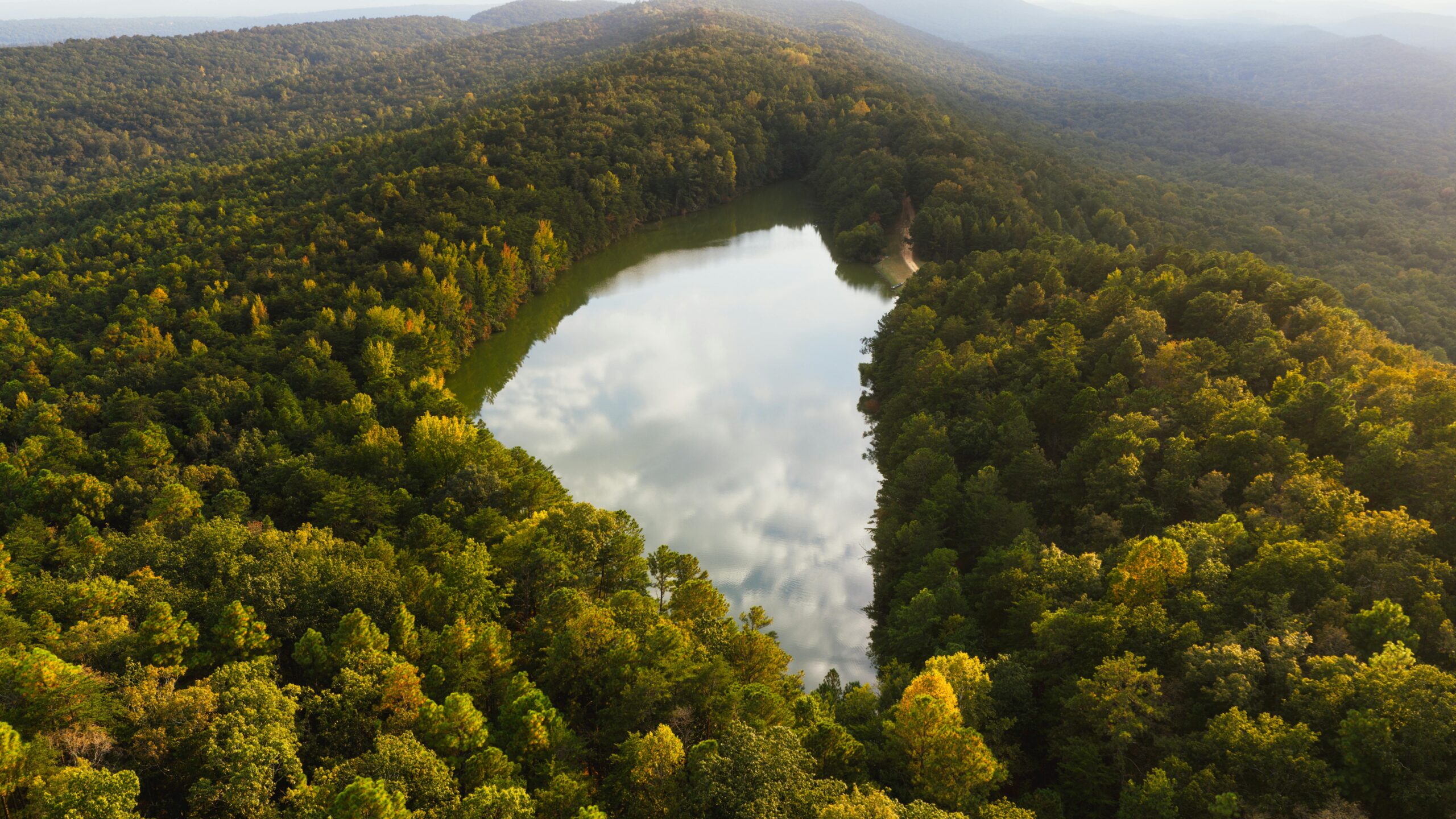
The sustainable tourism models emerging globally offer hope that we can preserve paradise while allowing people to experience our planet’s wonders. These approaches recognize that environmental protection, economic development, and cultural preservation are interdependent rather than conflicting goals.
Success requires collaboration across sectors—governments establishing supportive policies, businesses implementing sustainable practices, communities exercising stewardship, and travelers making responsible choices. Technology will play an increasingly important role, enabling smarter resource management, transparent supply chains, and innovative visitor experiences with minimal environmental impact.
The pandemic’s disruption of global tourism created an unexpected opportunity for reset and reflection. Many destinations used this pause to implement sustainable reforms, reassess development trajectories, and prioritize quality over quantity. As travel resumes, maintaining momentum toward sustainability requires vigilance against returning to destructive patterns.
Ultimately, sustainable tourism represents more than industry reform—it reflects evolving values about humanity’s relationship with nature and each other. By choosing eco-friendly adventures and supporting regenerative tourism models, we become part of a movement safeguarding Earth’s ecosystems for future generations. The paradise we preserve today becomes the legacy we leave tomorrow, ensuring that the world’s natural wonders endure for all who follow.
Every journey presents choices—between convenience and conscience, extraction and regeneration, consumption and contribution. By embracing sustainable tourism principles, travelers transform from mere spectators into active participants in conservation, proving that exploring our magnificent planet and protecting it are not opposing forces but complementary aspirations in our shared human journey.