
The transportation sector stands at a critical crossroads as humanity confronts the urgent challenge of climate change. Zero-carbon transportation systems represent our pathway to a sustainable future, combining innovation with environmental responsibility.

Every day, millions of vehicles emit greenhouse gases that accelerate global warming and deteriorate air quality in urban centers worldwide. The transition toward zero-carbon transportation isn’t merely an environmental imperative—it’s an economic opportunity that promises cleaner air, healthier communities, and technological advancement that will define the coming decades.
🌍 Understanding the Carbon Crisis in Modern Transportation
Transportation accounts for approximately 24% of global CO2 emissions from fuel combustion, making it one of the largest contributors to climate change. Conventional vehicles powered by fossil fuels release carbon dioxide, nitrogen oxides, and particulate matter that harm both planetary health and human well-being.
The automotive industry has historically relied on internal combustion engines burning gasoline and diesel. This dependence has created an infrastructure built around fossil fuels, from refineries to service stations spanning every continent. Breaking this dependency requires systemic transformation across manufacturing, energy production, and consumer behavior.
Urban areas bear the heaviest burden of transportation emissions. Cities worldwide experience air pollution levels that exceed WHO guidelines, causing respiratory diseases and premature deaths. Children and elderly populations face particular vulnerability to these environmental hazards, making the shift to zero-carbon systems a public health priority as much as an environmental one.
⚡ Electric Vehicles: The Cornerstone of Clean Transportation
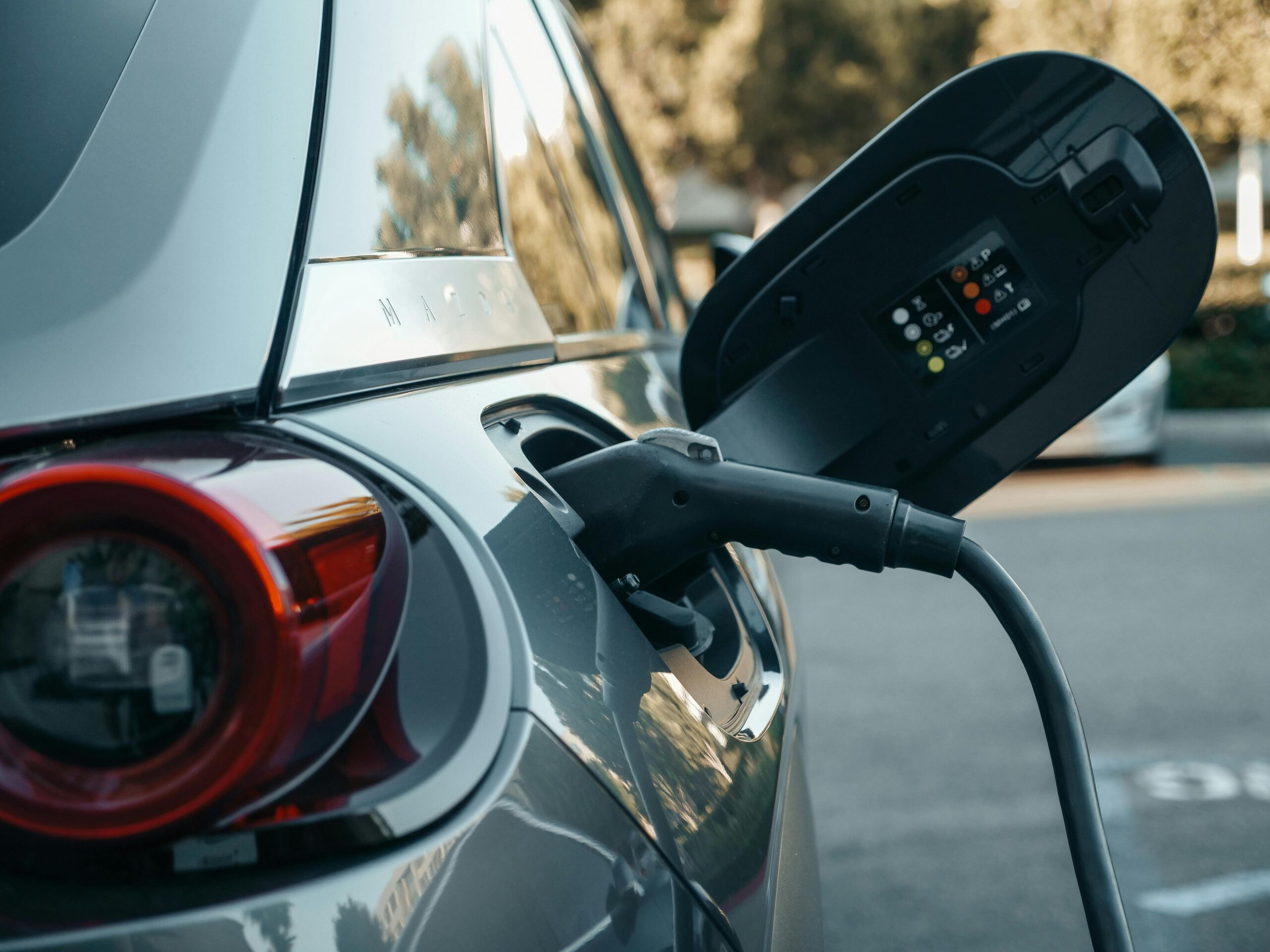
Electric vehicles (EVs) have emerged as the most viable immediate solution for passenger transportation decarbonization. Battery technology improvements have dramatically increased range while reducing costs, making EVs competitive with traditional vehicles in many markets.
Modern electric cars can travel 300-400 miles on a single charge, eliminating range anxiety that previously deterred consumers. Charging infrastructure continues expanding globally, with fast-charging stations capable of replenishing batteries to 80% capacity in under 30 minutes.
The environmental benefits of EVs extend beyond zero tailpipe emissions. When powered by renewable electricity sources like solar and wind, electric vehicles achieve true zero-carbon operation. Even when charged from grid electricity that includes fossil fuel generation, EVs produce fewer lifetime emissions than conventional vehicles due to superior efficiency.
Battery Technology Breakthroughs
Lithium-ion batteries dominate current EV technology, but next-generation alternatives promise even greater performance. Solid-state batteries could double energy density while improving safety and reducing charging times. Research into sodium-ion and lithium-sulfur chemistries offers potential for more sustainable materials and lower production costs.
Battery recycling represents another critical dimension of sustainable electric transportation. Closed-loop systems can recover valuable materials like lithium, cobalt, and nickel, reducing mining impacts and creating circular economy opportunities within the automotive sector.
🚆 Public Transit Electrification and Mass Transportation Solutions
While personal electric vehicles matter, public transportation electrification delivers exponentially greater emissions reductions per passenger mile. Electric buses, trams, and trains move more people using less energy, making them essential components of zero-carbon urban mobility.
Cities like Shenzhen, China, have electrified their entire bus fleets—over 16,000 vehicles—demonstrating that large-scale public transit transformation is achievable. These electric buses eliminate thousands of tons of CO2 emissions annually while reducing noise pollution and improving passenger experience.
Light rail and metro systems powered by electricity from renewable sources create high-capacity transportation corridors that shape sustainable urban development. Transit-oriented communities reduce automobile dependency, lowering overall transportation emissions while improving quality of life through reduced congestion and increased walkability.
Innovations in Rail Transportation
High-speed rail networks offer zero-carbon alternatives to short-haul flights, which generate disproportionate emissions relative to distance traveled. Countries with extensive rail infrastructure like Japan, France, and Spain have demonstrated that fast, comfortable train service can compete effectively with air travel for journeys under 500 miles.
Hydrogen fuel cell trains present solutions for rail lines where electrification proves impractical. Germany operates commercial hydrogen trains on regional routes, showcasing technology that could replace diesel locomotives on thousands of miles of track worldwide.
🚲 Micromobility and Active Transportation Infrastructure
Zero-carbon transportation encompasses more than motorized vehicles. Bicycles, e-bikes, and e-scooters provide efficient, emissions-free options for short trips that constitute the majority of urban journeys. Protected bike lanes and pedestrian-friendly streetscapes encourage active transportation that benefits both climate and public health.
E-bikes have revolutionized cycling by making longer distances and hilly terrain accessible to broader populations. Their electric assistance extends practical cycling range while requiring minimal energy—a typical e-bike battery uses less electricity than a household light bulb for equivalent operating time.
Bike-sharing and scooter-sharing systems integrate micromobility into comprehensive urban transportation networks. When properly implemented with adequate infrastructure and equitable access, these services reduce car trips and complement public transit, creating seamless multi-modal journeys.
✈️ Decarbonizing Aviation and Maritime Transport
Aviation and shipping present unique decarbonization challenges due to energy density requirements and operational constraints. However, multiple pathways toward zero-carbon flight and maritime transport are advancing rapidly.
Sustainable aviation fuels (SAF) derived from biomass or synthesized using renewable electricity can reduce lifecycle emissions by up to 80% compared to conventional jet fuel. Airlines have begun purchasing SAF, though production remains limited and costs elevated relative to fossil-based alternatives.
Electric aircraft development focuses initially on short regional routes where battery weight becomes manageable. Companies like Heart Aerospace and Eviation are developing electric planes for 100-200 mile routes that could transform regional connectivity with zero direct emissions.
Maritime Industry Transformation
Shipping accounts for approximately 3% of global emissions, moving 90% of traded goods. The International Maritime Organization has committed to reducing shipping emissions 50% by 2050, spurring innovation in propulsion technologies.
Ammonia and methanol fuels produced from renewable sources offer potential for large vessels requiring extended range. Wind-assisted propulsion using modern automated sails and rotors can supplement engines, reducing fuel consumption on transoceanic voyages.
🔋 Hydrogen: The Versatile Zero-Carbon Fuel
Hydrogen produced using renewable electricity—green hydrogen—provides versatile energy storage and transportation fuel applicable across multiple sectors. Fuel cell vehicles convert hydrogen to electricity with water as the only byproduct, offering zero-emission operation with refueling times comparable to gasoline vehicles.
Heavy-duty transportation including trucks, buses, and construction equipment may benefit particularly from hydrogen due to weight and range requirements that challenge battery-electric systems. Hydrogen trucks are entering commercial operation in logistics fleets, demonstrating viability for long-haul freight transportation.
The hydrogen infrastructure challenge resembles early electric vehicle charging network development. Strategic placement of refueling stations along major freight corridors can enable hydrogen adoption for commercial transportation while production scales and costs decline.
🏙️ Smart Cities and Integrated Transportation Systems
Zero-carbon transportation requires more than vehicle technology—it demands reimagined urban planning and intelligent systems that optimize mobility. Smart cities integrate real-time data, automated vehicles, and multi-modal transportation to move people efficiently while minimizing environmental impact.
Mobility-as-a-Service (MaaS) platforms combine public transit, ride-sharing, bike-sharing, and other options into unified digital interfaces. Users plan and pay for journeys regardless of provider, encouraging optimal transportation choices and reducing private car ownership.
Autonomous vehicles could enhance zero-carbon transportation through optimized routing, reduced congestion, and shared mobility models. Electric autonomous shuttles serving fixed routes or on-demand service can provide flexible transportation while eliminating driver costs that currently limit public transit expansion.
Infrastructure Requirements for Zero-Carbon Mobility
Transitioning to zero-carbon transportation demands substantial infrastructure investment. Charging stations, hydrogen refueling facilities, protected bike lanes, and expanded public transit all require funding and strategic planning.
Grid modernization becomes essential as transportation electrification increases electricity demand. Smart charging systems that align vehicle charging with renewable energy availability maximize environmental benefits while preventing grid strain during peak periods.
💰 Economic Opportunities in the Transportation Transition
The shift toward zero-carbon transportation creates enormous economic opportunities across manufacturing, energy, technology, and services. The electric vehicle industry alone represents trillions of dollars in investment, with battery production, charging infrastructure, and vehicle manufacturing generating millions of jobs worldwide.
Countries and regions positioning themselves as clean transportation leaders gain competitive advantages in emerging industries. China’s early investment in electric vehicle manufacturing has created domestic giants like BYD and positioned the nation as the world’s largest EV market and exporter.
Total cost of ownership for electric vehicles has reached parity or advantage in many markets despite higher purchase prices. Lower fuel costs, reduced maintenance requirements, and tax incentives make EVs economically attractive, accelerating adoption beyond environmentally motivated early adopters.
🌱 Policy Frameworks Driving Zero-Carbon Transportation
Government policies play crucial roles in accelerating transportation decarbonization. Emissions standards, purchase incentives, infrastructure investments, and fossil fuel vehicle phase-out dates create market signals that drive industry transformation.
Norway leads globally with over 80% new car sales being electric, achieved through tax incentives, free tolls and parking, and bus lane access for EVs. This demonstrates how comprehensive policy packages can rapidly transform transportation markets.
Carbon pricing mechanisms that make polluters pay for emissions create economic incentives favoring zero-carbon alternatives. Revenue from carbon taxes can fund public transit improvements and subsidies making clean transportation accessible to all income levels.
Addressing Equity in the Transportation Transition
Ensuring equitable access to zero-carbon transportation prevents creating a two-tier system where only affluent populations benefit from clean mobility options. Public transit investment, e-bike subsidies, and policies ensuring charging infrastructure in all communities advance both environmental and social justice.
Low-income communities often suffer disproportionate impacts from transportation pollution while having least access to clean alternatives. Targeted policies and investments can remedy these inequities while accelerating overall transition toward sustainable mobility.
🔮 The Road Ahead: Vision for 2050
Achieving truly zero-carbon transportation systems by mid-century requires sustained commitment, technological innovation, and societal transformation. The pathway is clear: electrify everything possible, use green hydrogen where batteries prove impractical, and dramatically expand public transit while supporting active transportation.
Cities of 2050 could feature quiet, clean streets with abundant green space reclaimed from parking lots and road infrastructure. Autonomous electric vehicles shared among multiple users would reduce total vehicle numbers while improving mobility access. High-speed rail networks would connect cities regionally, while electric aircraft serve longer routes.
The transportation transformation extends beyond climate benefits. Cleaner air means healthier populations with reduced healthcare costs. Quieter vehicles improve urban quality of life. Reduced oil dependence enhances energy security and geopolitical stability.
🚀 Taking Action: Individual and Collective Responsibility
Individuals can accelerate zero-carbon transportation through daily choices and advocacy. Choosing electric vehicles when purchasing cars, using public transit and active transportation when feasible, and supporting political leaders committed to climate action all contribute to systemic change.
Businesses bear responsibility for decarbonizing logistics and employee transportation. Fleet electrification, remote work policies reducing commuting, and sustainable business travel practices demonstrate corporate climate leadership while often reducing operational costs.
Communities can demand better public transit, protected bike infrastructure, and equitable access to charging facilities. Local action creates laboratories of innovation where successful approaches can scale nationally and globally.
🌟 Building Momentum Toward Sustainable Mobility
The transition to zero-carbon transportation has reached an inflection point. Technology costs are declining, policies are strengthening, and public awareness of climate urgency is growing. What seemed impossible a decade ago—mass-market electric vehicles, hydrogen trucks, electric aircraft—now represents commercial reality or near-term certainty.
Momentum compounds as infrastructure expands, technologies improve, and social norms shift. The first electric vehicle owner in a neighborhood inspires others. Each new bike lane increases cycling. Every transit expansion enables more people to live car-free or car-light lifestyles.
The zero-carbon transportation future isn’t a distant dream—it’s being built today through countless decisions by individuals, companies, and governments. Every journey taken by electric train rather than airplane, every e-bike trip replacing a car journey, every electric bus rolling off production lines moves humanity closer to sustainable mobility.
The challenge is immense but so is the opportunity. Transportation shaped the twentieth century through automobiles and aviation. Zero-carbon transportation systems will define the twenty-first century, creating prosperity compatible with planetary boundaries. The road to a cleaner, greener planet runs through transformed transportation systems—and that journey has already begun.