
Water scarcity has become one of the most pressing challenges facing humanity in the 21st century. As populations grow and climate patterns shift, innovative approaches to water management and irrigation are no longer optional—they’re essential for our survival.

From ancient civilizations to modern metropolises, water has always been the lifeblood of human progress. Today, however, we face an unprecedented crisis: nearly 2.2 billion people lack access to safely managed drinking water, and agricultural demands consume approximately 70% of global freshwater resources. This growing imbalance between supply and demand calls for revolutionary thinking and technological innovation to secure water for future generations.
🌊 The Global Water Crisis: Understanding the Magnitude
The statistics surrounding water scarcity paint a sobering picture. According to the United Nations, by 2025, half of the world’s population will live in water-stressed areas. This isn’t just about drinking water—it’s about food security, economic stability, and ecosystem health. Agriculture, which feeds billions, depends entirely on reliable water sources, making sustainable irrigation practices critical to our collective future.
Climate change has exacerbated this situation dramatically. Changing rainfall patterns, prolonged droughts, and extreme weather events have disrupted traditional water cycles. Regions that once enjoyed abundant rainfall now face severe shortages, while others experience devastating floods that contaminate freshwater supplies. The unpredictability of these patterns makes planning and resource allocation increasingly challenging for farmers, municipalities, and governments worldwide.
💧 Smart Irrigation: Technology Meets Agriculture
The agricultural sector stands at the forefront of the water revolution. Traditional irrigation methods waste enormous amounts of water through evaporation, runoff, and inefficient distribution. Enter precision agriculture and smart irrigation systems that are transforming how we cultivate crops while conserving precious water resources.
Sensor-Based Irrigation Systems
Modern sensor technology has revolutionized irrigation management. Soil moisture sensors buried at various depths provide real-time data about water content, allowing farmers to irrigate only when necessary. These systems eliminate guesswork and prevent both under-watering and over-watering, optimizing plant health while minimizing waste. Weather stations integrated with irrigation controllers can adjust watering schedules based on rainfall predictions, temperature, humidity, and wind speed.
Drip irrigation systems, enhanced with smart controls, deliver water directly to plant roots with remarkable precision. This method reduces water usage by 30-50% compared to traditional sprinkler systems while often improving crop yields. The combination of drip technology with automated controls and sensors creates a powerful tool for sustainable agriculture that adapts to changing conditions in real-time.
Satellite and Drone Technology
Remote sensing technology has opened new frontiers in water management. Satellites equipped with multispectral cameras can assess crop health, identify water stress, and map soil moisture across vast agricultural lands. This bird’s-eye view allows farmers to identify problem areas before they become critical, enabling targeted interventions that save both water and crops.
Drones complement satellite data by providing detailed, localized information. Flying over fields, drones can create detailed maps showing variations in plant health and moisture levels. This granular data enables variable rate irrigation, where different zones receive precisely calculated water amounts based on their specific needs. The result is optimal water efficiency across diverse landscapes.
🔬 Innovative Water Treatment and Recycling Solutions
Treating and recycling water represents another crucial strategy for addressing scarcity. Advanced purification technologies are making previously unusable water sources viable for irrigation and even human consumption, effectively expanding our available water supply.
Desalination Advances
Desalination technology has matured significantly in recent years. While traditional reverse osmosis processes were energy-intensive and costly, new innovations have dramatically improved efficiency. Forward osmosis, capacitive deionization, and solar-powered desalination systems are making seawater conversion more economically and environmentally feasible. Coastal agricultural regions are increasingly turning to desalinated water to supplement irrigation needs, particularly in arid climates where freshwater is scarce.
Wastewater Reclamation
The concept of “waste” water is becoming obsolete as treatment technologies advance. Municipal wastewater, once considered unusable for agriculture, can now be treated to standards suitable for irrigation. Advanced treatment facilities use biological processes, membrane filtration, and UV disinfection to produce water that’s safe for growing crops. This circular approach not only conserves freshwater but also recovers valuable nutrients that benefit plant growth.
Gray water systems at the household and community level capture water from sinks, showers, and washing machines for landscape irrigation. Simple filtration systems make this slightly used water perfectly suitable for watering gardens and lawns, reducing household water consumption by up to 40%. As these systems become more affordable and regulations adapt, gray water recycling is becoming increasingly mainstream.
🌱 Nature-Based Water Solutions
Sometimes the most innovative solutions draw inspiration from nature itself. Ecosystem-based approaches to water management work with natural processes rather than against them, often providing multiple benefits beyond water conservation.
Wetland Restoration and Construction
Wetlands act as nature’s water filters and storage systems. Restoring degraded wetlands or constructing artificial wetlands helps purify water naturally while providing habitat for wildlife and buffering against floods. These ecosystems trap sediments, filter pollutants, and slowly release clean water into aquifers and streams. Agricultural wetlands can treat farm runoff, preventing contamination of downstream water sources while creating valuable biodiversity corridors.
Rainwater Harvesting
Capturing rainwater is an ancient practice experiencing a modern renaissance. Contemporary rainwater harvesting systems range from simple residential rain barrels to sophisticated municipal installations that capture and store millions of gallons. In agricultural settings, farm ponds and reservoirs collect seasonal rainfall for use during dry periods, reducing dependence on groundwater and municipal supplies.
Urban rainwater harvesting addresses both water scarcity and stormwater management. Green roofs, permeable pavements, and bioswales capture rainfall where it falls, reducing runoff while recharging groundwater. These installations transform cities from water-wasting heat islands into productive components of the watershed.
📱 Digital Tools Empowering Water Stewardship
Mobile applications and cloud-based platforms are democratizing access to sophisticated water management tools. Farmers in remote regions can now access weather forecasts, irrigation recommendations, and expert advice through their smartphones. These digital solutions bridge the knowledge gap and make cutting-edge practices accessible to smallholder farmers worldwide.
Water management apps provide irrigation scheduling based on weather data, crop types, and soil conditions. Users input basic information about their fields, and algorithms calculate optimal watering times and amounts. Some platforms incorporate machine learning, improving recommendations over time based on user feedback and observed outcomes. This technology transfer is helping millions of farmers reduce water use while improving productivity.
💰 Economic Incentives and Policy Frameworks
Technology alone cannot solve water challenges—supportive policies and economic structures are equally important. Progressive water pricing that reflects true costs encourages conservation without penalizing essential use. Tiered pricing structures reward efficient users while discouraging waste, creating market-based incentives for adoption of water-saving technologies.
Governments worldwide are implementing subsidy programs for water-efficient irrigation equipment. These initiatives reduce the financial barrier to adopting drip systems, soil sensors, and other conservation technologies. By offsetting initial investment costs, these programs accelerate the transition to sustainable water use across the agricultural sector.
Water Rights and Allocation
Reforming water rights systems represents a complex but necessary challenge. Many regions operate under outdated allocation frameworks that incentivize waste rather than conservation. Modern approaches include tradable water rights that allow efficient users to profit from conservation, creating economic value for saving water rather than using maximum allocations.
🌍 Community-Led Conservation Initiatives
Grassroots movements and community organizations play vital roles in water conservation. Local water user associations bring stakeholders together to manage shared resources collaboratively. These groups often develop innovative solutions tailored to specific regional challenges, combining traditional knowledge with modern techniques.
Education programs raise awareness about water issues and teach practical conservation skills. School curricula increasingly include water stewardship, creating generations that understand water’s value. Community workshops demonstrate water-saving techniques for gardens, farms, and households, spreading best practices through social networks more effectively than top-down mandates.
🔮 Emerging Technologies on the Horizon
The next generation of water innovations promises even greater efficiency and sustainability. Atmospheric water generators extract moisture from air, potentially providing water in the driest environments. While currently expensive and energy-intensive, ongoing research aims to make these devices practical for broader applications.
Nanotechnology offers revolutionary filtration capabilities. Nanomaterial membranes can remove contaminants at the molecular level with less energy than conventional systems. Graphene-based filters show particular promise, potentially making desalination and wastewater treatment dramatically more efficient.
Artificial Intelligence and Machine Learning
AI systems are becoming powerful tools for water management. Machine learning algorithms analyze vast datasets from sensors, satellites, weather stations, and historical records to predict water needs with unprecedented accuracy. These systems can identify patterns humans might miss, optimizing irrigation schedules and detecting leaks or inefficiencies before they waste significant water.
Predictive analytics help water utilities and agricultural operations plan for future scenarios. By modeling different climate conditions, population changes, and consumption patterns, AI tools inform infrastructure investments and policy decisions, helping communities prepare for water challenges before they become crises.
🤝 Global Cooperation and Knowledge Sharing
Water challenges transcend borders, requiring international collaboration. Organizations like the World Water Council and regional water partnerships facilitate knowledge exchange between nations. Countries facing similar challenges share successful strategies, accelerating the adoption of effective solutions globally.
Research collaborations between universities and institutions worldwide advance water science. Open-source platforms share data, methodologies, and findings, preventing duplication of effort and accelerating innovation. This collaborative approach recognizes that solving water scarcity benefits all humanity, not just individual nations or regions.
🌾 Case Studies: Success Stories from Around the Globe
Israel has become a global leader in water innovation, recycling nearly 90% of its wastewater for agricultural use—far exceeding any other nation. The country’s drip irrigation technology has been adopted worldwide, demonstrating how necessity drives innovation. Despite its arid climate, Israel has achieved water security through comprehensive strategies combining technology, policy, and culture.
India’s community-led water conservation movement has revived thousands of traditional water harvesting structures. By rehabilitating ancient stepwells, ponds, and check dams, villages have raised water tables and secured agricultural water supplies. This blend of traditional wisdom and modern organization shows how historical knowledge remains relevant to contemporary challenges.
Singapore’s NEWater program transforms treated wastewater into ultra-clean water suitable for industrial use and even drinking. This closed-loop system reduces dependence on imported water and demonstrates the viability of water recycling at scale. The program has become a model for water-scarce urban areas worldwide.
🎯 Taking Action: What Individuals Can Do
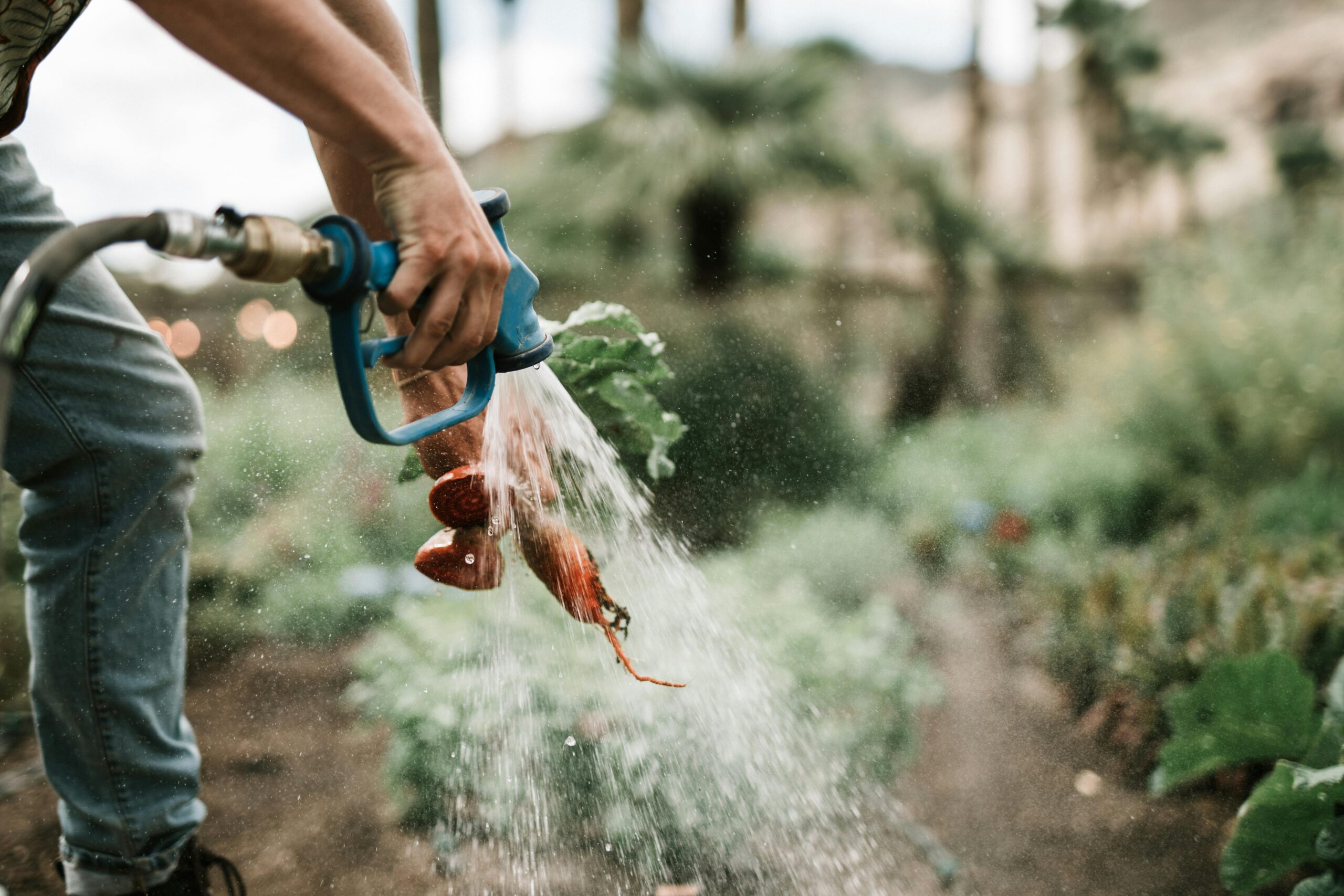
While large-scale solutions require institutional action, individual choices collectively make significant impacts. Home gardens can adopt drip irrigation or install rain barrels. Choosing drought-resistant plants reduces landscape water needs without sacrificing beauty. Simple behavioral changes—shorter showers, fixing leaks promptly, running full dishwasher loads—save thousands of gallons annually per household.
Supporting policies and politicians committed to water conservation amplifies individual impact. Voting for infrastructure investments, participating in public comment periods on water regulations, and joining local watershed groups help shape community water futures. Consumer choices favoring products from water-conscious companies send market signals that drive corporate behavior.
🌟 Building a Water-Secure Future
The convergence of technology, policy innovation, and growing awareness creates unprecedented opportunities to address water scarcity. Precision irrigation systems, advanced treatment technologies, and nature-based solutions offer proven pathways to sustainability. Digital tools democratize access to water management expertise, empowering farmers and communities worldwide.
Success requires commitment across all sectors of society. Governments must modernize water policies and invest in infrastructure. Businesses need to prioritize water efficiency and innovation. Communities must embrace conservation practices and protect local water resources. Individuals contribute through daily choices and civic engagement.
The challenge is substantial, but so is human ingenuity. Throughout history, societies have risen to meet existential threats through innovation and cooperation. Water scarcity demands nothing less than a comprehensive transformation of how we value, manage, and use this essential resource. The solutions exist; implementation is our collective responsibility.
By embracing innovative water solutions and sustainable irrigation practices today, we secure not just our own future but that of generations to come. Every drop saved, every system optimized, and every policy improved contributes to a world where clean water sustains thriving communities, productive agriculture, and healthy ecosystems. The time for action is now—our thirsty planet cannot wait.