Access to clean water and adequate sanitation remains one of humanity’s most pressing challenges. Social startups worldwide are stepping up to bridge this gap, combining innovation with social impact to transform communities from the ground up.

These mission-driven enterprises are rewriting the rulebook on how we address water scarcity and sanitation crises. By leveraging technology, community engagement, and sustainable business models, they’re proving that profit and purpose can coexist while solving problems that governments and traditional NGOs have struggled with for decades.
💧 The Global Water and Sanitation Crisis: Understanding the Magnitude
The numbers paint a sobering picture of our current reality. According to the World Health Organization, over 2 billion people lack access to safely managed drinking water services, while 3.6 billion lack access to safely managed sanitation facilities. This isn’t just a statistic—it represents millions of families facing daily struggles that impact health, education, and economic opportunities.
Waterborne diseases claim approximately 485,000 lives annually, with children under five being the most vulnerable. Communities without proper sanitation infrastructure face increased risks of cholera, dysentery, typhoid, and polio. The economic burden is equally staggering, with poor sanitation costing countries up to 5% of their GDP through healthcare costs, lost productivity, and premature deaths.
Women and girls bear a disproportionate burden of this crisis. In many developing regions, they spend an average of 200 million hours daily collecting water—time that could be invested in education or income-generating activities. The lack of private sanitation facilities also poses significant safety and dignity concerns, particularly during menstruation.
🚀 The Rise of Water and Sanitation Social Startups
Traditional approaches to water and sanitation challenges often relied heavily on government programs and charitable donations. While these efforts achieved important milestones, they frequently struggled with sustainability, scalability, and local adaptation. Social startups emerged as a fresh alternative, bringing entrepreneurial thinking to social problems.
These ventures operate at the intersection of business and social impact. They develop revenue-generating models that ensure long-term sustainability while maintaining their primary focus on serving underserved communities. This hybrid approach attracts diverse funding sources, from impact investors to philanthropic organizations seeking measurable outcomes.
The social startup ecosystem in water and sanitation has grown exponentially over the past decade. Accelerators, incubators, and impact investment funds now specifically target ventures addressing WASH (Water, Sanitation, and Hygiene) challenges. This growing infrastructure provides startups with mentorship, funding, and networks essential for scaling their impact.
Key Characteristics of Successful Water Social Enterprises
The most effective water and sanitation social startups share several defining characteristics. They prioritize community participation from the design phase, ensuring solutions align with local needs and cultural contexts. This bottom-up approach increases adoption rates and long-term sustainability.
Financial sustainability is built into their core models. Rather than depending solely on grants, these ventures create revenue streams through affordable service fees, cross-subsidies, or complementary products and services. This financial independence enables them to scale without constantly seeking external funding.
Technology integration sets modern social startups apart from traditional interventions. From mobile payment systems that facilitate water bill collection to IoT sensors that monitor water quality in real-time, these ventures leverage digital tools to increase efficiency and transparency.
🌍 Innovative Solutions Transforming Communities
Decentralized Water Purification Systems
Many social startups are deploying community-scale water purification systems that operate independently of centralized infrastructure. These systems use various technologies—from solar-powered UV purification to advanced filtration—to provide safe drinking water at local water kiosks or distribution points.
The decentralized approach offers several advantages. Communities don’t need to wait for expensive municipal infrastructure. Systems can be quickly deployed and easily maintained by trained local operators. The pay-per-use model keeps water affordable while generating revenue for system maintenance and expansion.
Innovative pricing strategies ensure accessibility across income levels. Some startups implement tiered pricing where higher-income users subsidize rates for low-income families. Others partner with local governments or NGOs to provide vouchers for the most vulnerable households.
Smart Sanitation Solutions
Sanitation startups are revolutionizing waste management in areas lacking sewer infrastructure. Container-based sanitation systems provide households with portable toilets that are regularly collected and safely processed. This approach offers dignity and convenience while preventing environmental contamination.
The waste collected through these systems often becomes a resource rather than a problem. Social enterprises convert human waste into valuable products like biogas for cooking, organic fertilizers for agriculture, or even building materials. This circular economy approach creates additional revenue streams while addressing multiple community needs.
Technology plays a crucial role in making sanitation services efficient and user-friendly. Mobile apps allow customers to schedule waste collection, make payments, and provide feedback. GPS tracking ensures timely service delivery, while data analytics help optimize collection routes and predict maintenance needs.
Behavior Change and Hygiene Education Platforms
Access to infrastructure alone doesn’t guarantee improved health outcomes. Social startups recognize that behavior change is equally critical. Many develop comprehensive hygiene education programs that complement their infrastructure solutions.
These programs employ creative communication strategies tailored to local contexts. Some use entertainment-education approaches, embedding hygiene messages in popular music, theater performances, or mobile games. Others train community health workers who conduct door-to-door education and serve as ongoing resources for families.
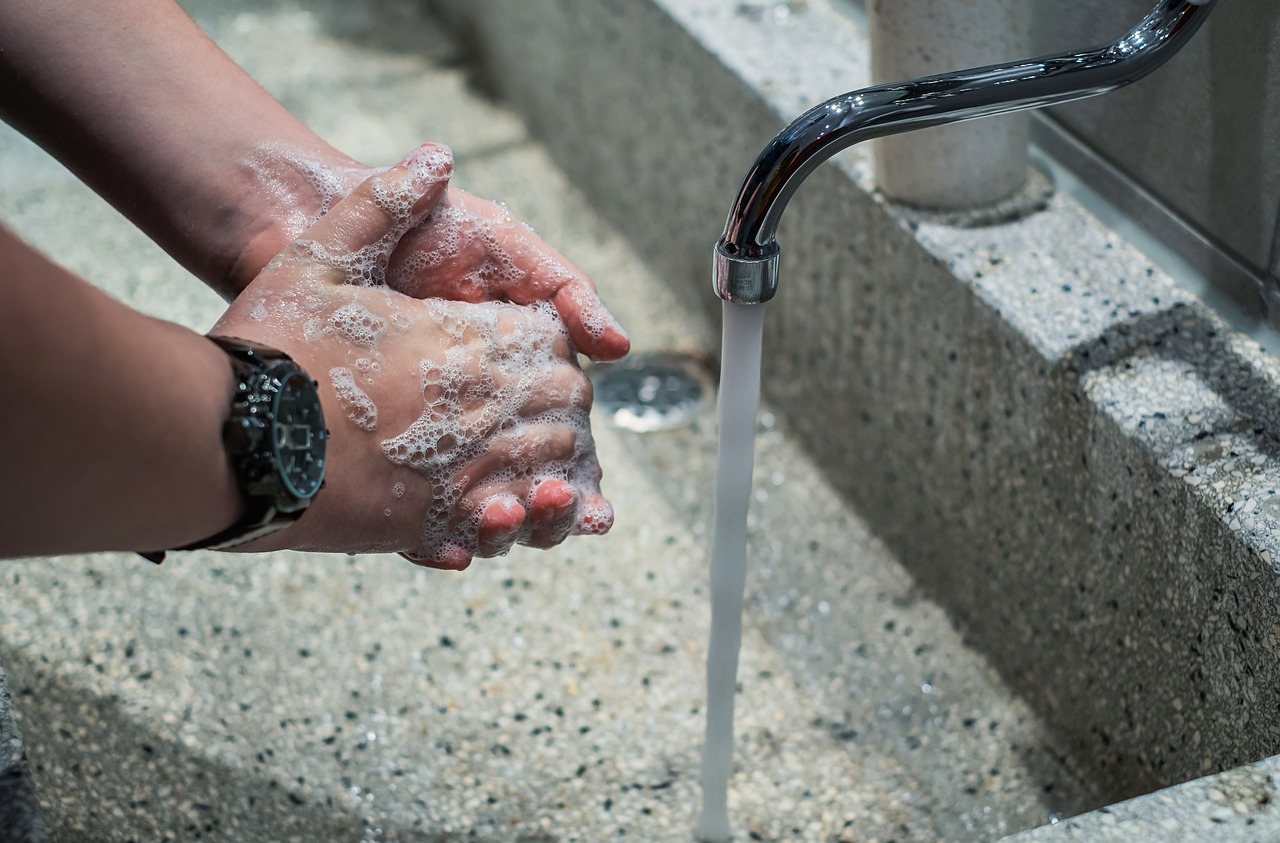
Digital platforms are expanding the reach of hygiene education. Mobile apps provide interactive lessons on handwashing, safe water storage, and menstrual hygiene management. Gamification elements encourage consistent practice, with users earning points or badges for completing hygiene activities.
📊 Measuring Impact: Beyond Numbers to Real Change
Social startups in the water and sanitation sector face unique challenges in demonstrating their impact. Unlike traditional businesses that measure success purely through financial metrics, these ventures must track both social outcomes and business performance.
Comprehensive impact measurement frameworks have emerged to address this complexity. Startups typically track multiple indicators across health, economic, social, and environmental dimensions. These might include reductions in waterborne disease incidence, time saved on water collection, school attendance improvements for girls, and carbon emissions avoided.
Health impact represents the most direct measure of success. Startups work with local health authorities to monitor disease surveillance data in communities they serve. Decreases in diarrheal disease cases, particularly among children, provide powerful evidence of their interventions’ effectiveness.
Economic benefits extend beyond the immediate health savings. When families spend less on treating waterborne illnesses and women reclaim time previously spent collecting water, household productivity increases. Some studies show that improved water access can increase household income by 10-20% as members engage in more economic activities.
Technology Enabling Better Impact Tracking
Digital tools have revolutionized how social startups collect and analyze impact data. IoT sensors installed in water systems provide real-time data on water quality, flow rates, and system functionality. This automated data collection reduces costs while increasing accuracy and frequency of measurements.
Mobile technology facilitates community-level data collection. Field workers use smartphone apps to conduct surveys, capture photos, and record GPS coordinates. This digitization eliminates paper-based processes, reduces errors, and enables rapid data analysis.
Blockchain technology is emerging as a tool for transparent impact reporting. Some startups use blockchain to create immutable records of service delivery and impact metrics, building trust with investors, donors, and the communities they serve.
💰 Funding Models Powering the Movement
Financial sustainability remains critical for social startups aiming to create lasting change. The sector has witnessed innovative funding models that blend different capital sources to match various stages of venture development.
Impact investors have become major players in the water and sanitation space. These investors seek both financial returns and measurable social impact, making them ideal partners for social enterprises. Impact investment funds specifically focused on WASH have grown significantly, providing growth capital to proven ventures ready to scale.
Blended finance structures combine grants, concessional loans, and commercial investment to de-risk ventures and attract diverse capital. Early-stage grants might fund pilot projects and business model refinement, while later-stage commercial investment supports scaling operations.
Results-based financing mechanisms tie funding to achievement of specific outcomes. Development impact bonds, for example, provide upfront capital from investors with returns contingent on achieving predetermined social metrics. This approach aligns incentives and ensures accountability.
Revenue Generation Strategies
Successful water and sanitation social startups employ creative revenue models that balance affordability with financial sustainability. User fees remain the most common approach, but startups carefully structure pricing to maintain accessibility while covering operational costs.
Cross-subsidy models leverage higher margins from commercial clients or premium services to support affordable pricing for low-income households. A sanitation startup might charge businesses higher rates for waste collection while offering subsidized residential services.
Some ventures develop complementary product lines that generate additional revenue. A water purification social enterprise might also sell soap, water storage containers, or filtration products. These ancillary sales improve unit economics while meeting related customer needs.
🤝 Building Partnerships for Greater Impact
No social startup operates in isolation. Strategic partnerships multiply impact by combining different organizations’ strengths, resources, and networks. The most successful water and sanitation ventures actively cultivate diverse partnership ecosystems.
Government partnerships provide crucial support through policy alignment, regulatory facilitation, and potential subsidies. When governments recognize social startups as partners in achieving universal water and sanitation access, they can streamline permitting, provide land for facilities, or integrate startup services into public health programs.
Corporate partnerships bring resources, expertise, and market access. Companies in related sectors—telecommunications, financial services, consumer goods—often seek meaningful CSR partnerships. These collaborations might involve technology sharing, employee volunteering, or co-marketing arrangements.
NGOs and community organizations offer deep local knowledge and established trust networks. Partnerships with these groups accelerate community entry, enhance cultural appropriateness, and improve service adoption rates. Many startups employ NGOs to handle community mobilization while they focus on service delivery.
🌟 Success Stories: Startups Making Waves
Real-world examples demonstrate how social startups are transforming communities across diverse contexts. While each operates in unique circumstances, common themes of innovation, persistence, and community focus emerge across success stories.
In Kenya, several social enterprises have deployed smart water dispensers powered by mobile payment technology. These ATM-like kiosks allow customers to purchase exactly the amount of clean water they need using mobile money. The model has provided reliable water access to thousands of households while creating local employment opportunities.
Indian sanitation startups have pioneered container-based sanitation at scale, serving hundreds of thousands of people in informal settlements. By converting waste into valuable compost, these ventures created circular business models that are both environmentally sustainable and financially viable.
Latin American water entrepreneurs have developed innovative financing mechanisms that help low-income families afford household water connections. Through microfinance partnerships and installment payment plans, they’ve eliminated the upfront cost barrier that previously kept families dependent on expensive water vendors.
⚠️ Challenges and Barriers to Overcome
Despite impressive successes, water and sanitation social startups face significant obstacles. Understanding these challenges is essential for ecosystem development and supporting ventures to achieve their potential.
Regulatory complexity presents major hurdles in many contexts. Water and sanitation sectors are typically heavily regulated, with quality standards, licensing requirements, and operational restrictions. Navigating these regulations requires time, expertise, and often political connections that early-stage startups lack.
Funding gaps remain persistent, particularly for ventures in the “messy middle”—past pilot stage but not yet profitable enough to attract commercial investment. This valley of death claims many promising startups that proved their concept but couldn’t secure growth capital.
Customer acquisition and retention challenge ventures serving low-income communities. Building trust, changing ingrained behaviors, and maintaining consistent payment collection require substantial time and resources. High customer acquisition costs can undermine otherwise sound business models.
Cultural and Social Barriers
Deep-rooted cultural practices and beliefs sometimes conflict with improved water and sanitation behaviors. Open defecation, for example, persists in some communities not merely due to lack of facilities but because of cultural norms and preferences. Addressing these barriers requires sensitive, long-term engagement rather than technological fixes alone.
Gender dynamics influence water and sanitation decision-making in many households. Startups must understand and navigate these dynamics to ensure women’s voices are heard in solution design, even when men control household finances.
🔮 The Future of Water and Sanitation Social Enterprise
The water and sanitation social enterprise sector stands at an inflection point. Growing recognition of market-based approaches to development challenges, expanding impact investment capital, and rapid technological advancement create favorable conditions for continued growth.
Artificial intelligence and machine learning will increasingly optimize water and sanitation service delivery. Predictive analytics can forecast demand patterns, identify infrastructure problems before failures occur, and personalize behavior change interventions for maximum effectiveness.
Climate change will intensify water scarcity in many regions, creating both challenges and opportunities for social enterprises. Ventures developing climate-resilient water solutions—rainwater harvesting, fog collection, desalination—will become increasingly critical.
The COVID-19 pandemic dramatically highlighted the importance of handwashing and sanitation infrastructure. This heightened awareness may translate into increased funding, policy support, and consumer willingness to pay for improved services.
🎯 Creating Systemic Change Beyond Individual Ventures
Individual startups create important local impact, but systemic change requires ecosystem-level transformation. The water and sanitation social enterprise movement is increasingly focusing on building enabling environments that allow numerous ventures to flourish.
Knowledge sharing platforms help startups learn from each other’s successes and failures. Networks and associations provide forums for sharing best practices, standardizing impact measurement, and collectively advocating for supportive policies.
Capacity building initiatives are developing the next generation of water and sanitation entrepreneurs. Accelerator programs, university courses, and fellowship opportunities are creating pipelines of skilled founders committed to solving these challenges.
Policy advocacy efforts seek to create regulatory frameworks that facilitate rather than hinder social enterprise. This includes streamlined permitting for small-scale providers, quality standards appropriate for different contexts, and public procurement policies that enable government partnerships with social startups.
💪 Empowering Communities as Co-Creators
The most transformative social startups recognize that sustainable change requires community ownership rather than passive service receipt. They design participatory processes that engage community members as partners in problem-solving.
Some ventures train local entrepreneurs to operate as franchisees or agents, distributing ownership and creating livelihood opportunities. This approach rapidly scales impact while ensuring services remain responsive to local needs.
Community financing mechanisms like savings groups or cooperative ownership structures give residents financial stakes in water and sanitation infrastructure. When communities contribute financially—even modest amounts—they demonstrate commitment and ensure voice in governance decisions.
Youth engagement programs recruit young people as change agents within their communities. Trained youth ambassadors promote hygiene behaviors, monitor water quality, and provide feedback to service providers. This approach builds local capacity while creating youth employment.
🌈 A Cleaner, Healthier Future Within Reach
Water and sanitation social startups are proving that innovative, sustainable solutions to fundamental human needs are possible. They’re demonstrating that we don’t have to choose between impact and sustainability, between serving the poor and building viable businesses.
The challenges remain enormous—billions still lack adequate water and sanitation services. But the growing movement of social entrepreneurs, armed with technology, innovative business models, and deep commitment to communities, offers genuine hope. Each family gaining access to clean water, each child saved from waterborne disease, represents not just a statistic but a life transformed.
As the ecosystem matures with stronger funding mechanisms, supportive policies, and proven models ready to scale, the collective impact will grow exponentially. The vision of universal access to clean water and dignified sanitation—once seeming impossibly distant—is becoming achievable. Social startups aren’t just building businesses; they’re building the foundation for healthier, more prosperous communities and a more equitable world.