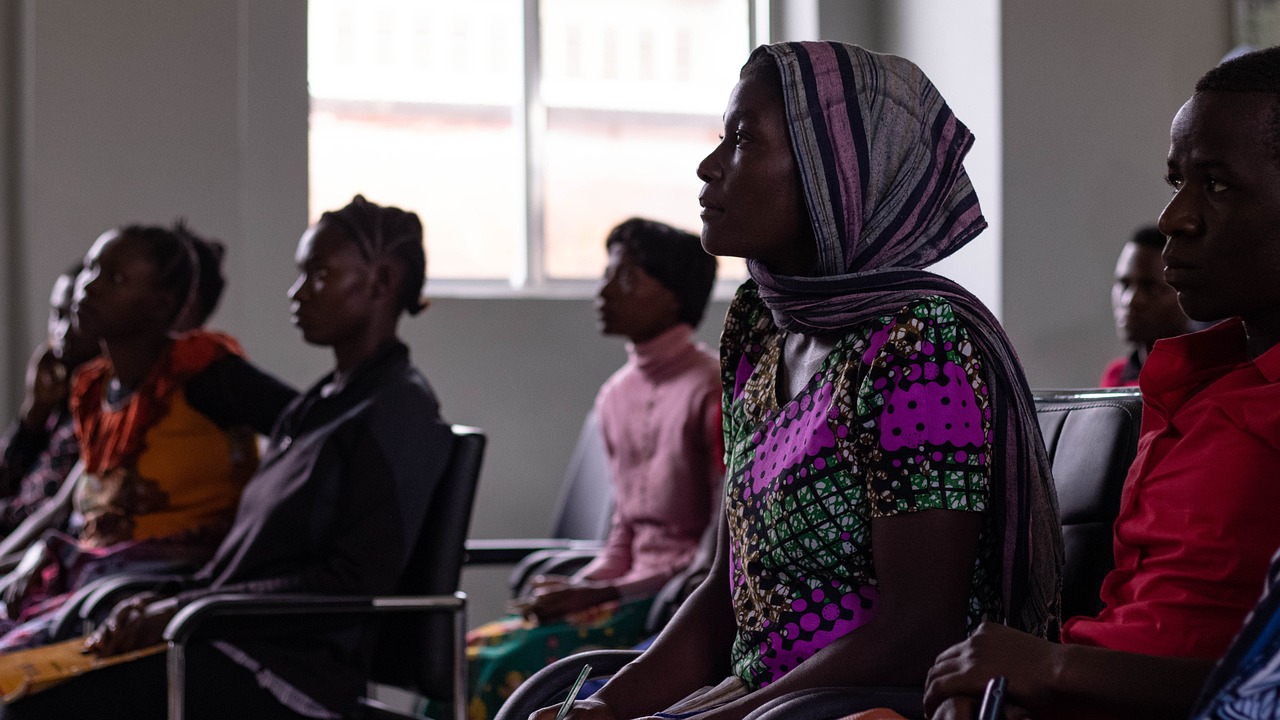
Healthcare remains one of the most critical challenges facing vulnerable communities worldwide. Despite advances in medical technology and treatment options, millions still struggle to access basic healthcare services due to financial constraints and systemic barriers.

Innovative startups are emerging as powerful agents of change, disrupting traditional healthcare models with affordable solutions specifically designed for underserved populations. These mission-driven companies are leveraging technology, creative business models, and community-centered approaches to bridge the gap between quality healthcare and those who need it most. Their work represents more than just business opportunities—it’s about restoring dignity and hope to communities that have been historically marginalized by the healthcare system.
🌍 The Healthcare Crisis in Vulnerable Communities
The statistics paint a sobering picture of healthcare inequality across the globe. According to the World Health Organization, at least half of the world’s population lacks access to essential health services. In developing nations, out-of-pocket healthcare expenses push approximately 100 million people into extreme poverty annually. Even in developed countries, vulnerable communities—including low-income families, rural populations, immigrants, and minorities—face significant barriers to healthcare access.
These barriers are multifaceted. Cost remains the primary obstacle, with medical procedures, prescription medications, and even basic consultations often priced beyond reach. Geographic limitations compound the problem, particularly in rural areas where healthcare facilities may be hours away. Language barriers, lack of health literacy, cultural insensitivity, and systemic discrimination further prevent vulnerable populations from receiving adequate care.
Traditional healthcare systems, built on fee-for-service models and profit-driven insurance frameworks, have proven inadequate in addressing these disparities. This gap has created fertile ground for innovative startups willing to challenge conventional wisdom and reimagine how healthcare can be delivered affordably and accessibly.
💡 The Startup Revolution in Affordable Healthcare
Healthcare startups focusing on vulnerable communities are distinguishing themselves through several key approaches. Rather than simply replicating existing models at lower prices, these innovators are fundamentally rethinking healthcare delivery from the ground up.
Many are embracing technology as an equalizer. Telemedicine platforms have exploded in popularity, connecting patients in remote areas with qualified healthcare providers through smartphones and internet connections. Mobile health applications provide diagnostic tools, medication reminders, and health education directly to users’ devices, bypassing the need for expensive infrastructure.
Technology-Driven Solutions Breaking Barriers
Artificial intelligence and machine learning are enabling startups to offer diagnostic services at a fraction of traditional costs. AI-powered chatbots can conduct preliminary health assessments, triaging patients and directing them to appropriate care levels. Computer vision algorithms can analyze medical images for signs of diseases like tuberculosis, diabetic retinopathy, and skin conditions, making screening accessible in resource-limited settings.
Blockchain technology is being explored to create secure, portable health records that patients can control regardless of their geographic location or socioeconomic status. This innovation proves particularly valuable for migrant communities and those without stable housing who struggle to maintain continuous healthcare relationships.
Community-Centered Business Models
Progressive healthcare startups are also innovating on the business model front. Subscription-based primary care services offer unlimited consultations for flat monthly fees as low as $10-20, making budgeting for healthcare more predictable. Sliding-scale payment systems adjust costs based on income verification, ensuring services remain accessible across economic strata.
Some startups have adopted social enterprise models, where profits from services to paying customers subsidize free or reduced-cost care for those in need. Others partner with local community organizations, religious institutions, and nonprofits to establish trust and ensure cultural competency in their service delivery.
🏥 Real-World Examples Making Real Impact
Several healthcare startups have demonstrated remarkable success in serving vulnerable communities while maintaining financial sustainability. These pioneers provide valuable blueprints for others seeking to enter the affordable healthcare space.
In India, companies like Practo and mfine have created comprehensive digital health platforms connecting millions of users with affordable consultations, diagnostic services, and medication delivery. Their success stems from understanding local contexts—offering services in multiple regional languages, integrating with payment systems accessible to unbanked populations, and pricing services within reach of middle and lower-income families.
In sub-Saharan Africa, startups like Babylon Health and mPharma are revolutionizing healthcare access. Babylon’s AI-powered symptom checker and telemedicine platform have brought quality consultations to areas with severe physician shortages. mPharma’s prescription drug network negotiates bulk purchasing agreements to reduce medication costs by up to 40%, while its credit program allows patients to pay for medicines in installments.
Latin American Innovation Leaders
Latin America has witnessed impressive healthcare startup growth. Brazilian company Dr. Consulta operates a chain of low-cost medical centers in São Paulo and other urban areas, offering consultations for approximately $10—less than one-third the typical private clinic cost. The company achieves this through operational efficiency, high patient volume, and partnerships with pharmaceutical companies for medication access.
Colombian startup 1DOC3 provides free, 24/7 telemedicine consultations throughout Latin America, monetizing through partnerships with employers, insurers, and pharmaceutical companies rather than charging vulnerable patients directly. This innovative approach has facilitated over 10 million consultations since its founding.
📱 Mobile Technology as Healthcare Infrastructure
For many vulnerable communities, particularly in developing regions, mobile phones represent the most accessible technology platform. Healthcare startups have recognized this reality and designed mobile-first solutions that work even on basic smartphones with limited data connectivity.
SMS-based health services provide medication reminders, appointment notifications, and health tips to patients without requiring smartphones or internet access. USSD technology allows feature phone users to access health information and even book appointments through simple text menus.
Smartphone applications have become increasingly sophisticated in their offerings. Health tracking apps help patients manage chronic conditions like diabetes and hypertension through medication logging, symptom monitoring, and lifestyle guidance. Mental health apps provide cognitive behavioral therapy exercises, meditation guidance, and crisis support—addressing the often-overlooked mental health needs of vulnerable populations.
Diagnostics in Your Pocket
Perhaps most revolutionary are mobile apps that transform smartphones into diagnostic tools. Camera-based apps can assess skin conditions, detect eye diseases, and even estimate hemoglobin levels through fingertip photos. When combined with affordable smartphone attachments, mobile devices can function as otoscopes, ophthalmoscopes, and ECG monitors—bringing diagnostic capabilities to remote health workers serving isolated communities.
These technologies dramatically reduce the need for expensive diagnostic equipment and specialist consultations, making early disease detection accessible to populations who would otherwise go undiagnosed until conditions become critical and treatment costs escalate.
💊 Addressing the Medication Affordability Crisis
Prescription medication costs represent a significant burden for vulnerable communities worldwide. Healthcare startups are tackling this challenge through multiple strategies that make essential medications more affordable without compromising quality.
Generic medication platforms connect patients directly with generic drug manufacturers, eliminating middlemen and reducing costs by 50-80% compared to traditional pharmacy prices. These platforms typically offer home delivery, subscription services for chronic condition medications, and price transparency tools that help patients compare costs across different drugs and pharmacies.
Prescription assistance programs, often run by social enterprise startups, navigate the complex landscape of manufacturer assistance programs, nonprofit drug funds, and government programs to help patients access medications they otherwise couldn’t afford. These services prove particularly valuable for expensive specialty medications used to treat conditions like cancer, HIV, and autoimmune diseases.
Pharmacy Networks Transforming Access
Startup-powered pharmacy networks are restructuring medication distribution in developing regions. By aggregating purchasing power across multiple pharmacies, these networks negotiate better prices from suppliers and pass savings to consumers. They also provide independent pharmacies with inventory management systems, demand forecasting, and working capital—strengthening local healthcare infrastructure while improving affordability.
🤝 Partnerships Amplifying Impact
The most successful affordable healthcare startups recognize that sustainable impact requires collaboration. Strategic partnerships multiply their reach and enhance their offerings in ways that benefit vulnerable communities.
Partnerships with governments allow startups to integrate their services into public health systems, gaining credibility while ensuring alignment with national health priorities. Several countries have incorporated telemedicine startups into their public healthcare offerings, subsidizing services for low-income populations while the startup provides the technology platform and clinical network.
Corporate partnerships with employers bring preventive care and primary healthcare to workers in informal economies—street vendors, agricultural workers, domestic employees—who typically lack employer-sponsored health benefits. These B2B2C models provide startups with stable revenue while extending services to populations who wouldn’t directly purchase them.
Nonprofit Collaborations Creating Synergies
Partnerships with established nonprofits and NGOs provide startups with community connections, local knowledge, and credibility that would take years to develop independently. Nonprofits benefit from startups’ technological capabilities and innovative approaches, creating synergies that serve vulnerable communities more effectively than either organization could alone.
Academic medical centers increasingly partner with healthcare startups, providing clinical expertise, research capabilities, and training opportunities while learning from startups’ agile approaches and technological innovation. These partnerships often focus on developing evidence-based solutions specifically tailored to vulnerable populations’ needs.
⚡ Overcoming Implementation Challenges
Despite their potential, affordable healthcare startups face significant obstacles when serving vulnerable communities. Understanding these challenges is essential for developing effective solutions.
Trust represents a fundamental barrier. Communities that have experienced healthcare discrimination or received substandard care often approach new services skeptically. Startups must invest considerable time and resources in community engagement, cultural competency training, and building relationships with trusted community leaders who can vouch for their services.
Technology literacy varies significantly within vulnerable populations. While younger generations may embrace digital health tools readily, older adults and those with limited education may struggle. Successful startups design intuitive interfaces, provide hands-on training, and maintain human customer support options alongside digital services.
Regulatory Navigation and Compliance
Healthcare remains among the most heavily regulated industries globally. Startups must navigate complex licensing requirements, data privacy regulations, and quality standards that vary across jurisdictions. Compliance costs can strain limited startup resources, particularly when operating across multiple regions with different regulatory frameworks.
Financial sustainability presents an ongoing challenge. Serving vulnerable communities often means operating on thin margins. Startups must carefully balance affordability with the need to generate sufficient revenue for operations, growth, and investor returns. Those that successfully navigate this balance typically diversify revenue streams, cross-subsidize services, and maintain disciplined cost management.
📊 Measuring Impact Beyond Profit
Healthcare startups serving vulnerable communities increasingly embrace impact measurement frameworks that assess their social value alongside financial performance. These metrics help demonstrate value to impact investors, guide strategic decisions, and ensure services genuinely benefit target populations.
Key impact metrics include the number of previously unserved individuals accessing care, reductions in preventable disease complications, improvements in health outcomes compared to baseline measurements, and cost savings to patients and health systems. Many startups track patient satisfaction scores, health literacy improvements, and medication adherence rates as indicators of service quality and effectiveness.
Some startups participate in rigorous impact evaluations conducted by academic researchers, generating peer-reviewed evidence of their effectiveness. This research strengthens their credibility with funders, partners, and policymakers while contributing to the broader knowledge base about effective interventions for vulnerable populations.
🌟 The Future of Affordable Healthcare Innovation
The affordable healthcare startup ecosystem continues evolving rapidly, with emerging trends pointing toward even greater potential for serving vulnerable communities.
Artificial intelligence capabilities are advancing exponentially, promising increasingly sophisticated diagnostic and treatment recommendation tools at minimal cost. As these technologies mature and regulatory frameworks adapt, AI-powered healthcare may become the standard rather than the exception, dramatically expanding access for resource-limited communities.
Precision medicine approaches, once reserved for wealthy patients, are becoming more accessible through startup innovation. Genetic testing costs have plummeted, and startups are developing tools to interpret results and personalize treatment recommendations for diverse populations, potentially reducing trial-and-error prescribing and improving outcomes while lowering costs.
Integration and Ecosystem Building
The future likely involves greater integration among healthcare startups, creating comprehensive ecosystems rather than standalone services. Platforms combining telemedicine, pharmacy services, diagnostic tools, health tracking, and insurance products under unified interfaces will provide vulnerable communities with coordinated care experiences previously available only through expensive concierge services.
Preventive care and wellness will receive increasing emphasis as startups recognize that keeping people healthy proves more cost-effective than treating diseases after they develop. Nutrition counseling, exercise programs, mental health support, and chronic disease management will become standard components of affordable healthcare offerings.
🎯 Investment Trends Supporting Mission-Driven Healthcare
The investment landscape for affordable healthcare startups has transformed significantly. Impact investors, recognizing both the social imperative and commercial potential, are directing substantial capital toward companies serving vulnerable communities.
Blended finance structures combining philanthropic grants, concessionary debt, and market-rate equity enable startups to access capital appropriate for their development stage and social mission. Patient capital from impact investors willing to accept longer timelines to profitability gives startups the runway necessary to build trust, refine models, and achieve sustainable scale.
Government innovation funds and development finance institutions increasingly support healthcare startups in emerging markets, recognizing their potential to advance public health objectives cost-effectively. These public sector investments often catalyze additional private capital while ensuring alignment with national health priorities.
✨ Empowering Communities Through Healthcare Access
Beyond treating illness, affordable healthcare startups are empowering vulnerable communities in profound ways. Access to quality healthcare builds human capital, enabling individuals to pursue education, maintain employment, and contribute economically to their communities rather than being sidelined by preventable or manageable health conditions.
Health literacy improvements resulting from patient education components of startup services create informed healthcare consumers who make better decisions for themselves and their families. This knowledge spreads through communities, multiplying impact beyond direct service users.
Economic benefits extend throughout communities as reduced healthcare costs free up household resources for education, housing, nutrition, and small business investment. The prevention of catastrophic health expenses protects families from the debt spirals that trap generations in poverty.

🚀 Creating Lasting Change in Healthcare Delivery
The most significant contribution of affordable healthcare startups may ultimately be their demonstration that quality healthcare can be delivered effectively and sustainably to vulnerable populations. By proving these models work, they’re challenging industry assumptions and inspiring broader healthcare system transformation.
Traditional healthcare providers increasingly adopt innovations pioneered by startups, from telemedicine platforms to value-based care models. Insurance companies partner with or acquire successful startups, integrating their technologies and approaches into mainstream offerings. Governments incorporate startup innovations into public health programs, scaling solutions to entire populations.
The success of affordable healthcare startups creates a virtuous cycle—inspiring more entrepreneurs to tackle healthcare challenges, attracting more investment to the sector, and ultimately normalizing the expectation that quality healthcare should be accessible and affordable for everyone, regardless of economic status or geographic location.
For vulnerable communities that have experienced generations of healthcare exclusion, these startups represent more than convenient services or cost savings. They represent recognition, dignity, and hope—the revolutionary idea that everyone deserves health and the opportunity to thrive. As this movement grows, it brings us closer to a world where healthcare is genuinely a right, not a privilege reserved for the fortunate few.